







First, What's the Zone We Know?
Before we dive into the world’s game, let’s get on the same page. In the NHL, 'controlling the zone' means establishing a sustained offensive presence in the opponent's third of the ice. It’s about puck possession, cycling, and creating high-danger scoring
chances near the net. In the NBA, 'owning the paint' refers to dominating the lane for high-percentage shots, layups, and rebounds. In both cases, the concept is simple: control the most valuable real estate on the playing surface, and you dramatically increase your chances of winning. It’s a deliberate strategy of focusing power where it matters most. Soccer, for all its free-flowing beauty, operates on the exact same principle, even if the 'zone' isn't painted on the ground.
Finding Soccer's Invisible 'Money' Zones
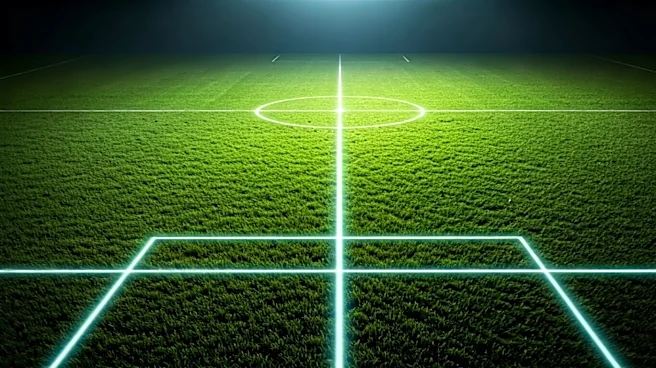
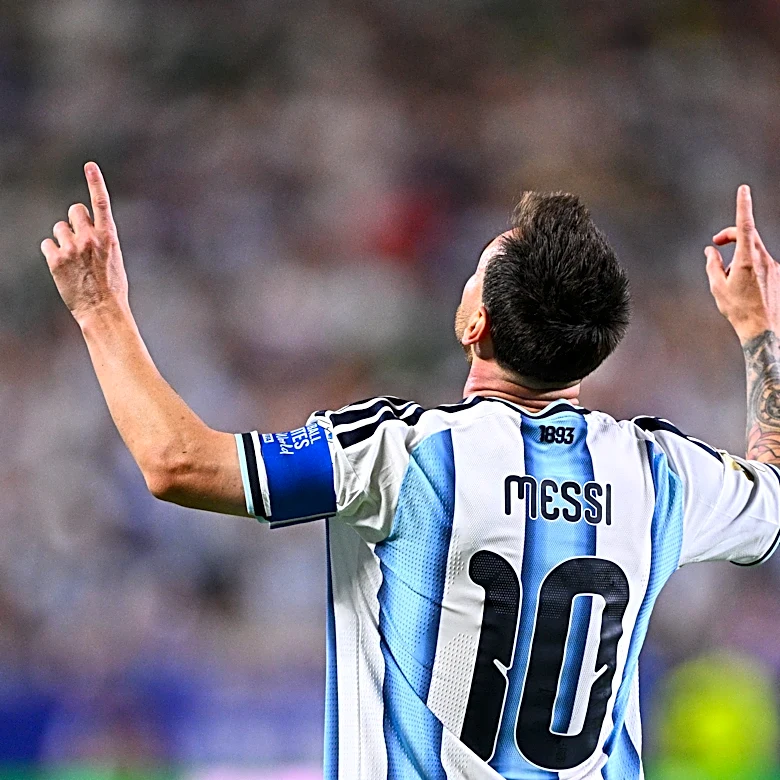
On a soccer pitch, the most valuable territory isn't just directly in front of the goal. The real magic happens in two key areas that modern coaches are obsessed with: 'Zone 14' and the 'half-spaces.' 'Zone 14' is the rectangular area just outside the opponent's penalty box, right in the center. A study once found that a disproportionate number of assists leading to goals come from this spot. It’s the perfect launching pad for a defense-splitting pass or a long-range shot. Even more important are the 'half-spaces.' Imagine the field is divided into five vertical lanes. You have the two wide lanes (the wings), the central lane, and in between them, you have the two half-spaces. These channels offer the best of both worlds: they provide a better angle to the goal than the wings but offer more space and time than the congested center. Players like Kevin De Bruyne and Lionel Messi have built legendary careers by drifting into these pockets, receiving the ball, and turning to face the goal with multiple options available: shoot, pass wide, or slip a ball through to a striker. These are soccer’s money zones.
How Teams Seize Control
So, how do elite teams control these invisible but critical zones? It comes down to two phases of the game: with the ball and without it. With the ball, it’s about intelligent movement and quick passing. A team might 'overload' one side of the field, drawing defenders toward the ball like moths to a flame. This deliberate crowding is a setup. With a quick switch of play to the other side, a player finds himself wide open in the opposite half-space, ready to attack a now-disorganized defense. It’s a beautiful bait-and-switch, orchestrated to create a brief moment of chaos in the most dangerous area. Without the ball, it's about organized, ferocious pressure. The best modern teams don’t just fall back and defend. They engage in what's called a 'counter-press' or gegenpress. The moment they lose possession, the entire team swarms the opponent to win the ball back immediately, ideally within the half-space they just lost it in. The goal is to tackle the other team right when they're transitioning from defense to attack—their most vulnerable moment. Winning the ball back here is like a defensive player in basketball stealing an outlet pass for an easy dunk.
From Tactical Theory to Trophies
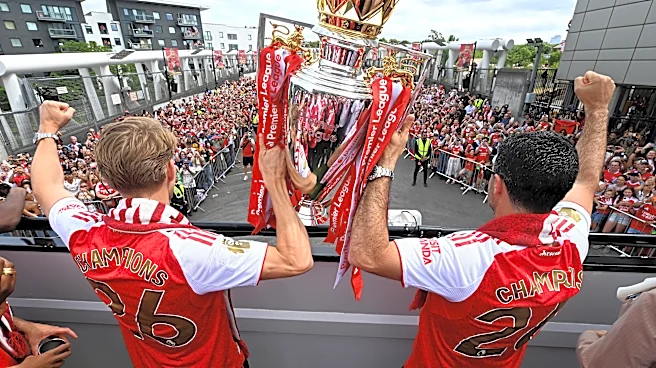
This isn't just abstract chalkboard talk; it’s the blueprint for modern soccer dominance. Pep Guardiola's teams—from Barcelona to Manchester City—are the masters of controlling space. They use relentless passing and positional discipline to pry open the half-spaces and dismantle defenses piece by piece. Their style isn't just about keeping the ball; it's about keeping it with the purpose of manipulating the opponent and creating openings in those key zones. Similarly, Jürgen Klopp's Liverpool teams rose to the top of European soccer powered by their suffocating counter-press. They turned defending into an attacking weapon, winning the ball high up the pitch in those valuable areas to generate instant, high-quality scoring chances against a scrambling defense. The philosophy is clear: why bother building an attack from your own goal when you can steal the ball 30 yards from theirs? Controlling the zone isn’t just a nice-to-have; it’s the engine behind the most successful teams of the last decade.