



The Simple Math of 'Cost-Per-Wear'
First, let's break down the core concept. 'Cost-per-wear' is a straightforward calculation: the price of a garment divided by the number of times you wear it. A $100 fast-fashion blazer you wear twice before it loses its shape or goes out of style has
a cost-per-wear of $50. In contrast, a $700 well-made jacket you wear 200 times over a decade has a cost-per-wear of just $3.50. The men peacocking at Pitti Uomo, with their seemingly extravagant bespoke suits and handmade shoes, aren’t just spending money; they’re making long-term investments.This framework reframes shopping from a hunt for bargains into a search for value. It encourages you to ask different questions. Instead of 'Is this on sale?' you start asking, 'Will I love this in five years?' 'Is the fabric durable?' and 'Can this be repaired?' It’s the ultimate argument for buying fewer, better things—a philosophy that’s not only more sustainable but also, paradoxically, more economical over time.
Why Alterations Are the Secret Ingredient
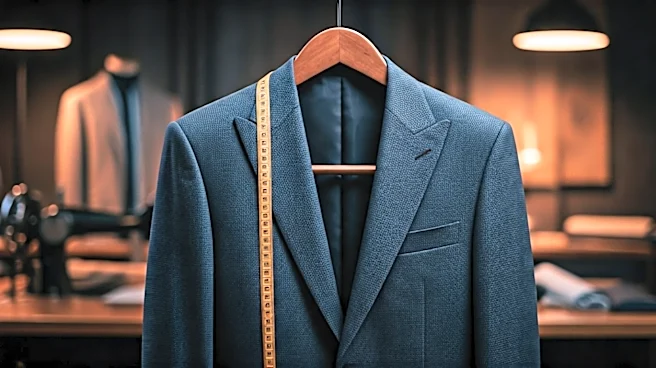
Here’s the catch that most people miss: a high-quality garment only reaches its low cost-per-wear potential if you actually *wear* it. And you won't wear something, no matter how beautiful or expensive, if it doesn't fit you perfectly. This is where expert alterations come in. An off-the-rack suit jacket from a great brand is a good start, but it was made for a standardized mannequin, not your unique body with its specific shoulder slope, arm length, and posture.Think of a great tailor as the key that unlocks the garment's true value. They don't just shorten a sleeve; they reshape the item to complement your physique. This is what the headline's slightly clunky phrase 'bespoke alterations' is getting at. It’s about applying a bespoke level of care and attention to an existing piece. A simple $50-$150 investment in tailoring can transform a good $500 jacket into something that looks and feels like it was made for you, ensuring you reach for it again and again.
Not All Tailoring Is Created Equal
When we talk about 'bespoke alterations,' we’re moving beyond a quick pant hem at the dry cleaner. We’re talking about a craftsman who understands garment construction. A skilled tailor can perform near-miracles that justify their fee. They can adjust the shoulders of a jacket—the most critical and difficult part of tailoring—to eliminate bunching. They can reshape the collar to prevent it from gaping at your neck. They can taper a shirt through the torso for a clean line or add darts to remove excess fabric from the back.These structural changes are what separate an 'okay' fit from a perfect one. While a simple hem might cost $20, reshaping the shoulders and torso of a jacket could run you $100 or more. It sounds like a lot, but when you consider it’s the final step in perfecting a piece you’ll own for years, the cost becomes part of the initial investment. You’re not just paying for a service; you’re paying for the expertise that makes the cost-per-wear math work in your favor.
The Unspoken Return on Investment: Confidence
The final piece of the puzzle isn't financial at all. It's about how a perfectly fitted garment makes you feel. When your jacket sits cleanly on your shoulders and your trousers have the perfect break, you stand a little taller. You move with more confidence. You stop fidgeting with your sleeves or worrying about fabric pulling in the wrong places. This psychological boost is an invaluable part of the 'wear' in cost-per-wear.That feeling of being perfectly put-together is what radiates from the best-dressed men at Pitti Uomo. It isn’t about wearing the most expensive label; it’s about wearing your clothes with an air of absolute comfort and ownership. That comes from fit. By investing in alterations, you’re not just buying a better-looking garment—you're investing in your own confidence, which pays dividends in every room you walk into.