









The Jordan Blueprint
The 2020 documentary series “The Last Dance” did more than just retell the story of the 1990s Chicago Bulls dynasty; it created a cultural shorthand for the end of an era. The series focused on Michael Jordan's 1997-98 season, framing it as a final, defiant
push for glory. A core element of that story was Jordan's relentless drive and how he physically willed himself and his team to one more title. We saw the exhaustion, the ice packs, and the sheer force of will required to perform at that level. This cemented the idea in the public consciousness: the final chapter isn't just about skill, but about the physical cost of greatness.
Defying Father Time
At its heart, the focus on late-career fitness is a story about humanity's oldest battle: the fight against time. For athletes, whose careers are defined by physical prowess, this battle is especially poignant. Seeing a champion refuse to succumb to age is a powerful narrative. Tom Brady is perhaps the modern poster child for this. His career longevity, playing at an elite level into his mid-40s, became as much a part of his legacy as his Super Bowl rings. His highly publicized TB12 Method, focusing on “muscle pliability,” specific nutrition, and intense recovery, wasn't just a training program; it was a storyline. It framed him as a pioneer who was actively beating the aging process, turning his body into a science experiment for sustained peak performance.
The Million-Dollar Body
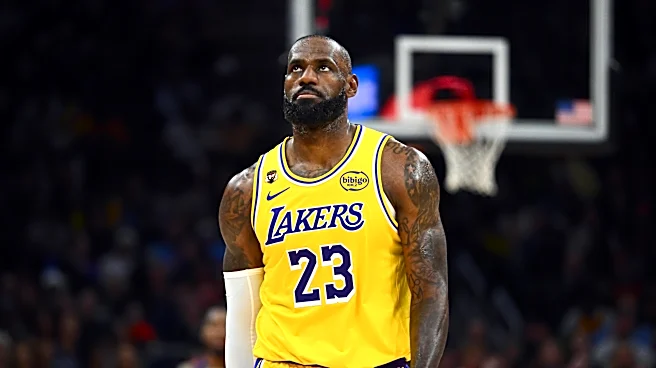
For today's elite athletes, longevity is no accident—it's an investment. LeBron James is a prime example. Reports have circulated for years that he spends upwards of $1.5 million annually on his body. This budget covers everything from personal chefs and trainers to cutting-edge recovery technology like cryotherapy and hyperbaric chambers. This level of spending transforms an athlete’s body from a natural gift into a meticulously maintained machine. The narrative appeal is obvious: it quantifies dedication. It shows that staying at the top requires not just talent, but an extraordinary, seven-figure commitment to staving off physical decline. It’s a clear signal that the athlete is leaving nothing to chance in their final pursuit of glory.
Vulnerability Makes the Story Better
A hero without vulnerability isn't very interesting. Focusing on an aging athlete’s fitness introduces a crucial element of suspense and relatability. We know their body is more prone to injury and slower to recover. When Serena Williams made her final runs at major tournaments, the conversation often centered on her health and conditioning. After giving birth and navigating injuries, her ability to compete at all was a testament to her dedication. Every win felt more significant because it was earned not just against her opponent, but against her own body's limits. This struggle makes the potential triumph sweeter and the potential failure more tragic, creating the high stakes that great stories are made of. When Williams announced she was “evolving away from tennis,” it was after a career defined by overcoming physical and societal obstacles.
The Last Available Edge
When an athlete gets older, they can no longer rely on the explosive, raw athleticism of their youth. Speed diminishes, and recovery takes longer. So, where do they find an edge? The answer is in discipline. Meticulous fitness, diet, and recovery become the final frontiers of competitive advantage. It's the one variable they can still control completely. The narrative of an athlete’s obsessive late-career fitness regimen is a story of wisdom replacing youthful talent. They can’t jump higher, so they train smarter. They can’t recover as fast, so they invest in every possible therapeutic method. This obsession with physical maintenance is the ultimate proof that their competitive fire still burns, even as their physical prime fades.