


The Core Debate: Consistency vs. Adaptation
The fundamental disagreement among skincare experts often boils down to one question: is it better to maintain your exact at-home routine for consistency, or should you adapt to your new environment? One school of thought argues that travel is not the
time to experiment. Sticking to familiar products minimizes the risk of a bad reaction or breakout when your skin is already stressed. The other side contends that a routine that works in a dry, cold climate may be too heavy for a humid, tropical one, and vice versa. These experts advocate for adjusting your products, like switching to a lighter moisturizer in a humid place or a richer cream for a dry destination, to match your skin's immediate needs.
The Packing Puzzle: Minimalist vs. Maximalist
How much is too much to pack? Some dermatologists champion a minimalist approach, advising travelers to strip their routine down to the essentials: a gentle cleanser, a moisturizer, and a broad-spectrum sunscreen. This saves space and simplifies your routine when you’d rather be exploring. However, other experts argue that if your skin is accustomed to a multi-step routine with serums, toners, and treatments, abruptly stopping could disrupt its balance. They suggest decanting your full routine into travel-sized containers to maintain stability. The length of your trip can also be a deciding factor; a weekend away might only require the basics, while a longer vacation could justify bringing more of your go-to products.
The Climate Conundrum: Should You Switch Products?
Changing climates is a major stressor for skin. The dry, recycled air on an airplane can leave skin dehydrated, which is why many dermatologists recommend applying a rich moisturizer before and during a flight. But what about when you land? If you're traveling from a humid city to a dry desert, some experts advise switching to a more heavy-duty moisturizer with ingredients like ceramides or hyaluronic acid to prevent water loss. Conversely, if you're headed to a hot, humid destination, a lightweight, non-comedogenic formula is often recommended to avoid clogged pores. The point of disagreement isn't whether climate matters—it's whether your core products are versatile enough or if you need a separate travel-specific kit.
The Actives Argument: To Pause or Not to Pause?
Here's a significant point of contention: what to do with powerful active ingredients like retinoids (retinol, tretinoin) and exfoliating acids (AHAs, BHAs). Many dermatologists advise pausing these products, especially if you're heading to a sunny destination. These ingredients increase sun sensitivity, making your skin more prone to damage. The risk of a burn or irritation might not be worth it on vacation. Other dermatologists take a more nuanced view, suggesting that if your skin is well-acclimated to a retinoid, you can continue using it, provided you are extremely diligent with high-SPF sunscreen. This disagreement often comes down to an expert’s risk tolerance and their trust in a patient’s sun safety habits.
The One Thing They Agree On
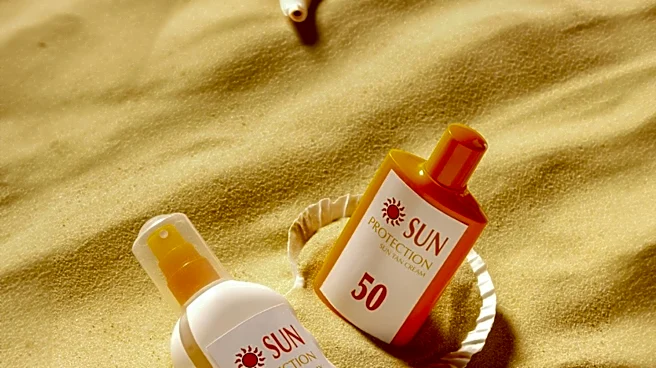
Despite the differing philosophies, there is near-universal agreement on two fronts. First, never rely on hotel toiletries. These products are often formulated with high levels of fragrance and harsh detergents that can irritate the skin and trigger allergic reactions or dryness. The second point of consensus is the non-negotiable importance of sunscreen. Regardless of the climate, destination, or length of your trip, every dermatologist insists on applying a broad-spectrum sunscreen with an SPF of 30 or higher every single day. UV rays can penetrate airplane and car windows, making sun protection essential even during transit.