





A Laboratory for Identity
At its heart, cosplay is a powerful form of self-expression and identity exploration. For many, daily life comes with a prescribed uniform and set of social expectations. Cosplay offers a temporary, yet profound, opportunity to step outside of that. By
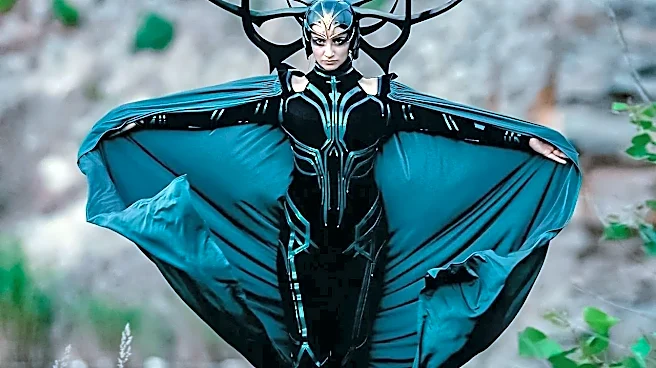
embodying a character they admire—whether for their strength, intelligence, or rebellious spirit—individuals can explore facets of their own personality they might not otherwise feel comfortable showing. This isn't just about playing pretend; it's a concept psychologists call "enclothed cognition." Research shows that the clothes we wear can systematically influence our thoughts and behaviors. When someone dons a superhero's cape or a villain's armor, they aren't just wearing a costume; they are physically embodying its symbolic meaning. This can lead to a tangible boost in confidence, assertiveness, or courage, allowing a shy person to become outgoing or a reserved individual to feel powerful, if only for a day.
The Search for Community
One of the most significant psychological drivers behind cosplay is the fundamental human need for belonging. Conventions like NYCC act as massive gathering points for people with shared passions, creating an instant sense of community that can be hard to find elsewhere. For those who may feel like outsiders in their daily lives due to their niche interests, walking into a space where thousands of people not only understand their passion but celebrate it is a deeply affirming experience. Striking up a conversation with a stranger is easy when you're both dressed as characters from the same universe. This shared language of fandom breaks down social barriers and fosters genuine connections, turning crowds into communities and forging friendships that often last long after the convention ends.
Escapism as a Healthy Outlet
The word "escapism" often carries a negative connotation, but in the context of cosplay, it serves as a healthy and vital psychological release. Life can be stressful and demanding, and immersing oneself in a fictional world provides a much-needed respite from real-world pressures. By temporarily becoming someone else, cosplayers can set aside their daily anxieties and responsibilities. This act of stepping into a fantasy world is a form of stress relief that allows for mental and emotional recharging. It provides a safe space to process emotions and engage in play, an activity that is crucial for mental well-being but often neglected in adulthood. Rather than being a flight from reality, it is a strategic retreat that can leave a person better equipped to handle it upon their return.
The Confidence of Creation
Beyond the social and emotional aspects, cosplay is also an act of immense creativity and craftsmanship that brings its own psychological rewards. Many cosplayers spend hundreds of hours designing, sewing, sculpting, and engineering their costumes. This process fosters problem-solving skills and provides a tangible sense of accomplishment. Seeing a project through from a mere idea to a fully realized, wearable piece of art is incredibly fulfilling and a major source of pride. This pride translates directly into confidence. When someone compliments a costume at a convention, they are not just admiring the character; they are recognizing the skill, dedication, and passion of the person wearing it. This validation from peers can be a powerful boost to self-esteem, reinforcing the idea that one's hard work is seen and appreciated.