

The Toughest Gig at the Festival
Playing an early slot at a major music festival is a strange, high-pressure gig. Your audience is a fraction of the size it will be for the headliner, and they’re distracted. They’re finding friends, scoping out food trucks, and conserving energy for the ten
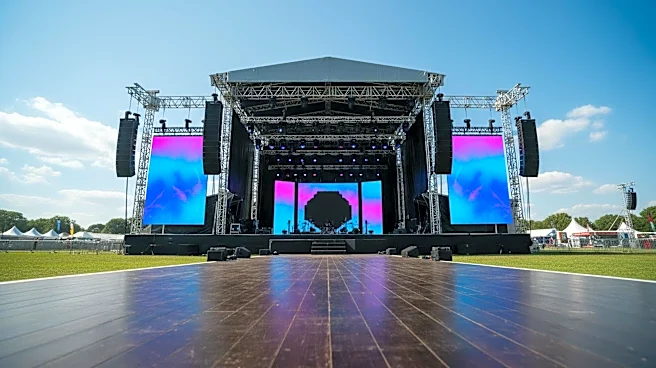
hours ahead. Unlike a club show where everyone bought a ticket specifically to see you, this crowd is a jury of curious, often indifferent, strangers. The sound from another stage might bleed into yours. The sheer scale of the outdoor space can swallow an unprepared band’s energy whole. Psychologically, people at festivals gravitate toward established energy, a phenomenon known as social proof. If a crowd is forming, others will join. For an opener, this means you’re not just performing; you’re fighting to create a gravitational pull out of thin air.
The Ten-Minute Handshake
This is where the "first three songs" rule comes into play. It’s less a rule and more a brutal reality of the festival attention economy. With a short 30 or 45-minute set, there’s no time for a slow burn. That opening sequence is your handshake, your resume, and your sales pitch all rolled into one. Song One is The Hook. It needs to be immediate, energetic, and sonically assertive. It’s the song that makes someone look up from their phone or pause their conversation. It has to cut through the chatter and announce your arrival with confidence. A strong, upbeat opening is a common strategy for a reason: it grabs attention. Song Two is The Proof. Okay, you got their attention. Now what? The second track needs to prove the first wasn't a fluke. It should solidify your band’s identity and showcase your strengths, whether it's a powerful vocalist, a killer riff, or an infectious groove. This song tells the audience, “This is who we are, and we’re worth your time.” Song Three is The Conversion. This is the track that turns a passive listener into an active fan. It’s often the catchiest, most memorable song of the opening trio. By the end of this song, the band hopes to have transformed a sparse field of seated spectators into a genuine, engaged crowd. People who were just passing by on their way to Wine Lands might now stick around for the rest of the set.
Winning the Battle for Attention
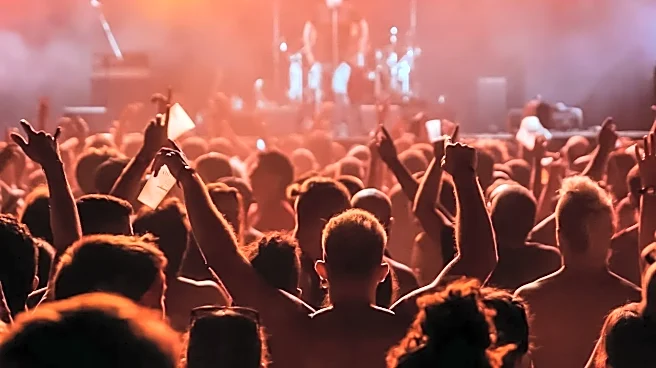
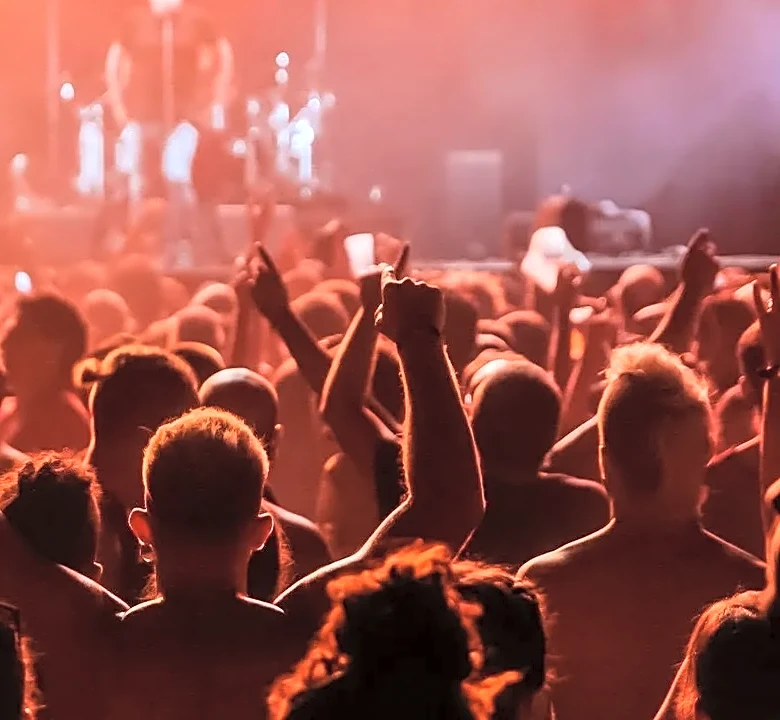
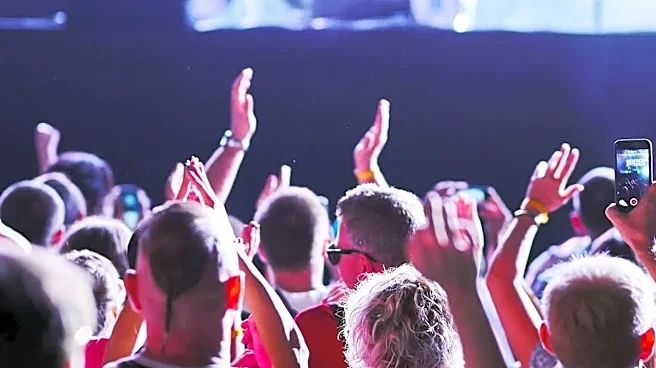
When a band nails this opening, you can feel the shift in real time. The space in front of the stage fills up. People put down their blankets and start to nod along, then dance. The collective energy changes from passive observation to active participation. Emotions are contagious in crowds; a few people cheering and dancing can quickly spread. An artist who successfully navigates this can earn a legion of new fans who will remember them long after the festival ends. But when it fails, the vibe is unmistakable. A low-energy start, technical difficulties, or songs that are too slow or complex for a festival setting can cause that initial flicker of interest to fizzle out. The crowd remains sparse, the applause is polite but unenthusiastic, and the band ends up as little more than background music for early-arriving attendees. They’ve lost the battle for attention before it truly began.
More Than Just the Music
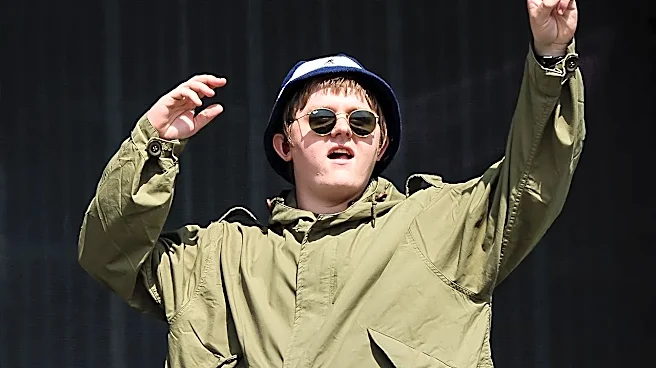
Of course, song choice isn't everything. Stage presence is magnified on a massive festival stage. An opener needs to project energy and confidence to the furthest person in the field, even if that person is 100 yards away. Engaging with the audience, even a small one, shows you’re not intimidated by the setting. Artists who can make a half-empty field feel like an intimate party are the ones who succeed. Ultimately, that opening slot is a microcosm of the music industry itself: a brief, high-stakes opportunity to make an impression on a distracted world. The bands who understand this don’t just play their first three songs—they deploy them with strategic precision.