



The New Battlefield of Taste
Not long ago, a red carpet fashion risk was easy to define: a shockingly high slit, a bizarre accessory, or a silhouette that defied gravity. The verdict was usually swift and delivered by a handful of powerful fashion critics. Today, that landscape has
fractured. The 2026 Toronto International Film Festival, like recent Emmys and other major events, showcases a new reality: the most interesting fashion isn't about being objectively 'good' or 'bad,' but about who is watching. The same outfit can be hailed as a stroke of genius on TikTok while being dismissed as a mess by traditional media commentators. The very definition of risk has changed. It's less about old-school shock value and more about defying an increasingly specific set of generational expectations.
Gen Z: Authenticity Is the New Glamour
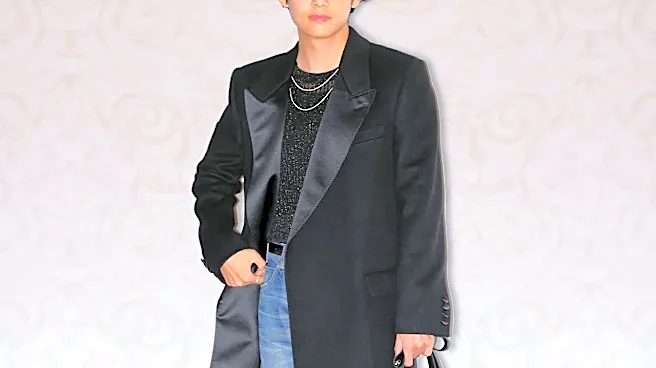
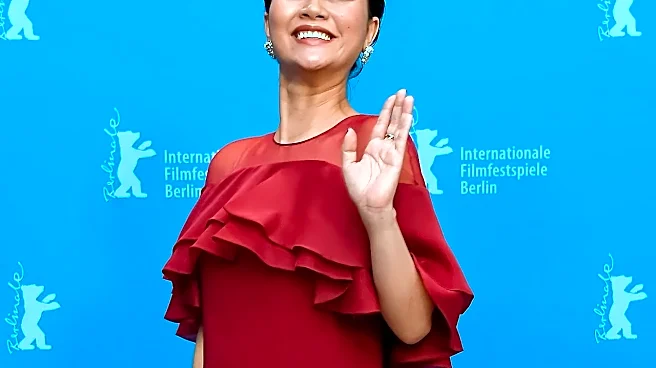
For audiences born after 1997, the ultimate currency is authenticity. This generation, raised on social media feeds that prize the genuine over the polished, views fashion through a different lens. They are drawn to celebrity looks that feel personal, unconventional, and even a little bit strange. At TIFF, this might translate to praise for an actor who pairs a couture gown with unexpected, chunky footwear or who wears a relaxed, oversized silhouette. For example, a look like Lisa's two-piece Louis Vuitton set with its edgy gloves and choker, or Dylan O'Brien's casual leather-jacket-and-unbuttoned-shirt combo, resonates with a Gen Z audience that rejects stiffness. They see a person expressing themselves, not just wearing a costume. Overly polished, traditionally 'perfect' looks can feel manufactured or boring to them, triggering skepticism rather than admiration.
Millennials: The Pull of Polished Nostalgia
Millennials, who grew up watching the high-gloss red carpets of the '90s and 2000s, often have a different standard. Their formative years were defined by iconic, capital-F Fashion moments—think classic Hollywood glamour with a modern twist. For them, a successful look often involves polish, perfect tailoring, and a nod to established elegance. An outfit that a Gen Z viewer sees as authentic, a Millennial might interpret as sloppy or unfinished. They may be more impressed by the classicism of Naomi Watts in a Celine gown or the drama of Kate Mara's Dolce & Gabbana two-piece. While they can appreciate a risk, it's often through the lens of established designers pushing boundaries in a recognizable way, rather than a complete rejection of glamour itself. Their idea of a fashion risk is often more structured, playing with established rules rather than throwing them out entirely.
Gen X: The Seen-It-All Shrug
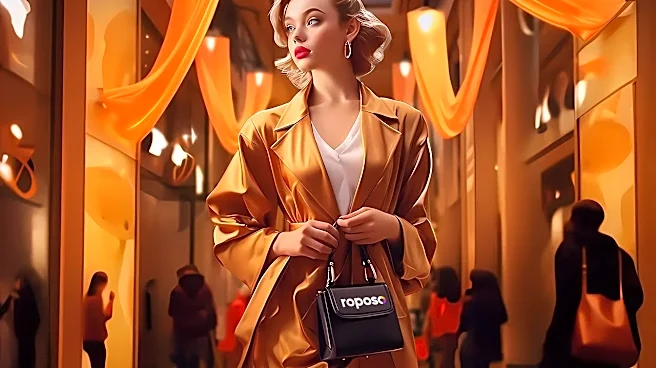
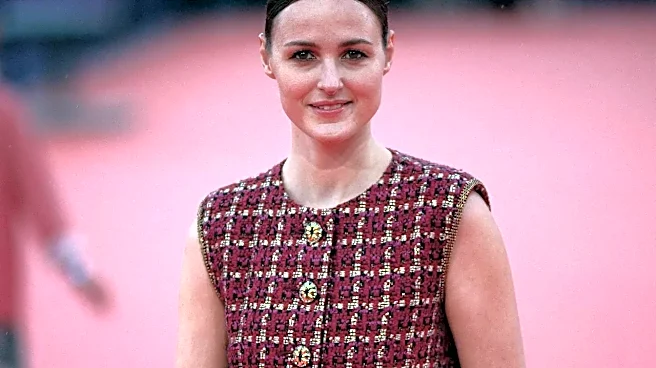
Then there’s Gen X, the generation that came of age with grunge, indie cinema, and a healthy dose of cynicism. Having witnessed fashion cycles come and go, from '80s power shoulders to '90s minimalism, their reaction to today's fashion risks is often a knowing, seen-it-all shrug. Many of the trends that feel radical to younger generations—gender-fluid tailoring, deconstructed pieces, punk-inspired details—are reminiscent of styles they saw decades ago. They are less likely to be shocked and more interested in the quality of the execution. Their approval is often reserved for true, undeniable originality or for a classic look executed with masterful confidence. A star like Léa Seydoux channeling modern-day Marilyn Monroe in Louis Vuitton might earn their respect for its timeless elegance, while a chaotic, trend-heavy look might be dismissed as trying too hard.