





First, Understand the Cause
Before you can treat it, you need to know what you’re up against. For most people, dandruff isn't just a simple case of a dry scalp. The primary culprit is often a microscopic, yeast-like fungus called Malassezia globosa that lives on nearly all adult
scalps. It feeds on scalp oils, and for many people, the byproduct it leaves behind causes irritation. This irritation signals your body to speed up skin cell turnover, leading to the tell-tale flakes and itchiness. Thinking it's just dryness and skipping washes can actually make it worse by allowing more oil and skin cells to build up.
Choose Your Active Ingredient
Not all dandruff shampoos are created equal. The secret to success lies in the active ingredient listed on the bottle. Common over-the-counter options each work differently. Zinc pyrithione is a go-to for its gentle antifungal and antibacterial properties. Selenium sulfide also targets the fungus but can be stronger. Salicylic acid works by exfoliating, helping to scrub away dead skin cells and scale. Ketoconazole is a powerful antifungal that tackles the yeast directly. If one type of shampoo doesn't seem to work after a few weeks, don't give up; try switching to a product with a different active ingredient.
The Right Way to Wash Your Scalp
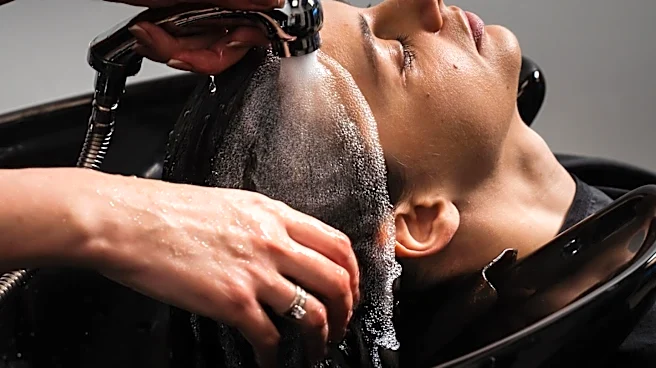
This is where most people go wrong. A dandruff shampoo is a scalp treatment, not just a hair cleanser. To use it correctly, first wet your hair and apply the shampoo directly to your scalp. Use your fingertips—never your nails—to gently massage it in for a minute or two. Then, and this is the crucial part, let it sit. You need to leave the shampoo on your scalp for at least five minutes to give the active ingredients time to work before rinsing thoroughly. If you rinse it out too quickly, you're washing the medicine down the drain before it can have any effect.
Frequency and Consistency Matter Most
During a flare-up, you might need to use a medicated shampoo two to three times a week. Some dermatologists even suggest daily use initially to get things under control. Once your symptoms improve, you can’t just stop. Dandruff is often a chronic condition that requires maintenance. To prevent it from returning, continue using your dandruff shampoo at least once or twice a week. Some experts recommend rotating between two or three shampoos with different active ingredients to prevent your scalp from getting used to one formula.
Support Your Scalp with Good Habits
What you do outside the shower counts, too. Managing stress can help, as stress is known to trigger or worsen dandruff. Be mindful of hair styling products like gels and sprays, which can build up on the scalp and contribute to oiliness. Some also find that getting a bit of sunlight can be beneficial, though it's important not to overdo it. On days you aren't using your medicated shampoo, wash with a gentle, non-medicated shampoo to keep your scalp clean without causing irritation. When using a conditioner, focus on applying it to the ends of your hair, avoiding the scalp so you don't dilute the effects of the treatment.
When to See a Dermatologist
Over-the-counter treatments are very effective for most people, but they aren't a universal solution. It’s time to consult a board-certified dermatologist if you've been consistently using different OTC shampoos for several weeks with no improvement. You should also make an appointment if your scalp is extremely itchy, red, swollen, or painful. A doctor can determine if there's an underlying medical condition and can prescribe stronger treatments, such as prescription-strength shampoos, lotions, or steroid foams to finally get the condition under control.