


The Chilling Power of Stillness
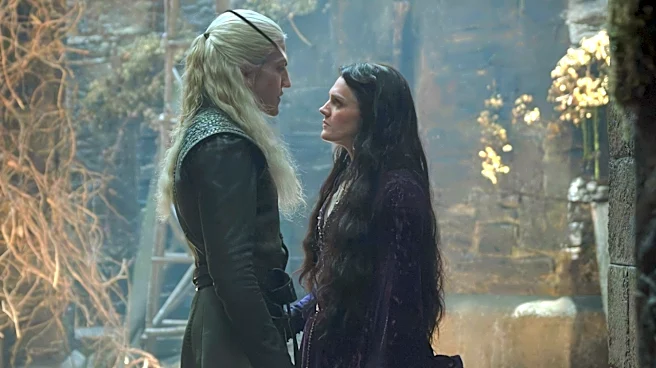
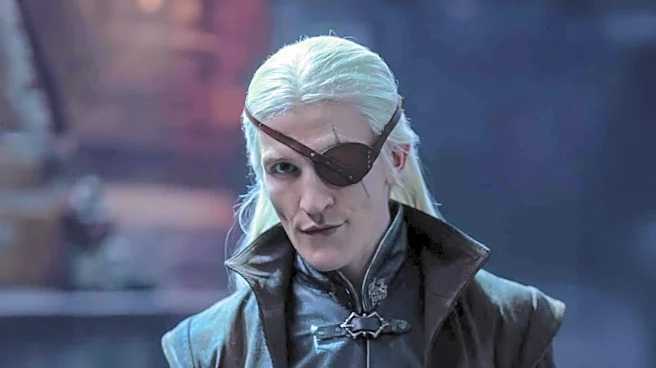
Much of what makes Ewan Mitchell’s Aemond so terrifying isn’t what he does, but what he doesn’t do. While other characters rage and scheme openly, Aemond often commands a scene in near silence. With a single, piercing stare from his good eye, he radiates
more menace than a king’s decree. It’s a performance built on coiled tension and unnerving stillness. Viewers have pointed to scenes where his quiet presence dominates the room, turning a family dinner into a minefield of unspoken threats. Mitchell plays him not as a loudmouthed brute, but as a predator who knows he doesn't need to roar to be the most dangerous person in the room. This quiet intensity makes his eventual explosions of violence all the more shocking and impactful, proving his threat is calculated and premeditated.
The Wounded Boy Beneath the Armor
Aemond could have easily been a one-note villain, a simple sadist with a sapphire eye. But Mitchell imbues him with a tragic depth that complicates the audience's relationship with him. Flashbacks to his childhood—being bullied, losing an eye, and desperately seeking validation—are always simmering just beneath the surface of the warrior prince. Mitchell allows fleeting moments of this vulnerability to pierce through the cold exterior, particularly in his fraught relationships with his mother, Alicent, and his brother, Aegon. He is a man shaped by trauma, driven by the desire to never be seen as weak again. This flicker of the wounded boy doesn't excuse his monstrous actions, but it does make them tragically understandable, forcing viewers to wrestle with a sliver of sympathy for a character they know they should despise.
The Problem with a Perfect Villain
Herein lies the risk for the show's creators. When an actor makes a villain this compelling, it creates a powerful narrative imbalance. Aemond, with his unique blend of menace, tragedy, and undeniable charisma, has become the magnetic center of the show for many viewers. Fan communities and critics alike have praised Mitchell's performance as a standout, noting he brings a dignity and complexity to the character that makes him weirdly likable even at his most cruel. This presents a genuine challenge for the finale. How do you write a satisfying conclusion when the character many are most invested in is on the wrong side of the war? His defeat could feel hollow, while his victory would be a dark, unsettling triumph. The show's narrative success now hangs precariously on how it handles the audience's complicated allegiance to its most captivating antagonist.
What It All Means for the Finale
Because of Mitchell’s layered portrayal, the finale is no longer just a question of whether the Greens or the Blacks will win the war. It has become a referendum on Aemond himself. He is not merely an obstacle for the heroes to overcome; he is a force of nature whose actions have dictated the course of the entire conflict. Every strategic decision and every personal loss feels magnified when it orbits him. The show has successfully positioned him as the rival to Daemon Targaryen, creating an eagerly anticipated and epic confrontation. The immense weight of audience expectation rests on how his arc is resolved. The creators must deliver a conclusion that feels earned for the character Mitchell has so brilliantly brought to life, ensuring the story’s most fascinating player gets an ending worthy of his impact.