


The First Brushstroke
Think of the camera not as a machine that simply records, but as the first and most fundamental artistic tool. It’s the painter’s brush, the sculptor’s chisel. The choice dictates the texture of the world you’re about to enter. Will it be impossibly sharp
and clean, inviting you to see every pore and detail? Or will it be soft, grainy, and textured, wrapping the story in a blanket of nostalgia or unease? More than just resolution, this decision establishes the visual language of the film. It sets the rules for how light will be captured, how colors will render, and how the audience will subconsciously perceive the scale and intimacy of the story unfolding on screen. At a venue like Venice, where cinematic legacy is paramount, this foundational choice is everything.
Large Format's Epic Feeling
When a filmmaker wants to create a truly immersive, 'lean-in' visual experience, they often turn to large-format digital cameras like the ARRI Alexa 65. This camera has a sensor significantly larger than standard cinema cameras, and that extra real estate has a profound effect. It creates an image with a wider field of view and a shallower depth of field, making backgrounds fall away into a beautiful blur and giving subjects a near-three-dimensional quality. The result is a clean, majestic look that feels, for lack of a better word, monumental. It's a popular choice for films aiming for breathtaking scope, capturing landscapes and faces with a painterly grandeur. The technology gives cinematographers a massive canvas, allowing them to craft images that feel larger than life and demand to be seen on the biggest screen possible.
The Intimacy of Film Grain
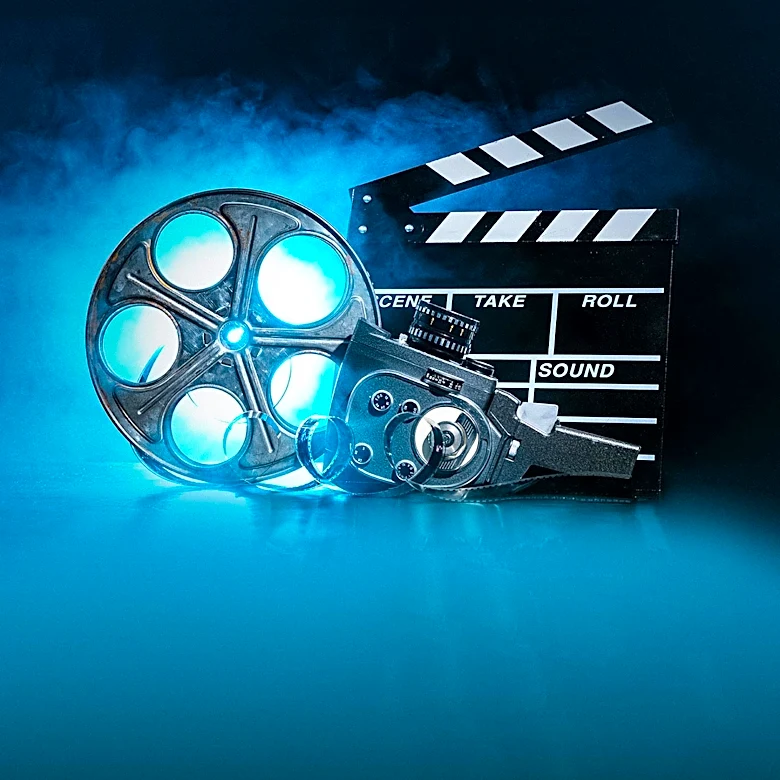
On the opposite end of the spectrum is the deliberate choice to shoot on analog film, such as 16mm or 35mm. In an age of pristine digital clarity, opting for film is a distinct stylistic statement. 16mm, originally launched by Kodak in 1923, offers a tangible texture that digital can only imitate. The visible grain, the subtle flicker, and the way it renders color and skin tones create an organic, living quality. This format is often chosen not in spite of its imperfections, but because of them. Directors use it to evoke a specific era, create a sense of documentary-style realism, or foster a raw intimacy that cuts through the gloss of modern filmmaking. It forces a certain discipline on set and embraces a degree of unpredictability, resulting in an image that feels handcrafted and emotionally immediate.
Digital as the Ultimate Chameleon
Between the painterly quality of large format and the textured grain of film lies the modern workhorse: the standard high-end digital cinema camera. Brands like ARRI have become industry leaders because they offer incredible reliability and an image that beautifully straddles the line between digital precision and cinematic warmth. The ARRI Alexa, for instance, is renowned for its dynamic range and a pleasing, natural roll-off in the highlights, which helps it avoid the harsh, sterile look of early digital video. Choosing a camera like this is often about versatility. It provides a pristine, high-quality negative that can be pushed and pulled in any direction during post-production. A cinematographer can aim for hyper-realism, a sleek and futuristic aesthetic, or a heavily stylized color grade, all built upon a clean and dependable foundation.