



The Ultimate Job Interview
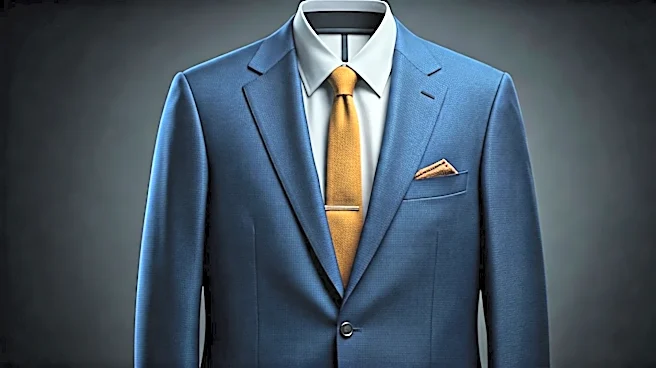
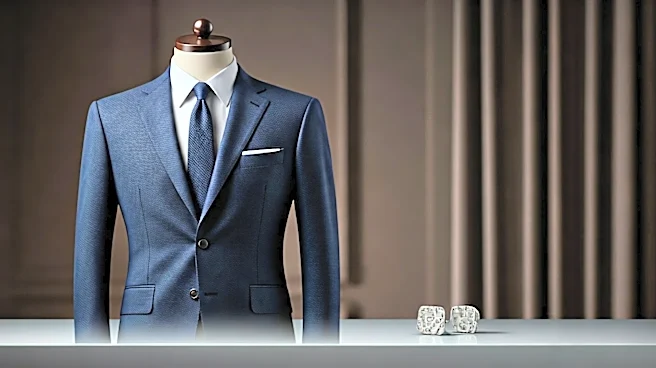
Forget a quiet meeting in a corner office. The NBA Draft is the most public job interview in the world. For these young athletes, the suit is the uniform for their first day as a professional. It signals a fundamental shift in identity—a movement from
amateur to multimillion-dollar asset. The moment a player walks across the stage to shake the commissioner's hand, they are no longer just a college standout; they are a representative of a franchise, a city, and a global brand. The suit is the armor for this transformation. A player like LeBron James, showing up to the 2003 draft in an all-white, oversized suit, wasn't just making a fashion statement. He was presenting himself as a savior, a clean slate, and a king-in-waiting. The outfit was a visual coronation before he ever played a single professional minute.
The First Brand Partnership
In the modern NBA, a player’s value isn’t just determined by their stats on the court. Off-court branding, social media presence, and marketability are crucial components of a successful career. The draft-night suit is the first, and perhaps most personal, brand partnership a player undertakes—a partnership with themselves. Stylists and designers are brought in months in advance to craft a look that tells a story. Is the player a quiet professional? A flashy star? A fashion-forward trendsetter? Players like Shai Gilgeous-Alexander and Jordan Clarkson have built reputations as league style icons, and that journey often begins with a deliberate choice on draft night. The suit becomes a strategic tool to move from being just a basketball player to being a marketable personality, opening doors for sponsorships and a public persona that can outlast their playing days.
Carrying Home on Their Backs
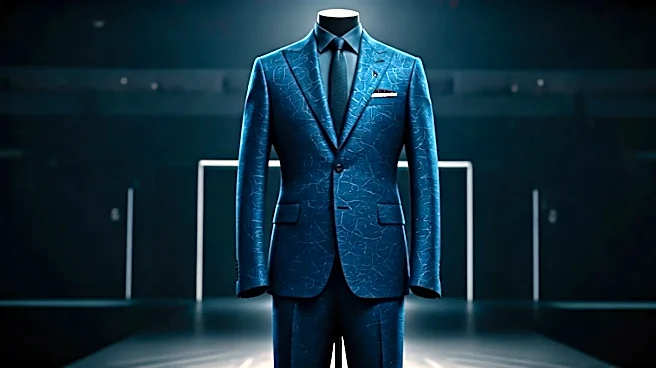
While the exterior of the suit is for the cameras, the interior is often for the player. The most powerful movement is often the one that brings the past into the future. Many players use the custom lining of their jackets to pay homage to their journey. We've seen suit linings emblazoned with photos of family members, logos of hometowns, or flags representing their heritage. In 2013, Trey Burke’s jacket lining featured a collage of pictures from his childhood and college career at Michigan. He was literally wearing his history. This practice is a poignant reminder that even as these young men move into a world of fame and fortune, they are carrying their communities, their sacrifices, and their support systems with them. It’s a quiet, personal statement that says, “I didn’t get here alone.”
Starting a Conversation
Sometimes, the movement is about disruption. Not every suit is designed to be elegant or understated. Some are designed to be loud, to challenge norms, and to continue a narrative. Jalen Rose’s 1994 draft suit, with its bold red fabric and thick white pinstripes, is the stuff of legend. But it wasn't just a wild choice; it was a continuation of the Michigan Fab Five’s cultural defiance. They had changed the look of college basketball with their baggy shorts and black socks, and Rose’s suit was a clear signal that he wasn't abandoning that identity for the pros. More recently, players have used their attire to make subtle social or cultural statements, using their one big moment in the spotlight to start a conversation that goes beyond basketball. It’s a power move, using fashion as a megaphone before they’ve even signed their contract.