




The Return of Understated Texture
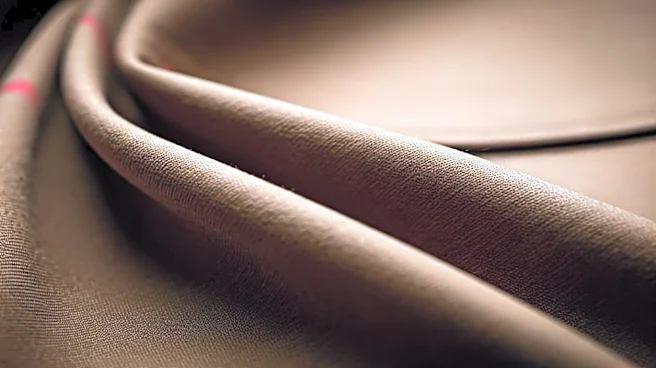
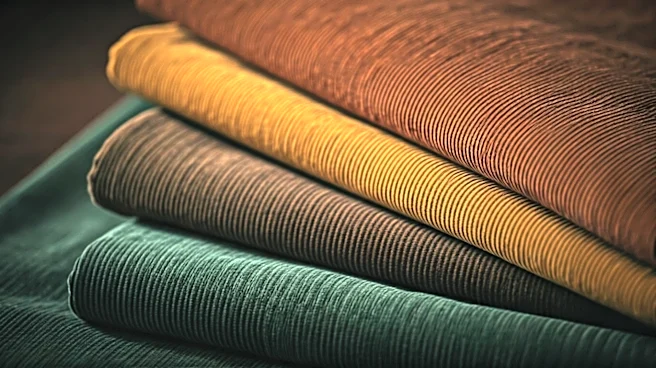
London Fashion Week has always had a knack for balancing punkish rebellion with heritage polish. This season, the city’s designers leaned into the latter, championing a fabric that feels both nostalgic and refreshingly grounded. Corduroy, with its signature
ribbed “wales,” appeared not as a shouty, must-have-now item, but as a considered choice for clothes meant to be lived in. It’s a textile that whispers rather than screams. In a world saturated with fleeting micro-trends and hyper-synthetic materials, the sturdy, velvety feel of corduroy offers a kind of sartorial comfort food. It’s the fashion equivalent of a worn-in armchair or a favorite book—reliable, comforting, and imbued with character.
On the Runway: From Workwear to Elegance
The revival wasn't limited to a single aesthetic. At Burberry, under the creative direction of Daniel Lee, corduroy was woven into a vision of modern Britishness. Think utilitarian field jackets and trousers in deep, earthy tones like moss green and brown, evoking the English countryside without feeling costumey. These weren’t your grandfather's fusty cords; they were cut with a contemporary edge, paired with chunky boots and oversized scarves. Elsewhere, designers like Eudon Choi offered a more refined take, showing how the fabric could be tailored into elegant suiting. Imagine a sharp, wide-wale corduroy blazer that feels powerful enough for the boardroom but soft enough for a weekend brunch. The versatility was the point: this wasn't about a singular retro look, but about integrating a beloved texture into every part of the modern wardrobe, from rugged outerwear to sophisticated separates.
More Than Just Seventies Nostalgia
It’s easy to dismiss corduroy’s return as just another spin on the relentless 70s nostalgia cycle. Sure, the fabric instantly conjures images of Ali MacGraw in *Love Story* or Robert Redford as an intrepid journalist. But its current appeal runs deeper. This renewed interest feels like a quiet rebellion against the slick, minimalist aesthetic that has dominated for years, and a pivot away from the disposability of fast fashion. Corduroy is durable. It ages well, gaining character with every wear. In this sense, it aligns perfectly with the growing consumer interest in longevity and sustainability. It’s a fabric that suggests intellect—the classic uniform of academics and artists—and a connection to the outdoors. It feels authentic and unpretentious in a way that high-shine leather or delicate silks often don’t. This isn’t just about looking backward; it's about valuing substance and tactile reality in an increasingly digital world.
How It Translates to the American Wardrobe
While London set the stage, corduroy has long been a staple of American style, making this trend particularly easy to adopt. It’s the backbone of East Coast prep, found in the blazers and trousers that define Ivy League style. It’s also deeply embedded in West Coast casual, from the surfer-adjacent corduroy shorts to the relaxed jackets perfect for a coastal chill. The new British take simply gives us fresh ways to think about it. Instead of a classic navy blazer, consider one in a rich caramel or olive. Swap your blue jeans for a pair of wide-leg corduroy trousers to instantly elevate a simple sweater and sneakers. The key is to treat it not as a novelty item but as a foundational texture. It plays well with others—denim, wool, silk—and adds a touch of visual interest without being overwhelming.