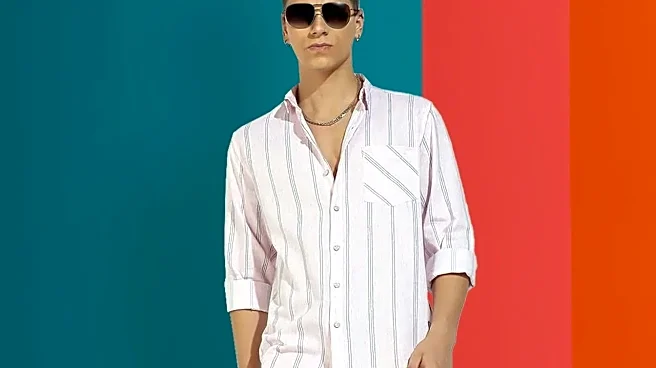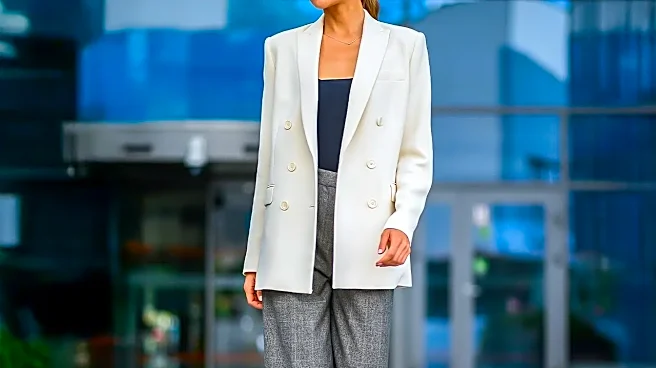

The humble drawstring, once confined to gym shorts and pajama bottoms, is staging a quiet coup in menswear. Teaming up with a blazer, this pairing challenges the supremacy of the traditional suit. But
is it a stylish evolution or a step too far?
The Rise of Sophisticated Comfort
Let's be honest: traditional tailored trousers aren't always your best friend after a long day or a big lunch. For years, men accepted a certain level of physical restriction as the cost of looking sharp. But the cultural shift toward more flexible work environments and a demand for clothes that feel as good as they look have changed the game. Enter the modern drawstring trouser. We’re not talking about baggy, fleece-lined sweatpants; these are tailored pants cut from premium fabrics like wool, linen, or cotton twill that just happen to feature a more forgiving waistband. They represent a new chapter in smart-casual style, one that prioritizes a feeling of ease without sacrificing an ounce of elegance.
When Drawstrings Win the Day
So, can they actually look better than suit pants? In the right context, absolutely. The strength of the drawstring-and-blazer combo lies in its effortless confidence. While a full suit conveys authority and tradition, pairing a blazer with well-chosen drawstring trousers projects a modern, relaxed sophistication. It says you understand the rules of tailoring but aren't bound by them. This makes it a superior choice for a variety of settings: creative offices, a smart dinner, a stylish weekend getaway, or for travel. The look replaces the potential stiffness of a suit with a tactile, approachable feel, showing you value comfort and contemporary style equally.
The Rules of Smart Pairing
Pulling off this look hinges on a few key principles. First, fabric is everything. Your trousers should be made from a material that reads as tailoring, not loungewear. Think tropical wool, flannel, corduroy, or a high-quality cotton-twill. Second is the cut. The ideal silhouette is a gentle taper or a clean straight leg that creates a sharp line, avoiding anything too baggy or, conversely, too skinny. The blazer itself should complement this relaxed feel; an unstructured jacket often works better than a heavily padded, formal one. Finally, pay attention to the details. A visible, chunky drawstring reads as sporty, while a hidden or discreet one feels more refined and pairs better with tailoring. What you wear underneath—a crisp t-shirt, a knit polo, or a fine-gauge sweater—completes the look, bridging the gap between formal and casual.
Know When to Stick with Tradition
Despite its versatility, the drawstring trouser isn't a universal replacement for the classic suit pant. There are still environments where tradition and formality are non-negotiable. For a conservative corporate boardroom, a top-tier law firm, or a black-tie-optional wedding, the structure and authority of a well-made suit remain unmatched. The goal isn't to eliminate the suit from your wardrobe, but to recognize that it is a specific tool for a specific job. Trying to push the boundaries in a setting that demands strict adherence to a formal dress code can come across as a misstep rather than a style statement.