




Focus on a Marquee Matchup
Instead of trying to keep track of all 20+ major categories, zero in on one or two key showdowns. This year, the stage is set for some epic battles. In the drama realm, HBO's medical behemoth "The Pitt," which snagged a staggering 25 nominations, is facing
off against Apple TV+'s sleek, dystopian thriller "Pluribus," which landed 18. On the comedy side, the final season of HBO's beloved "Hacks" is up against a buzzy new challenger, Apple TV+'s horror-comedy "Widow's Bay." By focusing on the head-to-head narrative—the established champion versus the exciting newcomer—you give yourself a clear storyline to follow throughout the night. It transforms the ceremony from a long list of names into a compelling sports-like event. Who will win the heavyweight belt? That's a lot more exciting than trying to remember the plot of a show you've never seen.
Follow the People, Not the Plots
You may not have seen "Pluribus," but you probably know Rhea Seehorn from her years of being unjustly snubbed for "Better Call Saul." You might not have watched "Widow's Bay," but you may be a longtime fan of Matthew Rhys from "The Americans." Rooting for actors you admire is a fantastic way to stay invested. The Emmys are as much about celebrating careers and recognizing talent as they are about crowning the "best" show. This year's ceremony, hosted by "Law & Order: SVU" icon Mariska Hargitay, is a perfect example of that focus on persona. Tracking the potential triumphs of first-time nominees like Chase Infiniti for "The Testaments" or seasoned veterans like Seehorn provides a human-interest story that's often more compelling than the shows themselves.
Treat It Like a Cultural Weather Report
The Emmys are more than just an awards show; they're a snapshot of what Hollywood, and by extension, our culture, is valuing at this moment. You don't need to have seen every minute of "The Pitt" or "Hacks" to understand the trends. Notice how many nominations went to shows from streaming services like Apple TV+ and HBO versus traditional networks. Observe which types of stories are being rewarded: are they dark comedies, sprawling dramas, or contained limited series like "Beef" and "DTF St. Louis"? Watching the Emmys this way turns it into a fascinating analysis of the media landscape. The winners tell a story about where the industry is heading, what kind of creative risks are paying off, and what themes are resonating most deeply with audiences and critics.
Embrace the Spectacle and the Surprises
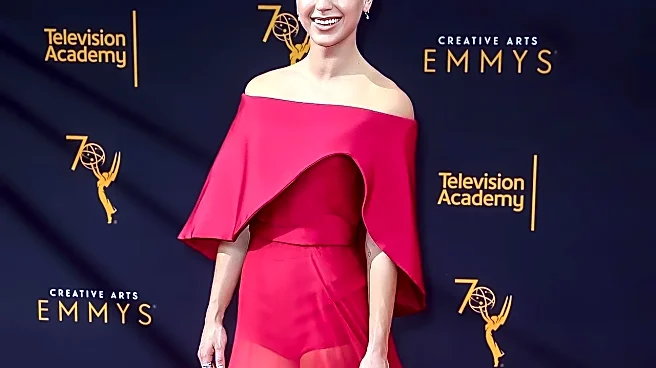
At its core, an awards show is live television, and its greatest joy lies in its unscripted moments. The red carpet fashion, the genuinely shocked reactions of a surprise winner, the heartfelt (or rambling) acceptance speeches, and the presenter banter are the real show. These moments are what people will be talking about the next day, not the intricacies of a supporting actor's performance in a show with a niche audience. The ceremony on September 14th is a massive production designed for entertainment. Allowing yourself to get caught up in the glamour, the potential for delightful chaos, and the sheer fun of the spectacle is a perfectly valid—and frankly, less stressful—way to enjoy the night.
If You Must Watch One, Make It Strategic
If you absolutely feel the need to have a horse in the race, don't try to watch everything. Pick one. Just one. Choose a show that has major buzz and is a frontrunner in a category you care about. Maybe it's the final, historic season of "Hacks" or the much-discussed "Widow's Bay." Or perhaps you pick a limited series like "DTF St. Louis," which has a contained story you can finish in a weekend. By investing in a single contender, you get the satisfaction of having a favorite to root for without the daunting task of watching 100+ hours of television. It gives you a personal anchor for the evening, a team to cheer for, and makes their wins (or losses) feel that much more significant.