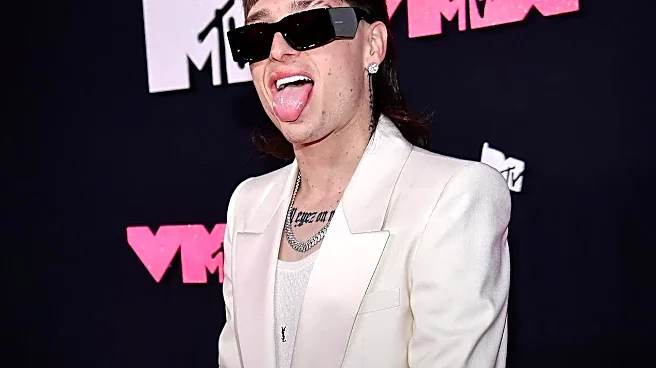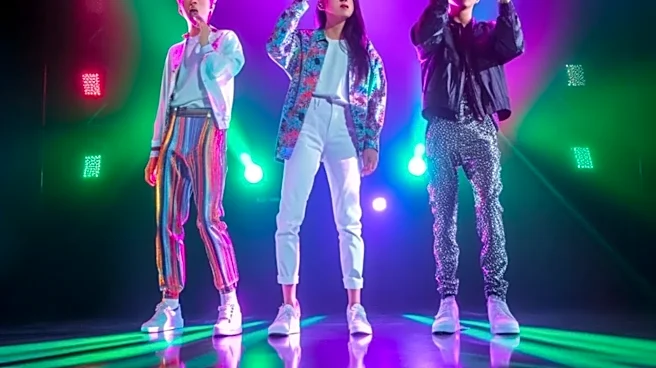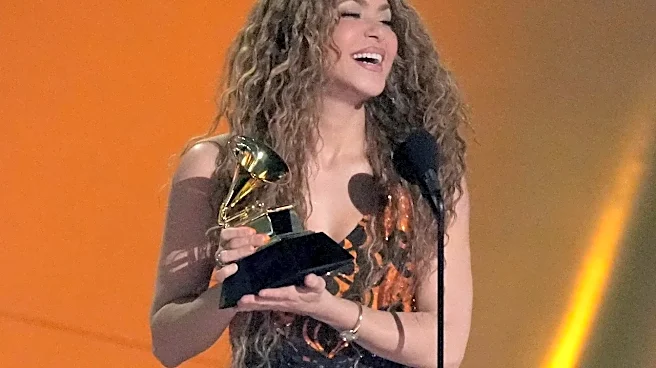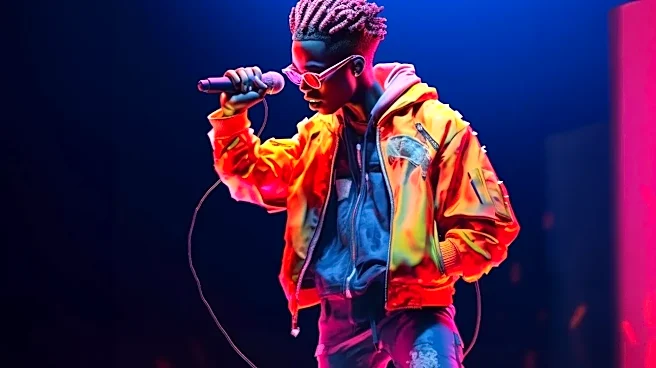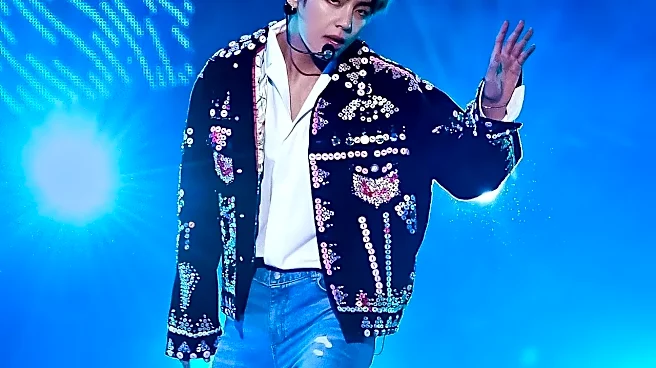


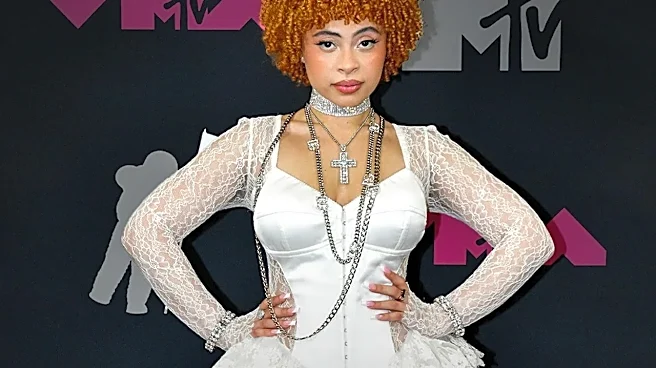
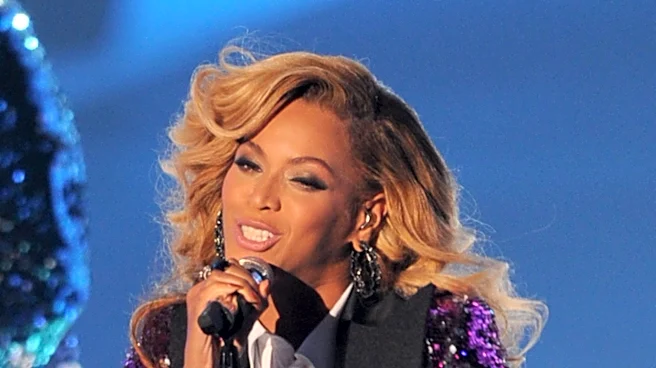
Watch any recent MTV VMA performance and you’ll notice it: a perfectly timed wink to the camera, a sudden dance break, a wild prop reveal. These aren’t just for the live audience; they are meticulously crafted for short-form replay value.
The Anatomy of a Viral Moment
In today’s music
landscape, a three-minute performance is no longer just a performance—it’s a content-creation session. The primary goal has shifted from wowing the arena to manufacturing a dozen shareable 15-second clips for TikTok, Instagram Reels, and YouTube Shorts. Artists and their creative teams now storyboard performances with a social media editor’s mindset. Every element is optimized for the vertical screen and the rapid scroll. This includes choreography with one or two simple, repeatable moves that can spawn a dance challenge. It also involves specific camera cues, like a dramatic zoom on a facial expression or a sweeping shot that captures a surprise guest, all designed to be clipped and looped endlessly. The broadcast itself is engineered to support this, using dynamic camera systems that create unmissable shots perfect for a 6-second clip.
From Live Reaction to Digital Metrics
The definition of a “successful” VMA performance has fundamentally changed. While a standing ovation is nice, the real metric of success is digital engagement. Labels and marketing teams now analyze post-show data with intense focus: How many times was the performance snippet shared? Did a particular sound or dance move start trending? Did the artist's social media follower count spike? This focus on quantifiable data means that a performance's legacy is determined less by next-day critical reviews and more by its algorithmic staying power. A song can surge from obscurity to a global hit in days based on this cycle. This has turned the VMAs into a high-stakes marketing opportunity, a launchpad for a song's next chapter online rather than a simple victory lap.
The New Creative Formula
So, what are the ingredients for a replay-ready performance? It often starts with a visual hook. Think of an artist beginning their song with a dramatic reveal, like rising from beneath the stage on a hidden lift. Next comes a “meme-able” moment: a deliberately quirky ad-lib, a relatable eyeroll, or an over-the-top gesture. The choreography is key, often blending complex group routines with a simple, signature move that viewers at home can easily copy. Even the stage design plays a part, with massive LED screens and augmented reality elements creating visual illusions that look stunning on a phone screen. These components are stitched together to create a performance that feels like a highlight reel, with each segment designed to stand alone as a piece of viral content.
The Price of Perfection
While this new strategy is undeniably effective for marketing, it raises questions about authenticity and spontaneity. The VMA stage was once famous for its unpredictable, chaotic energy—think Madonna's impromptu kiss with Britney Spears or Kanye West's infamous stage crash. These were raw, unscripted moments that became pop culture touchstones. Today's performances, in contrast, can feel surgically precise and risk-averse. By designing every second for maximum shareability, artists may lose the opportunity for genuine, messy, and truly legendary moments. The focus on creating polished, repeatable content can sometimes come at the expense of the raw, electric connection that makes live performance so special. It's a trade-off between guaranteed digital buzz and the potential for transcendent, unplannable magic.