


The Global Takeover of Scandi Style 2.0
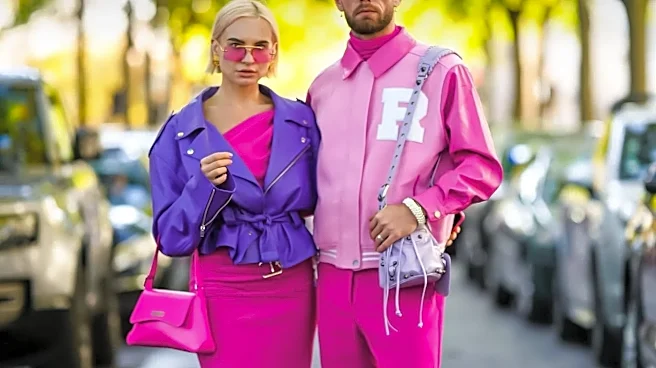
For years, Scandinavian design was synonymous with a kind of severe, intellectual minimalism. But a new wave of Copenhagen-based brands has redefined the aesthetic, injecting it with vibrant color, playful prints, and an accessible sense of fun. Labels
like Ganni, with its cult-favorite #GANNIGirls community, Stine Goya, and Rotate Birger Christensen have become fixtures in high-end retailers and on social media feeds worldwide. They project an image of a woman who is fashion-forward but doesn't take herself too seriously. This isn't just about clothes; it's about an attitude that feels both aspirational and achievable, and it has catapulted fashion into Denmark's third-largest export commodity.
The Blessing of a Small Home Market
The secret to this global success lies in a paradox: the limitations of the Danish market itself. With a population of just under six million, Denmark is too small to build a major brand on domestic sales alone. This structural constraint forces an outward-looking perspective from day one. Unlike brands in the U.S. or larger European countries that can scale significantly at home before ever thinking about exports, Danish entrepreneurs know their survival depends on appealing to a global audience. This fosters a mindset where international viability isn't an afterthought; it's part of the initial business plan. They have to design and market for a customer in New York or Tokyo with the same intensity as they do for one in Copenhagen.
Designing for Longevity, Not Just the Season
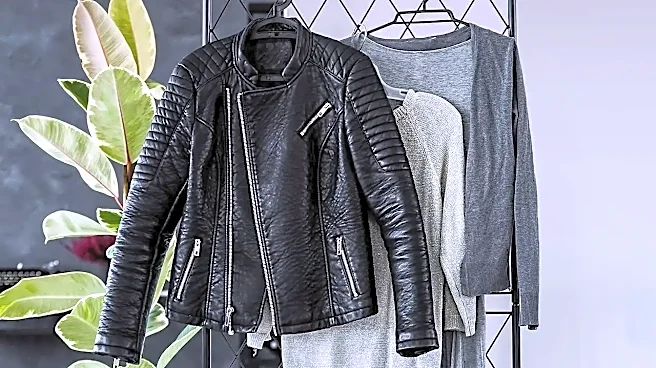
Because they can't compete on the massive volume of fast fashion, Copenhagen brands lean into a different value proposition: quality and timelessness. The Danish cultural appreciation for things that last—from furniture to fashion—is a core part of this strategy. The result is clothing characterized by high-quality materials, functional design, and silhouettes that endure beyond a single trend cycle. This philosophy inherently creates a more sustainable product, one that customers are willing to invest in. It’s a business model built on creating beloved wardrobe staples rather than disposable hits, a strategy that resonates with a growing global consumer base wary of throwaway culture.
Selling a Story, Not Just a Product
Copenhagen brands are masters of selling an authentic lifestyle. They don't just market dresses; they market the carefree, confident spirit of the city itself. This is achieved through savvy, often organic, social media strategies and community building. Ganni, for example, built its empire by empowering a global tribe of influencers and fans, not by chasing huge celebrities. This focus on authentic connection and storytelling creates a powerful brand identity that is both deeply rooted in Danish culture and universally appealing. The brand becomes a calling card for a certain set of values: creativity, responsibility, and a relaxed approach to style.
The Power of a Collective Platform
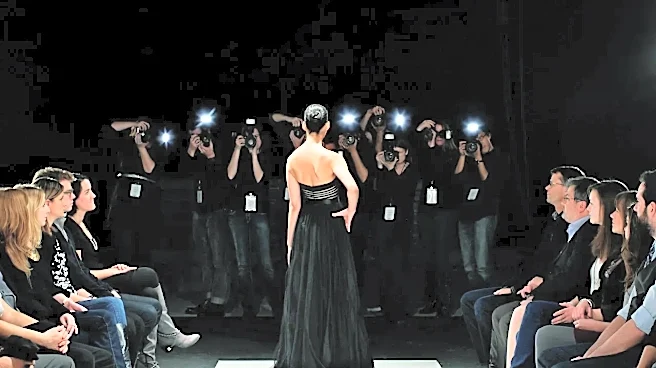
Individual brand success is amplified by a powerful collective entity: Copenhagen Fashion Week (CPHFW). Once a minor player, CPHFW has become a must-attend event on the international fashion calendar, largely by positioning itself as the world's leading sustainable fashion week. Starting in 2020, it implemented strict sustainability requirements that all participating brands must meet, covering everything from materials and waste to working conditions. This bold move not only forced positive change but also gave the city's fashion scene a unified, compelling narrative. It transformed the event from a simple showcase into a global platform for responsible design, attracting press, buyers, and international respect. The success of this framework is so recognized that other fashion councils are beginning to adopt it.