





First, What Is Lactic Acid?
Before we dive into the trend, let's get acquainted with the main character. Lactic acid is a type of alpha-hydroxy acid (AHA), a class of chemical exfoliants beloved in the skincare world. Unlike its more intense cousins (like glycolic acid), lactic
acid has a larger molecule size, meaning it doesn't penetrate as deeply into the skin. This makes it one of the gentlest AHAs available. For years, it's been a go-to ingredient in facial serums and toners for its ability to dissolve the 'glue' that holds dead skin cells together. This process reveals brighter, smoother skin underneath. It’s also a humectant, which means it helps the skin retain moisture—a double-win for anyone chasing a hydrated, glowy complexion.
The Social Media Spark
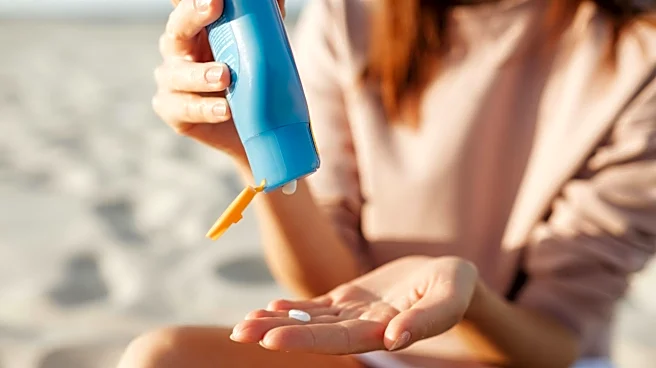
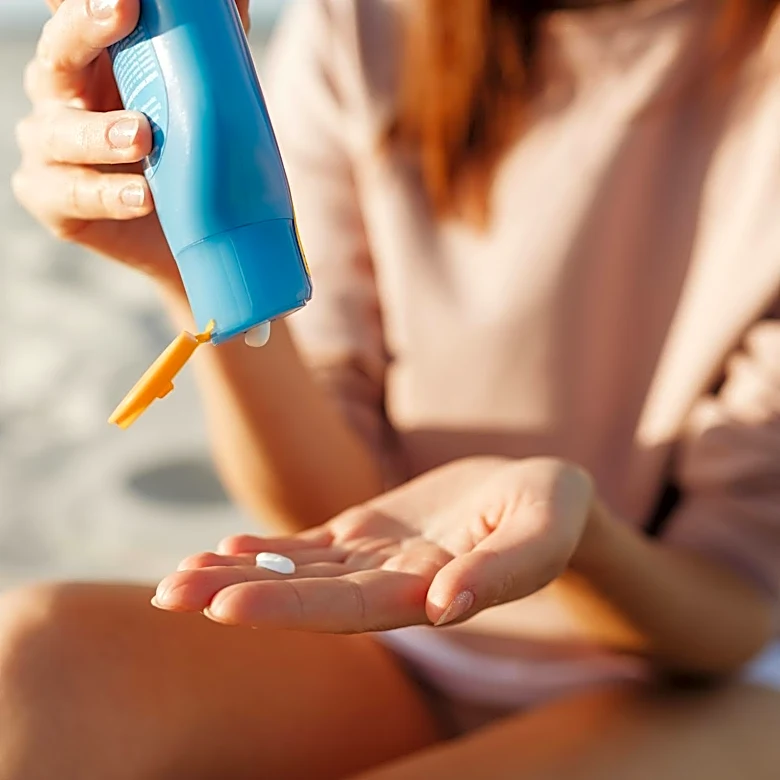
So, how did an ingredient typically used in evening facial routines end up in a beach bag? Like many recent beauty phenomena, the answer is TikTok. The trend gained viral traction with users showcasing their routine of applying a lactic acid body lotion (most commonly the AmLactin brand) before heading out for a day of swimming, whether at the pool or the beach. The logic, according to influencers, is multifaceted. The primary claim is that by exfoliating the body right before sun exposure, you create a perfectly smooth canvas. This, they argue, helps you get a more even tan and prevents the patchy look that can result from dry, flaky skin. For those who prefer a faux glow, the same principle applies: a smoother surface supposedly leads to a flawless self-tanner application later on.
The Supposed Pre-Swim Payoff
Beyond an even tan, proponents of the pre-swim slather have other reasons. They believe that the hydrating properties of lactic acid can form a barrier of sorts, helping to counteract the drying effects of chlorine and saltwater. The exfoliation also helps other products, like your post-swim moisturizer, absorb more effectively. In essence, the trend promises three things: an impeccably smooth base for sunbathing or self-tanning, a bit of protection against moisture loss, and an overall radiant 'glazed donut' look for your limbs. It sounds like the perfect recipe for summer skin, but there’s a major catch that the 60-second videos often leave out.
A Dermatologist's Reality Check
Here's where the expert advice collides with the viral trend. Dermatologists almost universally caution against using AHAs right before sun exposure. When you exfoliate with an acid, you're removing the outermost layer of dead skin cells (the stratum corneum). While this layer can make skin look dull, it also provides a small but significant amount of protection from UV rays. Removing it right before heading into the sun makes your fresh, new skin underneath significantly more vulnerable to sun damage, including sunburns, premature aging, and an increased risk of skin cancer. This effect, known as photosensitivity, is why most AHA products come with a warning to use them at night and to be diligent with sunscreen the next day. Applying it moments before sun exposure is, to put it bluntly, a risky move.
A Safer Way to Get Swim-Ready Skin
This doesn't mean you have to give up on the dream of silky-smooth poolside skin. You just need a smarter, safer strategy. Instead of applying lactic acid lotion right before you leave, use it the night before. This gives the acid time to work its magic overnight and allows your skin a recovery period before it's exposed to UV rays. The next morning, your skin will still be exfoliated and smooth. The most critical step is to apply a broad-spectrum sunscreen with an SPF of 30 or higher to all exposed skin. Don't skimp. This is non-negotiable, especially after using an exfoliant. By shifting your lactic acid routine to the evening, you get all the smoothing benefits touted by the trend without the dangerous increase in photosensitivity. It’s a simple tweak that makes all the difference.