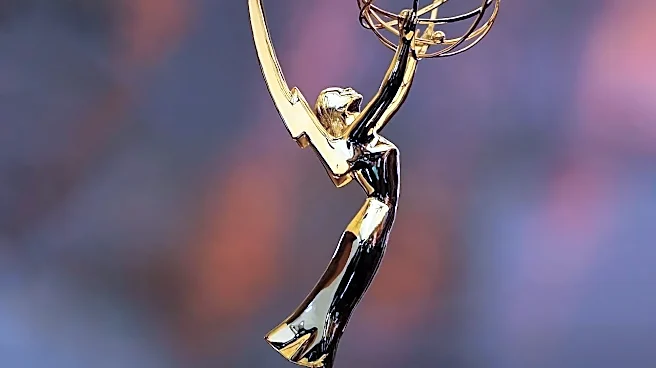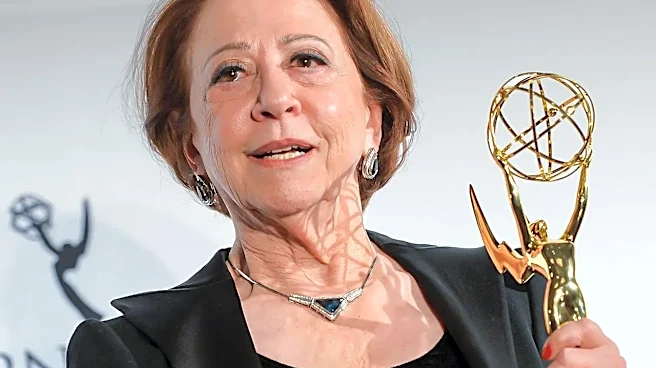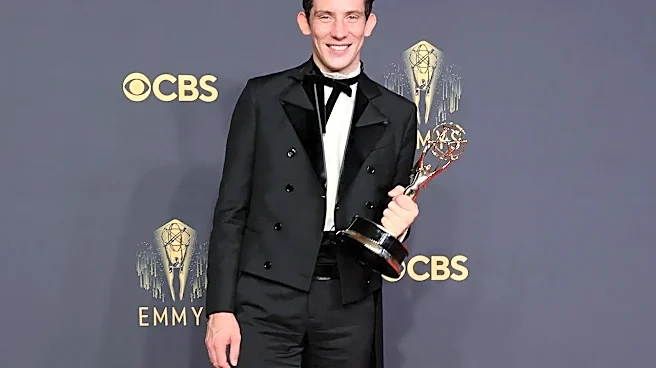




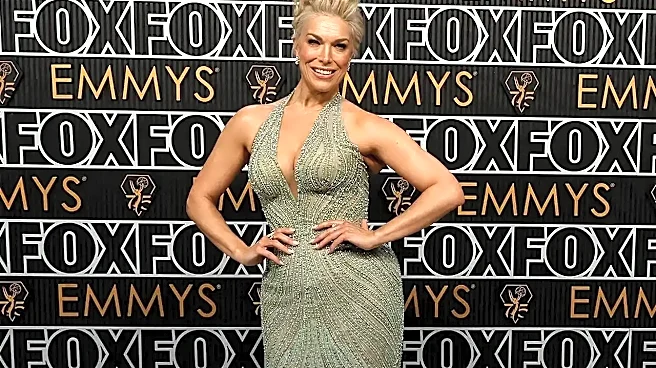
The Emmys Before the Main Event
First, let's set the scene. The main Primetime Emmy Awards broadcast—the one with the big-name actors and acceptance speeches for Outstanding Drama and Comedy Series—is actually just the tip of the iceberg. The bulk of the awards are given out a week
or two earlier at the Creative Arts Emmys. These ceremonies honor the craftspeople who build the worlds of television: the costume designers, sound mixers, editors, and, yes, the cinematographers. While they don't get the same glitzy network coverage, these “below-the-line” awards are where a show’s foundational excellence is often recognized first. They are a direct nod to the technical mastery and production values that separate good shows from truly prestige television.
More Than Just a Pretty Picture
Cinematography is the art of telling a story with a camera. It’s not just about capturing a beautiful landscape or a dramatic close-up; it’s about every visual choice that sets the mood and tone. The director of photography (DP) uses lighting, framing, color, and camera movement to create a distinct visual language for a series. Think of the cold, corporate sterility of “Severance,” the dusty, sun-beaten vistas of a Western, or the neon-drenched anxiety of “Euphoria.” Each of those looks is the result of deliberate, artistic decisions. An Emmy for cinematography is recognition from industry peers that this visual storytelling isn't just competent, but exceptional. It signals that a series has a clear, well-executed vision from the ground up.
The Canary in the Coal Mine?
So, is a cinematography win a reliable predictor of a future Best Series win? The short answer is no, not directly. There are many instances of shows winning for their stunning visuals without taking home the top prize. However, it is a powerful indicator of a show's strength as a contender. A series that earns a nomination or win in a major craft category like cinematography is almost always in the conversation for the top awards. Looking back at recent years, shows like “The Mandalorian,” “The Crown,” and “Succession” all picked up cinematography awards alongside their major series wins or nominations. A win here proves the show has the respect of the technical branches of the Television Academy, a large and influential voting bloc. It suggests the series is firing on all cylinders, impressing not just critics but the craftspeople who know what it takes to achieve that level of quality.
A Declaration of Ambition and Budget
More than anything, a cinematography Emmy is a statement of intent. It says the production had the resources and the creative freedom to create something truly cinematic. High-end cinematography is expensive. It requires top-tier equipment, experienced crews, and, most importantly, time. In the world of television production, time is money. A show that allows its DP the time to set up complex lighting, execute intricate camera moves, and craft a specific look is a show that is being given a major investment from its studio or network. This award often separates the flagships—the “Game of Thrones” or “Shōgun” level productions—from the rest. It's a stamp of approval that signifies a series isn’t just another show, but a piece of prestige art designed to make a cultural impact.
The Visual Arms Race of the Streaming Wars
The importance of this award has only grown in the streaming era. With dozens of platforms vying for subscribers, a show's visual identity is a crucial marketing tool. How do you make your new fantasy epic stand out from the five others launching this year? You make it look better. Netflix, Apple TV+, and HBO are in a visual arms race, pouring money into their series to give them a feature film-quality look. A cinematography win is ammunition in that battle. It becomes part of the marketing, a badge of quality that tells potential viewers this is a show worth their time and subscription fee. It’s no longer just an industry accolade; it’s a consumer-facing seal of approval in an increasingly crowded marketplace.