

The So-Called 'Hidden' Step
The single most impactful step that dermatologists consistently recommend—often so quietly it gets lost in the noise of 12-step routines—isn’t a product at all. It’s a timing trick: applying your moisturizer to damp skin. Not soaking wet, and certainly
not bone-dry. We’re talking about the specific moment right after you’ve cleansed and gently patted your face, when it still feels dewy and plump with water. This simple tweak in application can fundamentally change how your products perform, especially if you struggle with persistent dryness, tightness, or a compromised moisture barrier. It transforms your moisturizer from a simple topical layer into a powerful hydration-sealing tool. Think of it less as an extra step and more as optimizing the steps you already take.
The Science: Why Damp Skin Wins
To understand why this works, think of your skin like a dry sponge. If you try to wipe up a spill with a completely dry, crusty sponge, it doesn't absorb much. But if you dampen the sponge first, it becomes pliable and readily soaks up liquid. Your skin operates on a similar principle. When your skin is damp, it’s more permeable. The water on the surface helps to shuttle the active ingredients in your serums and moisturizers deeper into the skin. More importantly for dry skin, it provides the very thing your moisturizer is designed to lock in: water. Most moisturizers contain two key types of ingredients. Humectants (like hyaluronic acid and glycerin) act like magnets, pulling water into the skin. Occlusives (like petrolatum, shea butter, and dimethicone) form a protective barrier on the surface to prevent that water from escaping—a process known as transepidermal water loss (TEWL). When you apply moisturizer to dry skin, the humectants have less ambient water to draw from, and the occlusives are just forming a barrier over a dehydrated surface. Applying it to damp skin gives your products the perfect environment to do their jobs effectively, trapping surface-level moisture for hours.
How to Nail the Technique
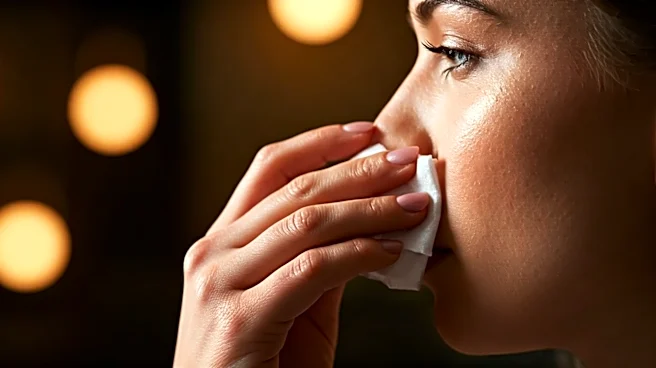
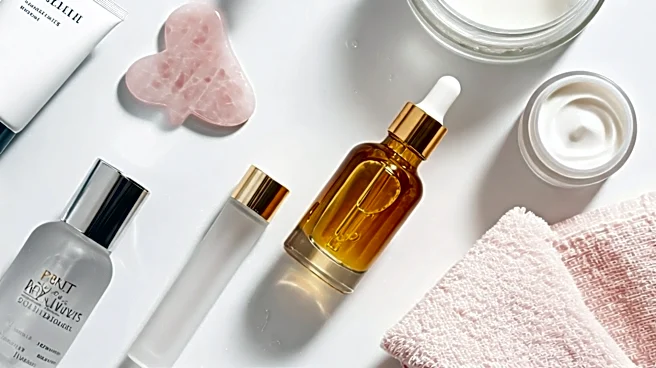
Integrating this into your morning routine is simple and should take no more than 60 seconds. Here’s how to do it right: 1. **Cleanse as usual.** Use a gentle, non-stripping cleanser that doesn’t leave your skin feeling tight. 2. **Pat, don’t rub.** Instead of vigorously rubbing your face dry with a towel, which causes irritation and removes all the beneficial water, gently pat your skin. Leave it feeling slightly damp to the touch. If you’ve over-dried, a quick spritz with a simple thermal water or hydrating toner mist can re-dampen the surface. 3. **Apply serums immediately.** If you use a hydrating serum (especially one with hyaluronic acid), apply it now. It will absorb rapidly into your damp skin and pull even more moisture into its upper layers. 4. **Seal the deal within one minute.** Immediately follow with your moisturizer to lock everything in. This final layer acts as a sealant, preventing the water you just trapped from evaporating into the air. By creating this barrier, you ensure your skin stays supple and hydrated far longer than it would otherwise.
Common Mistakes to Avoid
The effectiveness of this technique lies in the details. The most common mistake is waiting too long. If you wash your face, then go make coffee or check your phone before starting your routine, your skin will have already dried out, and you’ve missed the golden window of opportunity. The goal is to move from cleansing to moisturizing in under a minute. Another error is confusing this method with simply leaving your face dripping wet. Too much water can dilute your products and cause them to pill. You’re aiming for dewy, not drenched. Finally, don’t assume that any facial mist will do the job of a moisturizer. Mists are great for re-dampening the skin before product application, but if you just spray your face and walk away, the water can actually pull moisture *out* of your skin as it evaporates, leaving it even drier. The key is always to seal the hydration in with a cream or lotion.