








The Scoreboard is a Liar
For an audience raised on the constant action of basketball or the explosive plays of football, a 90-minute soccer match that ends 1-0 can feel like a letdown. It’s a common refrain: “Nothing happened.” But the scoreboard is a poor storyteller. It records
goals, not pressure. It tracks the final outcome, but not the near misses, the heroic defensive stands, the tactical chess match between managers, or the suffocating tension that builds with every completed pass in a rival’s territory. A great commentator understands this fundamental truth. Their first job isn’t to count the goals, but to make you feel the weight of their absence. They are translators, converting the subtle, visual language of the game—a defender’s positioning, a midfielder’s vision, a striker’s intelligent run—into a gripping verbal narrative that the uninitiated might otherwise miss. They teach you to see the drama that exists between the goals, transforming a defensive stalemate into an epic siege.
Weaving a Narrative on the Fly
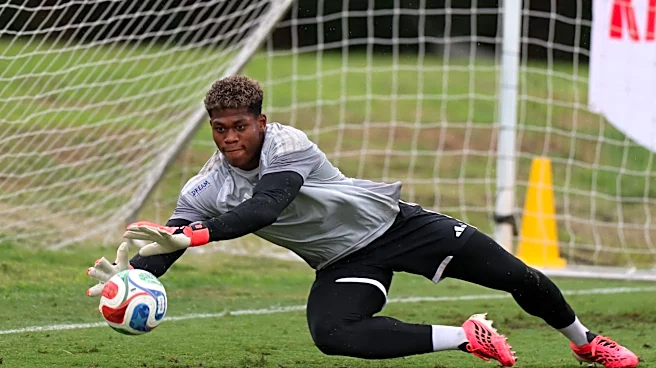
The best broadcasters are not reporters; they are live-action storytellers. Listen to a master like Peter Drury, and you’re not just watching a game; you’re witnessing a Shakespearian drama unfold. He doesn’t just say a player scored. He gives the moment history, context, and poetry. A goal isn't just a goal; it's “a night of redemption,” “a script torn up,” or “Greek God in blue.” This isn’t just flowery language; it’s narrative construction. By linking the action on the field to past failures, personal rivalries, and the collective hopes of a fanbase, the commentator raises the stakes. A simple midfield tackle isn't just a tackle; it's a moment of defiance from a veteran player fighting for his spot. A save isn't just a save; it's a rookie keeper announcing his arrival on the world stage. They build a world around the 22 players on the pitch, giving every action meaning and making the final, solitary goal feel like the climax of a perfectly crafted novel.
The Sound of Importance
Human beings are wired to respond to vocal cues. A sharp intake of breath, a rise in pitch, a sudden hush—these are universal signals of importance. In a low-scoring game, commentators use their voice as an instrument to conduct the audience’s emotions. The steady, analytical tone during midfield possession can suddenly sharpen as the ball moves into the final third. The voice of a commentator like Ian Darke or Arlo White will climb an octave with the arc of a cross, holding the note of anticipation, before either exploding in a roar of celebration or collapsing into a groan of shared disappointment. This vocal performance is a crucial guide. It tells the viewer: “Pay attention. This matters.” It turns a blocked shot from a mundane event into a heart-stopping moment of collective anxiety and relief. Without a word of tactical jargon, the sound of the commentary alone can communicate the ebb and flow of a match’s hidden intensity.
The Strategist in the Booth
Beyond the poetry and emotion, great commentary provides an intellectual key to the game. This is the domain of the color commentator, often a former player or coach who explains the “why” behind the “what.” They are the strategists who make the game’s invisible architecture visible. They’ll point out how a manager’s halftime substitution has shifted the balance of power, or how a team’s switch to a high-press is forcing their opponent into costly errors. This layer of analysis transforms the viewing experience from a passive one into an engaging mental exercise. You’re not just watching players run; you’re understanding the tactical battle playing out. When the co-commentator explains that a right-back is intentionally leaving space behind him to bait the opposing winger into a trap, the game suddenly feels less like a sport and more like high-speed chess. This appreciation for strategy makes the defensive aspects of the game just as compelling as the attacking ones, ensuring that even a 0-0 draw can be a fascinating spectacle.