
The Song Everyone Knows
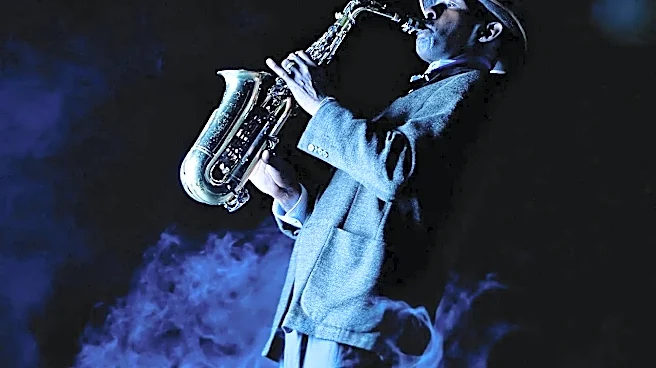
Ask anyone to name a Cannonball Adderley song, and they’ll almost certainly land on “Mercy, Mercy, Mercy.” Released in 1966, the track was a commercial juggernaut, a rare instrumental piece that climbed
to No. 11 on the Billboard Hot 100 and became a signature of the soul-jazz movement. It’s a masterclass in atmosphere. The track opens with Adderley’s famous spoken introduction, his voice warm and inviting as if addressing a small, intimate congregation. He speaks of adversity and the universal need for compassion, setting a spiritual tone before a single note of the main theme is played. When the music does start, it’s the Wurlitzer electric piano, not Adderley's famous alto sax, that carries the unforgettable, gospel-infused melody. The song’s success felt like a perfectly captured moment of live lightning in a bottle, cementing Adderley’s status as a crossover star.
The Man Who Actually Wrote It
Here's the first secret: Julian “Cannonball” Adderley didn't write his most famous song. The composer was Joe Zawinul, the quintet’s brilliant Austrian-born pianist. Zawinul, who had been with the band since 1961, grew up in Vienna steeped in classical music before falling in love with American jazz. He joined Adderley’s group and quickly became a vital compositional voice, pushing the band toward the soulful, electric sound that would define its most popular era. “Mercy, Mercy, Mercy” was his creation, a tune born from his deep appreciation for the gospel and blues sounds he absorbed in the U.S. Zawinul knew the song had potential, but he insisted on a specific sound. He felt the theme was too plain on an acoustic piano and urged the band to find a studio with a Wurlitzer electric piano, an instrument he believed would give it the funky, church-like feeling it needed to become a hit.
The Myth of 'The Club'
The album is famously titled "Mercy, Mercy, Mercy! Live at 'The Club'". The original liner notes even tell a story of the recording happening at a swinging new spot in Chicago. That, too, is a carefully crafted illusion. The legendary album wasn't recorded in a smoky Chicago nightclub at all. It was recorded on October 20, 1966, at the Capitol Records studio in Hollywood. Producer David Axelrod, Adderley, and the band simulated a live venue by inviting an audience into the studio and, according to legend, supplying an open bar to ensure a lively atmosphere. The enthusiastic crowd response, the clinking glasses, and the call-and-response energy are all real, but the setting was a fabrication. The reason for the ruse was a favor to a friend; Adderley wanted to give some free publicity to the owner of the actual Chicago venue called The Club.
A Masterpiece of Production
The decision to fake a live album was a stroke of commercial and artistic genius. The hybrid recording captured the raw, spontaneous energy of a live performance—something essential to the spirit of the song—while benefiting from the pristine audio quality of a top-tier studio. The result was an instrumental that felt accessible and alive, perfectly packaged for pop radio without sacrificing its jazz integrity. The song's simplicity and emotional directness, as Adderley himself later explained, were key to its success with a broad audience that wasn't necessarily steeped in jazz. It was music you could feel without needing to analyze. While The Buckinghams would later add lyrics and score their own Top 5 hit with the song, the instrumental version by Adderley's quintet remains the definitive one. It stands as a testament not just to a great band, but to the savvy production that turned a great performance into a timeless recording.