





More Than Just Making the Movie
The first number to understand is the 'negative cost'—the budget to physically produce the film, from script development and casting to shooting and post-production. For an independent film with prestige aspirations, this figure can realistically run
anywhere from $2 million to $50 million. But that’s just the beginning. The real 'hidden' costs come after the final cut. These include essentials that separate professional films from amateur projects, such as production insurance, which can cost thousands, and high-quality sound mixing and color grading, which are crucial for a polished final product. Then there are festival submission fees and the creation of marketing materials. These expenses, while smaller, add up quickly and are rarely part of the initial production budget conversation.
The Venice Premiere: A High-Stakes Launchpad
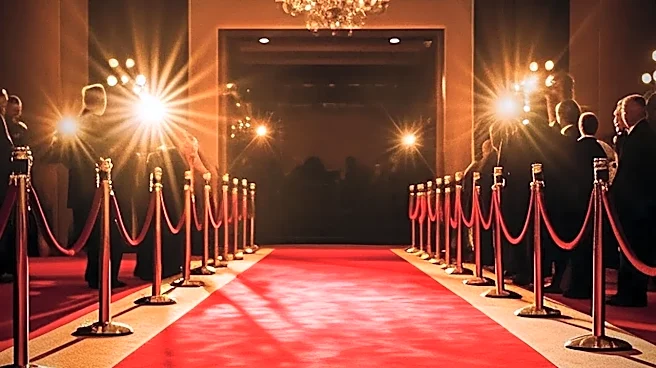
Getting a film into the Venice Film Festival is a monumental achievement, but it’s also a massive expense. This isn't just a celebration; it’s a strategic investment. Producers must budget for travel and five-star accommodations for the director and key cast members, a small army of publicists to generate buzz, and lavish parties to court critics and distributors. The premiere itself becomes a marketing event designed to create immediate credibility and visibility. A successful reception on the Venice Lido can trigger a bidding war among distributors, securing the film's theatrical release and international sales. The festival effectively serves as a multi-million dollar audition, where the return on investment isn't profit, but momentum. A strong showing in Venice is the starting gun for the even more expensive awards race to come.
The Long Road to an Oscar
If a film builds buzz in Venice, the next phase is the grueling and costly Academy Awards campaign. An Oscar nomination can significantly boost a film's box office, VOD sales, and long-term value, but getting there requires a separate, multi-million dollar budget. Studios and distributors will spend anywhere from $3 million to over $25 million on a single film's Oscar campaign. This money funds 'For Your Consideration' ads in trade publications (a single page can cost over $70,000), private screenings for academy voters, and the salaries of expert awards strategists and publicists who orchestrate the entire effort. In some cases, the awards campaign budget can exceed the entire cost of making the movie, illustrating how the pursuit of prestige is a high-risk financial calculation.
Who Actually Foots the Bill?
Financing an independent film is a complex puzzle. Unlike studio blockbusters funded by a single corporate entity, prestige films are often backed by a patchwork of sources. This can include private equity from wealthy individuals or film financing companies who invest in exchange for a share of potential profits. Another key strategy is securing pre-sales, where a distributor pays for the right to release the film in a specific territory before it’s even finished. Government tax incentives and rebates are also crucial, often convincing producers to shoot in a particular state or country to lower costs. Finally, some filmmakers turn to debt financing, taking out loans that must be repaid from the film's revenue. Each piece of funding comes with its own set of risks and rewards for the producers and investors.