





1. The Width-to-Forehead Ratio
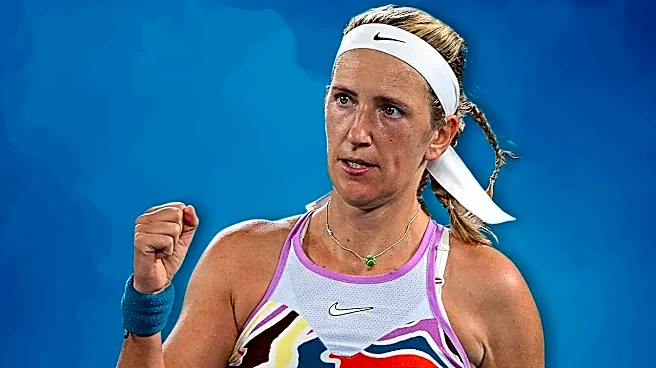
A great headband provides ample coverage without overwhelming your face. Look for a width that covers about half to two-thirds of your forehead. Wider bands offer more surface area for sweat absorption, which is ideal for intense matches.
2. Consistent Width vs. A Tapered Cut
Some headbands
maintain a uniform width all the way around, maximizing sweat absorption. Others feature a taper, becoming narrower at the back. This can reduce bulk behind the ears and at the nape of the neck, increasing comfort for some players.
3. The Elasticity Sweet Spot
A headband should be snug enough to stay put but not so tight that it causes a headache. The right proportion of elastic material, often a spandex or elastane blend, provides a secure fit that you'll forget you're even wearing.
4. Tie-Back Tail Length
For tie-back styles, popularized by pros, the length of the tails matters. Proportionally, they should be long enough to tie securely with a little drape, but not so long that they become a distraction during play. This allows for a perfectly customized fit.
5. Material Thickness and Bulk
A thicker, terry cloth headband is excellent for absorption but can feel bulky. Modern synthetic options made from polyester or bamboo blends are often thinner and more lightweight, offering a sleeker profile without sacrificing performance.
6. The Interior Grip Strip
Many top-tier headbands feature a thin strip of silicone on the inside. This non-slip grip is a small but crucial detail that keeps the band locked in place, preventing it from sliding down as you move and sweat.
7. Seam Construction and Placement
Look for flatlock seams to avoid irritation. On a well-proportioned headband, any seams will be placed away from major pressure points, like directly over the ears, to ensure comfort during long matches.
8. Moisture-Wicking Fabric Weave
Beyond the material itself, the weave affects performance. High-performance headbands use fabrics that pull sweat away from the skin and disperse it for quick evaporation, rather than just absorbing it like a sponge.
9. The Fold-Over Factor
Some wider headbands are designed to be folded, allowing you to customize the width. A well-designed one will lay flat when folded without creating uncomfortable ridges or bunching.
10. Stretch Recovery Rate
A quality headband won't stretch out and lose its shape after a few uses. Materials with good stretch recovery, like high-grade spandex blends, will return to their original size and proportion, ensuring a consistent fit every time.
11. Logo Size and Material
Even the logo is a proportion clue. A small, screen-printed or silicone logo is often better than a large, stiff embroidered one. A bulky logo can create a pressure point on the forehead and may interfere with the fabric's stretch.
12. Breathability vs. Absorption
There's a trade-off between pure sweat absorption and breathability. The best headbands find the right balance. They use materials that absorb sweat at the forehead while allowing heat to escape, helping with temperature regulation.
13. The Minimalist 'Skinny' Band
For players primarily concerned with keeping hair out of their face, a skinny or mini headband is proportionally ideal. While offering less sweat protection, their minimal design is lightweight and unobtrusive.
14. Tie vs. Seamless Loop
The choice between a tie-back and a continuous loop design is a fundamental proportion decision. Tie-backs offer adjustable sizing, while seamless loops provide pull-on convenience. The best loop designs use a high-quality elastic blend to fit a range of head sizes.
15. Color and Heat Absorption
On a hot, sunny day, color is a functional choice. Lighter-colored headbands will absorb less heat than darker ones, offering a slight advantage in staying cool during a grueling match under the sun.
16. Fabric Texture and Skin
The texture of the fabric against your skin matters. High-end options use soft, skin-friendly materials like bamboo or specialized polyester blends that prevent irritation, even during intense play.
17. Overall Weight and Balance
A superior headband feels almost weightless. The materials and construction should be balanced, so it doesn't feel heavier in the front or back. A lightweight design minimizes distraction, allowing you to focus completely on the game.
18. Versatility for Hair Type
The best designs consider different hair types. Wider bands can be great for managing thick or curly hair, while non-slip features are crucial for fine or straight hair that might otherwise let the band slide.