
1. The 'My Kid Could Paint That' Masterpiece
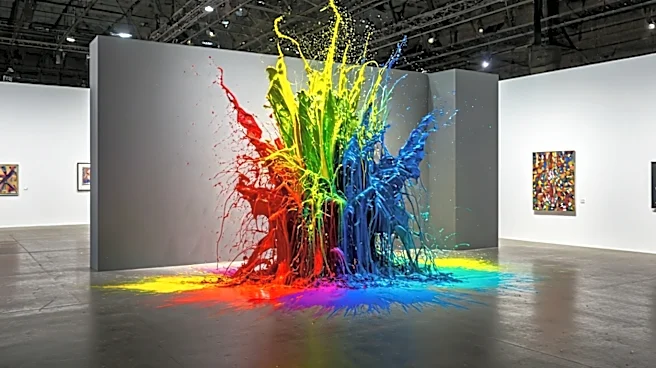
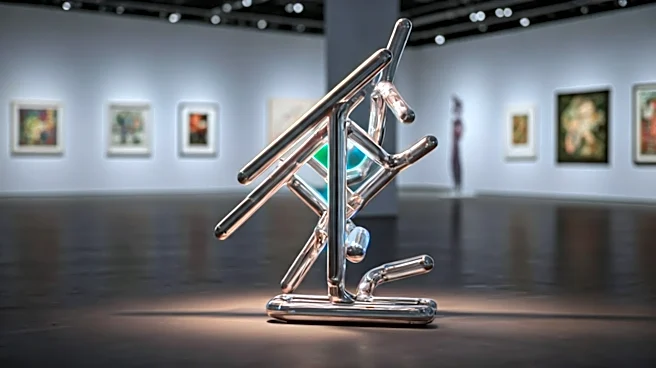
It’s the foundational trope of modern art discourse. This is the elegantly framed, solid-color canvas, the tastefully arranged pile of debris on the floor, or the trio of gestural squiggles sold for the price
of a suburban home. Onsite, collectors and critics murmur about 'deconstructing form' and 'post-war abstraction.' Online, it’s a race to post the definitive hot take: 'I have a toddler who is available for commissions.' This piece isn’t just art; it’s a digital content engine, reliably churning out jokes that reaffirm a collective suspicion about the art world's sincerity. It serves as a perfect, low-stakes entry point for anyone who has ever felt alienated by a museum plaque.
2. The Extremely Instagrammable Experience
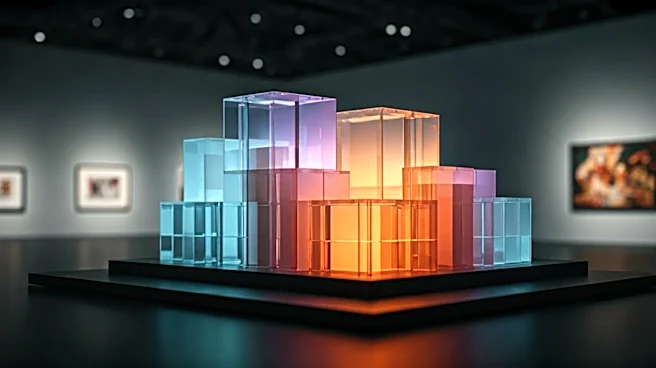
This is the anti-'My Kid Could Paint That.' It’s a room of infinite mirrors, a sculpture made of shimmering dichroic glass, or a giant, cartoonish flower you can stand inside. This art isn't meant for quiet contemplation; it’s designed for the front-facing camera. Its success is measured in geotags and story shares. The internet’s reaction isn't confusion but enthusiastic participation. Instead of mockery, you get thousands of near-identical photos of people posing, smiling, and interacting with the piece. It represents the commercial symbiosis between art and social media, where the viewer’s presence completes the work—and provides free marketing.
3. The Vaguely Unsettling Performance Piece
Suddenly, the ambient gallery chatter is broken. An artist, dressed in a bizarre yet minimalist outfit, is slowly, silently pouring milk onto a stack of vintage magazines. Or perhaps they’re just standing motionless in a corner, staring. The in-person reaction is a bubble of polite, awkward space as gallery-goers pretend this is totally normal. The online reaction is a screenshot or a shaky phone video captioned, 'you guys, what is happening at Frieze?' This trope fuels the internet’s fascination with the absurd, turning the performance into a ready-made 'weirdest thing I saw today' meme, divorced from whatever institutional critique it may have intended.
4. The Everyday Object with an Outrageous Price Tag
It's a banana duct-taped to a wall. A crushed soda can cast in bronze. A single, pristine sneaker on a pedestal. Nothing ignites online fury like the re-contextualized mundane object with a price tag that includes multiple zeroes. This is where the art world's conversation about 'conceptual value' and 'the readymade' crashes head-on into the real world's understanding of commerce. The internet doesn’t see a clever commentary on consumer culture; it sees a scam. The resulting discourse is a firestorm of class critique, jokes about what’s for sale in one's own garage, and genuine bewilderment at the mechanics of value in the art market.
5. The Overdressed Art Patron as Installation
At Frieze, the art isn’t just on the walls. The aisles are a runway for architects in esoteric Japanese labels, gallerists in severe black, and collectors wearing outfits that are themselves architectural feats. Paparazzi-style photos of these attendees circulate online with the same velocity as images of the art itself. They become unintentional performance artists, their fashion choices analyzed and often satirized. For the internet, they are the living embodiment of the art world’s perceived excess and self-importance, generating captions like 'This person’s outfit costs more than the painting' and feeding the narrative that the fair is more about being seen than seeing art.
6. The Confused Celebrity Cameo
There, squinting at a video installation, is a recognisable actor. Or perhaps it’s a musician, looking slightly lost near the VIP lounge. The photo inevitably goes viral. The celebrity’s expression—usually one of polite interest mixed with deep confusion—becomes a perfect reaction image. They are our avatar, the relatable proxy wandering through a world of beautiful, baffling things. Their presence serves two functions for the online audience: it validates the event's cultural importance ('If they're there, it must be cool') while simultaneously humanizing the experience of being overwhelmed by it all ('See? Even they don't get it').