
The Comfort of Controlled Terror
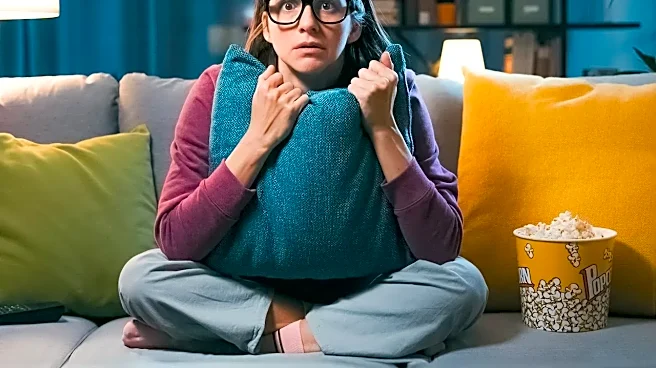
First, let's address the central paradox: watching something scary to feel safe. It sounds strange, but rewatching a familiar film or settling into a story with predictable beats provides a sense of control.
For viewers, especially those dealing with real-world anxiety, a horror movie offers a contained, manageable fear. You know the ghost will appear, but you also know you can pause, look away, or simply bask in the relief when the credits roll. Psychologists note that this process can reduce cognitive load; because you’re not working hard to follow a new plot, your brain can relax. This is why knowing the ending isn't a bug; it's a feature. The satisfaction comes not from being surprised, but from appreciating the craft of the journey—the masterful buildup, the subtle clues, and the inevitable, chilling conclusion. It transforms the experience from a simple shock into a form of stress-managing self-care.
Atmosphere Over Adrenaline
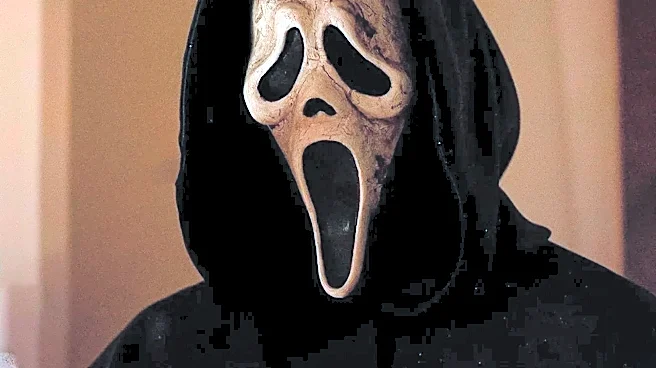
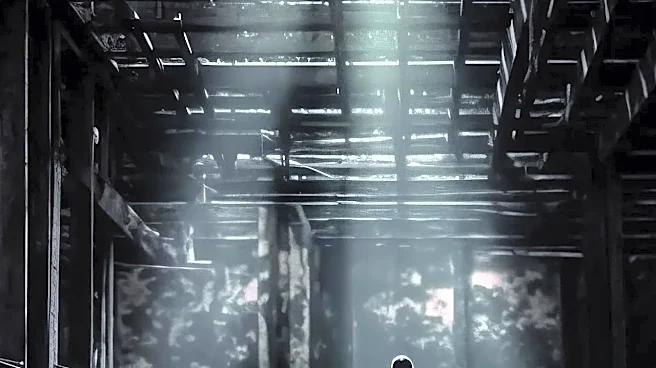
Modern blockbuster horror often relies on the jump scare—a quick, loud jolt designed to startle. Slow-burn ghost stories trade this cheap thrill for something far more lasting: dread. This style of horror is all about atmosphere, mood, and tension. It’s the difference between a firework and a candle; one is a brief, loud explosion, while the other provides a steady, permeating glow that changes the entire room. Slow-burn narratives let the horror simmer, building suspense gradually until it becomes almost unbearable. The fear doesn't just pop out at you; it seeps into your bones. This approach gives the audience time to let their own imagination do the heavy lifting, creating a more profound and psychological fear that sticks with you long after the story is over.
The Ghosts Are Really About Us
The most resonant ghost stories are rarely just about a spirit rattling chains in an attic. The haunting is often a powerful metaphor for something deeply human: grief, trauma, family secrets, or historical injustice. A slow-burn pace gives these complex themes the space they need to unfold and develop. Instead of just scaring us, these films want us to feel something on a deeper level. Think of popular series where the spectral presence is inextricably linked to the characters' unresolved emotional baggage. The deliberate pacing allows for rich character development, making the eventual horror more impactful because we've come to care about the people involved. The ghosts become manifestations of memory and loss, forcing both the characters and the audience to confront uncomfortable truths.
A Ritual for a Melancholy Season
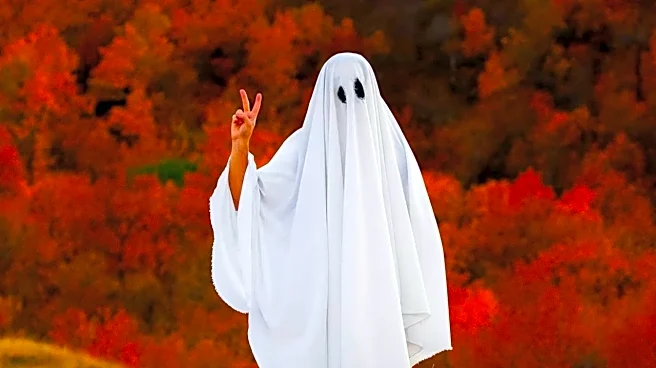
Finally, the appeal of these stories is intrinsically tied to the season itself. October and the broader autumn season are associated with transition, decay, and a sense of cozy melancholy. The aesthetic of a slow, atmospheric ghost story—draped in shadow, set in decaying manors or isolated landscapes—perfectly complements this mood. Choosing to watch these films becomes a seasonal ritual, as comforting and appropriate as a pumpkin spice latte or a crackling fire. It's a form of what some call "cozy horror," where familiar tropes and a certain emotional distance make the experience more comforting than terrifying. We aren't just watching a movie; we are curating an emotional experience that aligns with the world outside our window, making the fictional chill in the air feel right at home.