
From Script to Blueprint
It often starts with a simple line in a script: 'They fight.' But turning that phrase into a memorable sequence is the first job of a stunt coordinator. Long before the cameras roll, they collaborate with the director to transform a vision into a feasible
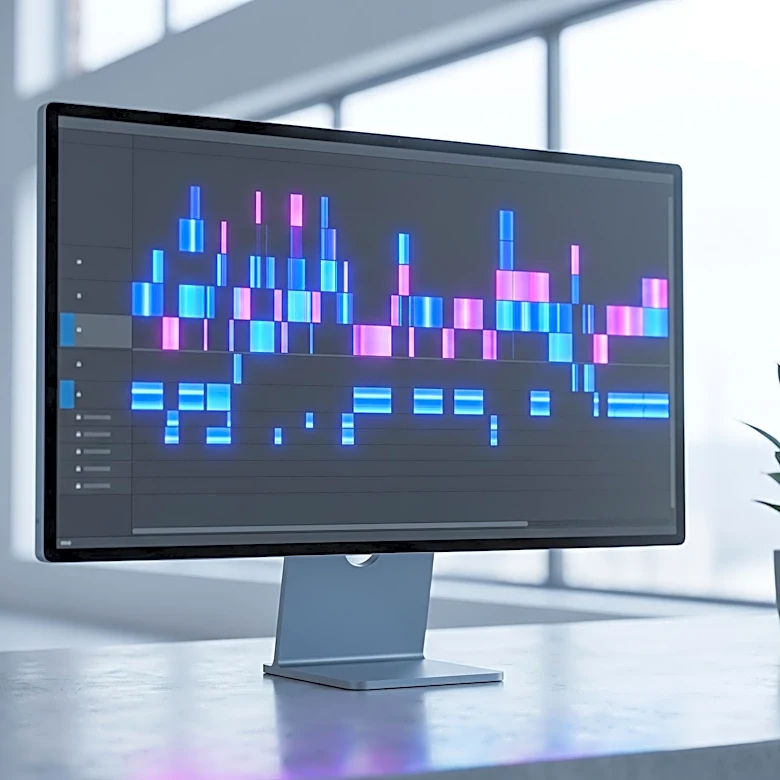
plan of action. This pre-production phase is a whirlwind of creative problem-solving, involving breaking down the script into physical beats and using pre-visualization tools like storyboards or animated mock-ups to map out every move. The goal is to create a detailed blueprint that not only looks spectacular but also serves the story. Is the character a trained assassin or a desperate person in their first-ever brawl? The coordinator designs the action to reflect that, ensuring every punch and fall has a narrative purpose.
The Science of Safe Mayhem
While audiences see danger, a stunt coordinator’s primary focus is the absolute opposite: safety. Their job is to create the illusion of risk while mitigating the reality of it. This process is a masterclass in risk assessment. Coordinators identify every potential hazard and implement rigorous safety measures, from specialized rigging and padding to extensive rehearsals. A stunt that lasts mere seconds on screen might be the result of days or weeks of careful preparation. Performers practice movements until they become second nature, and every piece of the environment is analyzed for its potential impact. This dedication to safety allows actors and stunt performers to commit fully to the action, knowing that a complex web of planning is there to protect them.
Choreography as Character
The best stunt work is an extension of character. A fight isn't just a fight; it’s a dialogue. The way a hero takes a punch, or how a villain moves with brutal efficiency, tells the audience who they are. Stunt teams on shows like last year's Emmy winner 'The Boys' have been lauded for creating action that reflects the cynical, gritty tone of its world. In contrast, the choreography on a show like 'Stranger Things,' nominated this year, must blend supernatural horror with the scrappy determination of its young heroes. Jahnel Curfman, a nominee for her work on 'Stranger Things,' has a background that includes doubling for A-list actresses, giving her insight into how to meld an actor's performance with a stunt performer's physicality to create one seamless, believable character on screen.
The Road to Recognition
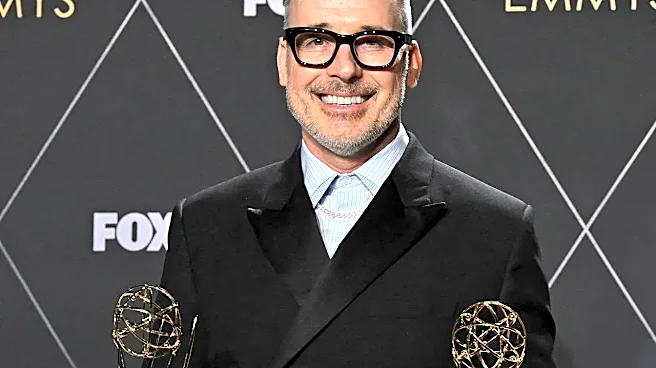
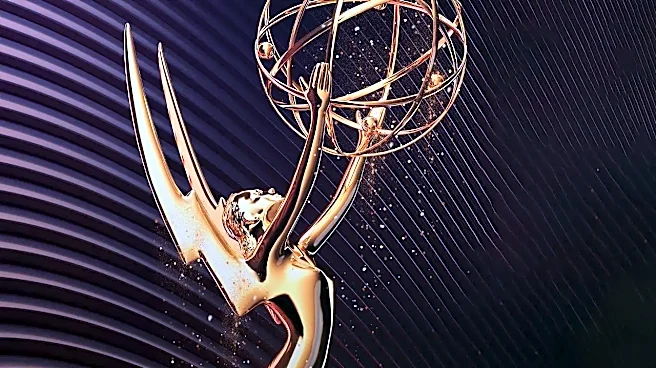
For decades, the artists behind screen action worked largely in the shadows. But the industry has been catching up. The Emmy for Outstanding Stunt Coordination, first awarded in the early 2000s, was a major step. In 2013, the category was split to separately honor dramas and comedies, acknowledging the different skills required for each genre. More recently, in 2021, a separate Emmy was created for Outstanding Stunt Performance, giving individual performers their own moment in the spotlight. These awards celebrate the craft's evolution and its essential role in modern television. Milestones like Shauna Duggins becoming the first woman to win the stunt coordination Emmy for her work on 'GLOW' have further highlighted the diverse talent shaping Hollywood’s most memorable action.