


Decoding the Cucinelli Uniform
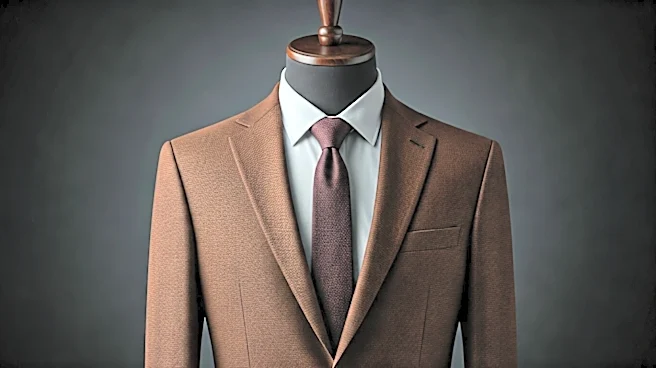
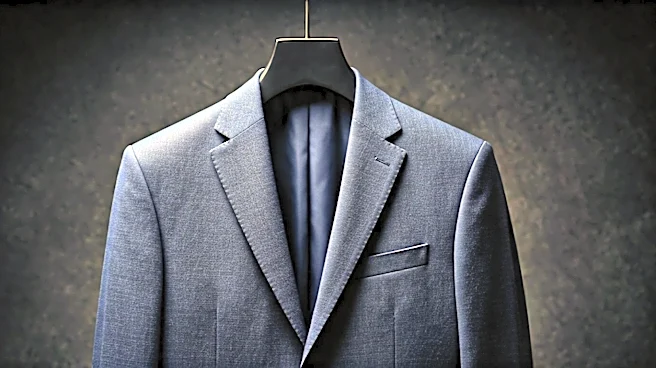
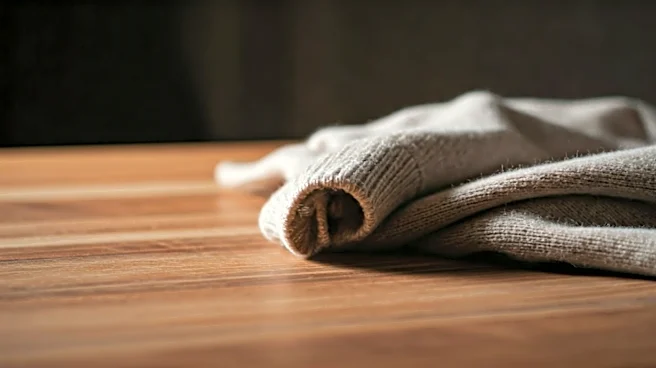
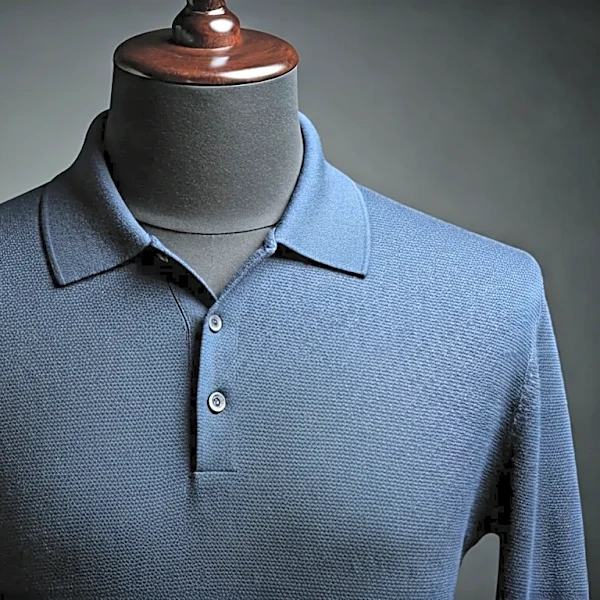
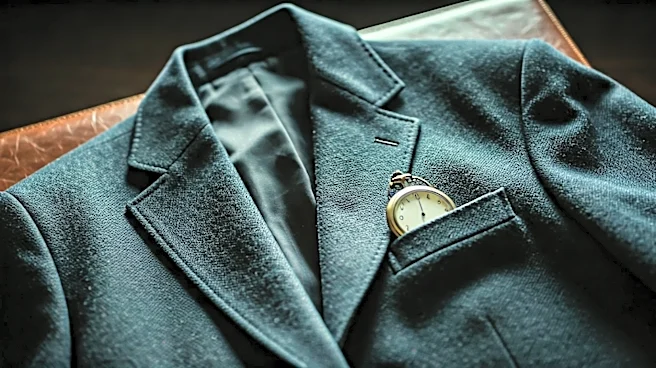
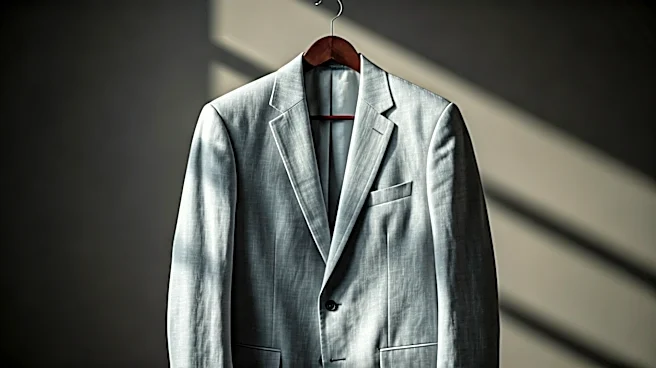
So, what exactly is this energy? Visually, it’s a masterclass in luxurious nonchalance. Think unstructured sport coats in cashmere or washed linen, worn over fine-gauge knitwear. Trousers are impeccably tailored but never tight, often in soft cotton or lightweight
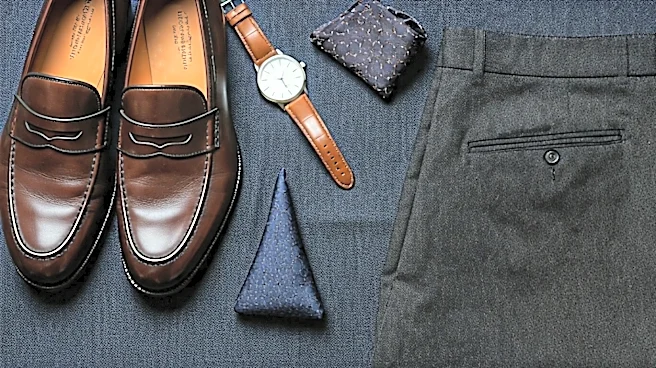
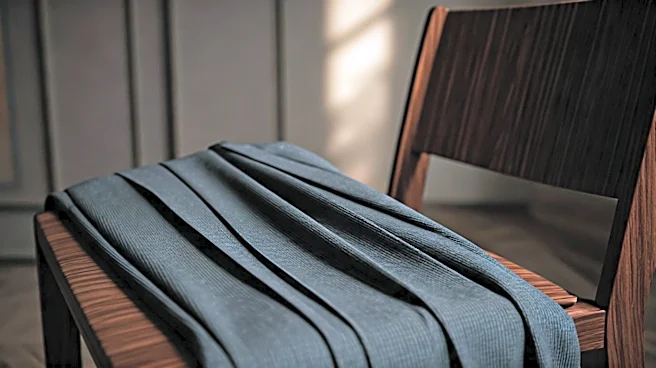
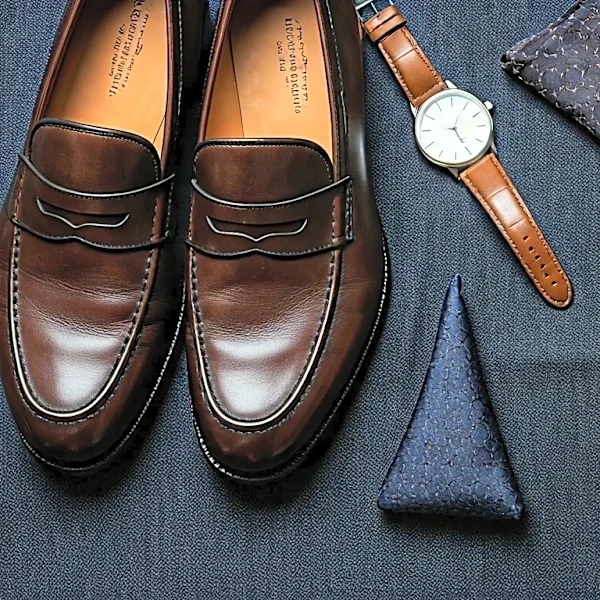
wool, with a gentle break over a pair of suede loafers (no socks, naturally). The color palette is the most obvious tell: a symphony of neutrals ranging from ecru and beige to shades of gray and soft brown, occasionally punctuated by a dusty blue. It’s a look that whispers, rather than shouts. There are no loud logos or flashy hardware. The luxury is communicated through the texture of the fabric, the drape of the garment, and the serene confidence of the man wearing it. It’s an aesthetic that suggests you just stepped off a Riva boat on Lake Como, even if you only just got off the subway.
The Pitti Uomo Proving Ground
Pitti Uomo, the twice-yearly menswear trade show in Florence, is the global stage for men’s style. For decades, it was famous for the “Pitti Peacocks”—men dressed in extravagantly colorful, attention-grabbing outfits. But in recent years, a quieter style has taken hold. As trend cycles accelerated and hype culture became exhausting, many of the industry insiders, buyers, and editors who attend Pitti sought a more timeless, sophisticated uniform. The Cucinelli aesthetic provided the perfect answer. It became a shortcut—a reliable formula for looking impeccably stylish, wealthy, and in-the-know without trying too hard. Adopting the palette and silhouettes is an instant signifier that you understand “sprezzatura,” the quintessentially Italian art of studied carelessness. In the high-stakes, highly photographed environment of Pitti, dressing in this style is a safe and powerful bet.
More Than Clothes: The Appeal of Soft Luxury
The rise of Cucinelli’s influence is perfectly timed with the broader cultural shift toward “quiet luxury” or “stealth wealth.” After years of logo-mania and streetwear dominance, consumers with significant disposable income are increasingly drawn to brands that signal taste through quality and subtlety, not branding. This movement is about investing in clothes that are beautifully made, feel incredible to wear, and will last for decades. It’s a rejection of fleeting trends in favor of an enduring personal style. Brunello Cucinelli is arguably the spiritual godfather of this entire movement. His clothes are the antithesis of fast fashion; they are designed to be cherished. This ethos resonates deeply in a post-pandemic world where many are re-evaluating their relationship with consumerism and seeking more meaning and longevity in their purchases.
The Philosopher King of Cashmere
You can’t separate the brand’s aesthetic from the man himself. Brunello Cucinelli, who founded his company in the tiny medieval hamlet of Solomeo, is as much a philosopher as he is a designer. He speaks of “humanistic capitalism” and the moral dignity of work, ensuring his employees are well-paid and work in a beautiful, restorative environment. He restored the entire village, building a theater, a library, and a school of arts and crafts. This deeply integrated philosophy infuses the clothing with a sense of purpose and soul. When someone buys a $4,000 Cucinelli cashmere blazer, they aren’t just buying a piece of clothing. They are buying into an idea of a better, more graceful way of living—one that values beauty, craftsmanship, and a harmonious relationship with the world. This narrative gives the brand an authenticity that imitators can’t replicate, even if they can copy the color palette.