




Defining the 'Waistline Fail'
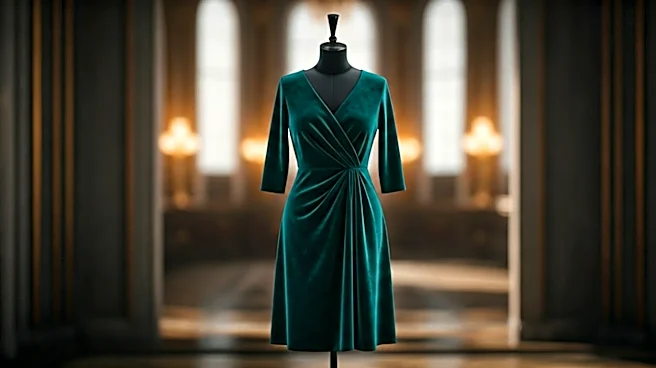
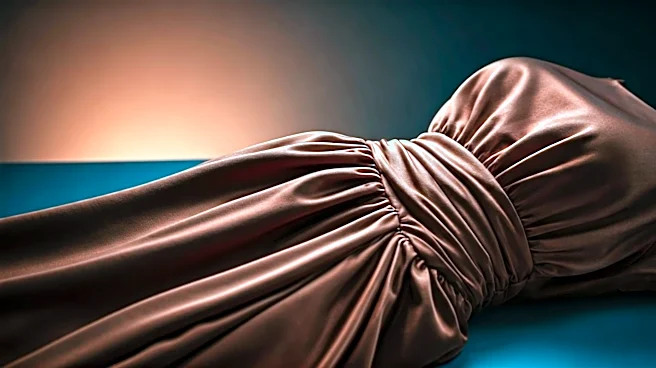
First, let’s be clear about what we’re seeing. It’s not just a case of an outfit being too tight or too loose. The 'waistline fail' is more specific. It’s the dress that bunches awkwardly above a belt, creating a puffy, unflattering shape. It’s the seam
that’s meant to define the torso but instead cuts across the body an inch too high or low, visually shortening the legs or thickening the midsection. It’s the beautifully made dress that, for some reason, looks frumpy and ill-proportioned on its wearer, despite the astronomical price tag. You see it on celebrities, socialites, and even royals. It’s a persistent flaw that seems to defy the very purpose of high-end formalwear: to make the wearer look elegant and polished.
The Obvious Suspects (And Why They're Not the Whole Story)
The easy explanation is simply poor fit. After all, ready-to-wear clothing is designed for a standardized 'fit model,' not for the infinite variations of the human body. One person’s natural waist is another’s ribcage. This is true for any outfit, on any day. But the sheer prevalence of this issue at Ascot suggests something more is at play. These are not fast-fashion frocks; attendees often spend thousands of dollars on their ensembles. Many work with stylists. So why does this one particular problem—the waistline—plague this one particular event with such consistency? The answer isn't just about individual fit; it’s baked into the very fabric of Royal Ascot itself.
The Real Culprit: The Dress Code's Iron Grip
The hidden reason is the famously stringent Royal Ascot Style Guide. While designed to maintain decorum and elegance, its rigid rules create an unintentional trap that puts immense pressure on a single point of an outfit: the waist. For attendees in the Royal Enclosure, the rules are non-negotiable. Dresses and skirts must be of 'modest length,' defined as falling just above the knee or longer. Crucially, straps on dresses and tops must be at least one inch wide. Strapless, halter-neck, spaghetti strap, and off-the-shoulder styles are strictly forbidden. This combination of a conservative hemline and a conservative neckline is the source of the problem. It systematically removes the design tools that fashion creators use to balance a silhouette.
How the Rules Create a Proportion Nightmare
Think about how modern dresses work. A designer might use a daring neckline, a shorter hem, or clever cutouts to draw the eye and create an illusion of length or shape. These tricks help balance proportions, especially if the waist of a dress doesn’t sit perfectly. But at Ascot, those tools are banned. The mandated one-inch straps create a blocky, solid top half. The knee-length-or-longer skirt create a heavy bottom half. With both the top and bottom of the silhouette so heavily prescribed, the waist becomes the *only* feature left to define the wearer’s shape. There’s no distraction. If the dress’s waistline doesn’t align perfectly with the wearer’s natural waist, the entire look collapses into a disproportionate column. The eye immediately sees where the garment’s structure is fighting the body underneath it.
The Ready-to-Wear Trap
This is where the ready-to-wear dilemma becomes a crisis. Most women buy their Ascot dresses off the rack. A designer creates a size 6 dress for a model who is 5'9" with a specific waist-to-hip ratio. But the person buying that dress might be 5'5" with a shorter torso. On a normal day, she might choose a different style that’s more forgiving. But for Ascot, she’s forced to pick from a limited pool of rule-compliant dresses. The chosen dress might have its waist constructed two inches lower than her natural waist. When she puts it on, she gets the dreaded bunching and pulling. To fix it requires significant—and expensive—tailoring to essentially rebuild the dress's core structure. Without it, she’s stuck with a beautiful, costly garment that is practically guaranteed to fail at its most critical point.