

1. The Hyper-Specific World
Forget the generic office or family home. This season's comedies are burrowing into peculiar, hyper-specific subcultures. The creators of CBS’s new supernatural comedy 'Eternally Yours' built a world around centuries-old vampires navigating modern marital
ennui. This approach isn't just for supernatural shows; Fox's 'Universal Basic Guys' explores the lives of two brothers whose factory jobs are replaced by AI, creating a comedy out of forced leisure in a blue-collar town. By building a show around a unique, contained world—be it a Seattle vampire coven or a post-work industrial town—writers can generate humor and stories that feel entirely fresh. The setting becomes a character in itself, providing a reliable engine for plots that couldn't happen anywhere else. This choice signals confidence: the show isn't trying to be for everyone, but it will be everything to its target audience.
2. The Dramedy Bait-and-Switch
Many new shows are blurring the line between comedy and drama, often leaning into what could be called the 'trauma-comedy'. A show might be marketed with a light, funny premise, but it quickly reveals a core of serious emotional struggle. This isn't a new trend, but this fall's premieres are more direct about it. Imagine a show like 'Grief-splaining', a fictional premiere about a woman who starts an irreverent podcast after a sudden loss. The humor comes from her awkward, often inappropriate, attempts to intellectualize her pain. This writing choice aims to create a deeper character connection. The laughter provides relief from the tension, making the dramatic moments hit even harder. It’s a risky move—get the balance wrong, and it feels tonally jarring—but when it works, it creates a show with a powerful, resonant voice that lingers long after the credits roll.
3. The High-Concept Premise
The classic sitcom setup—friends in an apartment, a family in the suburbs—is being pushed aside for bigger, weirder ideas. A high-concept premise takes a 'what if' question and runs with it for 22 minutes. 'Eternally Yours' asks, 'What if a 500-year-old vampire couple went to marriage counseling?' These premises are writing choices that do the heavy lifting, establishing the show's entire comic engine from the first scene. The jokes and character dynamics all flow naturally from the central, often absurd, idea. This choice is a bet that a killer hook is more valuable than a relatable setting. It allows writers to explore familiar themes like relationships and work through a completely original lens, making old problems feel new again.
4. The Ensemble With No 'Straight Man'
Traditionally, sitcoms feature a 'straight man'—a relatable, grounded character who reacts to the zaniness of those around them, acting as an anchor for the audience. But a bolder choice gaining traction is to populate a show entirely with eccentrics. Think of a hypothetical sitcom like 'Committee of Chaos', set in the world's most dysfunctional neighborhood association, where every member is more delightfully unhinged than the last. In this model, the role of the 'straight man' is passed around, or sometimes given to the audience itself. The humor arises from the clash of multiple, equally strange worldviews. This choice creates a more chaotic and unpredictable energy, demanding that the audience keep up. It’s a vote of confidence in the joke-writing and the performers' ability to make their characters compelling, not just quirky.
5. The Throwback Multi-Cam Format
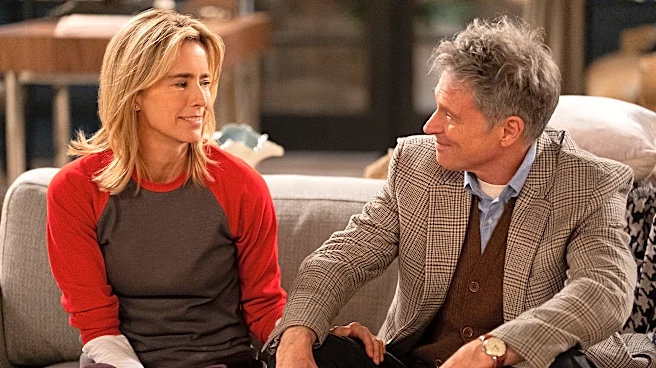
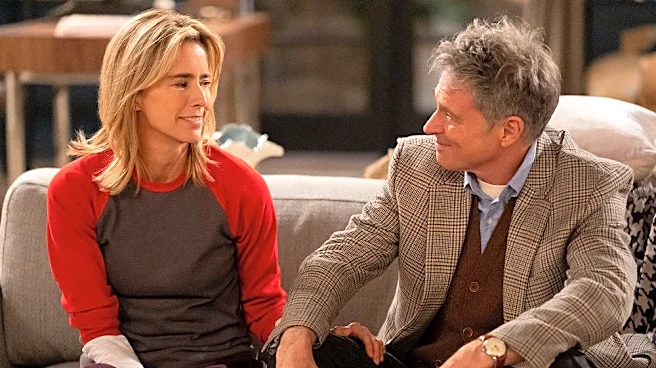
In an era dominated by single-camera, cinematic comedies, a surprising choice is to go old-school. NBC's 'Newlyweds', starring real-life couple Téa Leoni and Tim Daly, is a traditional multi-camera sitcom filmed in front of a live studio audience. This isn't just a nostalgic gimmick; it's a deliberate writing choice. The multi-cam format demands a different kind of joke—one built for rhythm, setup, and punchline, designed to elicit an immediate group reaction. The writing becomes tighter, more theatrical. For 'Newlyweds', which centers on a later-in-life romance, the format provides a comforting, classic feel that complements its subject matter. Choosing a multi-cam setup in 2026 is a statement: it prioritizes the immediate, shared joy of laughter over the quiet, observational humor that has defined the genre for the past decade.
6. The Reboot With a New Perspective
Reboots and revivals are nothing new, but the most interesting ones make a specific writing choice to reinterpret the original, not just repeat it. Netflix’s revival of 'A Different World' returns to Hillman College but focuses on the daughter of original characters Dwayne and Whitley. This choice allows the new series to honor its legacy while telling a contemporary story about a new generation. Similarly, 'The Varnell Hill Show' on Paramount+ spins off a side character from the '90s sitcom 'Martin', placing him in the modern media landscape. The voice comes from the tension between the old and the new. It asks what happens when a beloved character or world is confronted with the values and challenges of 2026. The humor isn’t just in the callbacks; it’s in the commentary on how much things have—and haven't—changed.