







Beyond the Big Screen Sports Bar
The "Soccer Cup," whether it's the World Cup, the Euros, or Copa América, presents a classic American paradox. It’s a global phenomenon that fills our screens, yet it can feel abstract, a spectacle of unfamiliar flags and anthems playing out in distant
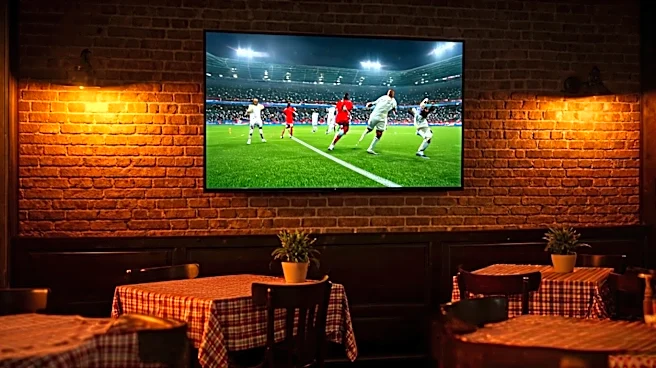
time zones. The default way to engage is often a cavernous sports bar, where dozens of TVs show a dozen different games and the audio is a generic blur. But there's a more vibrant, authentic way to connect with the beautiful game. It exists in the small, family-run restaurants tucked away in neighborhoods across the country. These are the places where the tournament isn't just a broadcast; it's a homecoming. When you step inside, you leave America for an hour and a half and enter a little slice of Accra, Buenos Aires, or Lisbon. The game on the screen is the same, but the experience is infinitely richer.
The Neighborhood’s Temporary Embassy
During a major tournament, a city’s Mexican taquerias, Brazilian churrascarias, and Senegalese bistros transform. They become de facto community centers, town squares, and temporary embassies of national pride. The owners might squeeze in an extra TV, hang flags from the ceiling, and prepare special game-day menus. But the real magic comes from the people who fill these spaces. Generations of families, recent immigrants, and lifelong locals pack in, shoulder-to-shoulder, sharing a collective hope. The air crackles with a tension you can’t find anywhere else. You’ll hear gasps, prayers, and instructions shouted at the screen in Spanish, Portuguese, or Wolof. It’s a full-sensory experience: the smell of grilling meat, the sight of jerseys from forgotten tournaments, and the sound of a community holding its breath together. It’s here that a simple soccer match becomes a powerful expression of identity and belonging.
A Taste of Victory (or Consolation)
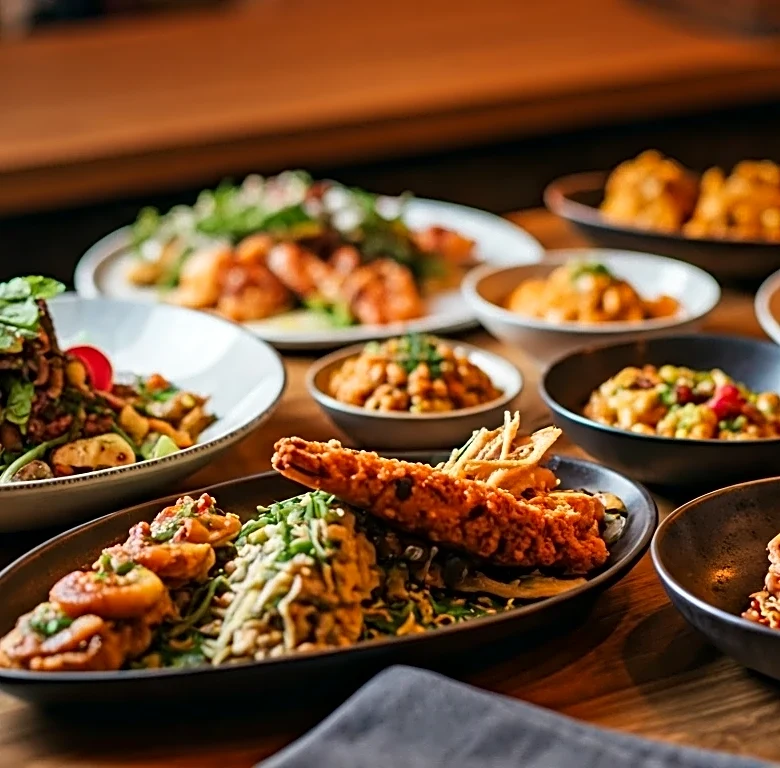
The food itself is central to the ritual. It’s not just sustenance; it's a connection to home and a key player in the day's superstitions. For Argentinian fans, it might be the pre-game empanadas and the promise of a post-victory asado. For the English diaspora, it’s a full breakfast with bangers and beans, no matter the kickoff time. At a Nigerian spot, a spicy plate of jollof rice and suya might be the fuel needed to will the Super Eagles to victory. These dishes are comfort food in the truest sense. A win is celebrated with a shared feast, a culinary toast to national glory. A loss is soothed by the familiar flavors of home, a reminder that even in defeat, the community and its culture endure. Eating a nation’s food while watching its team play is a profound act of solidarity, a way of tasting the collective joy or sorrow.
How to Find Your Tournament Spot
So, how do you find one of these magical places? It requires a little more effort than searching "sports bar near me." Start by thinking about your city’s neighborhoods. Where are the vibrant immigrant communities? Look for the Brazilian enclaves in Newark, the Mexican-American hubs in Los Angeles, or the pockets of Little Italy that still buzz with Azzurri pride. Then, go analog. Walk through those neighborhoods and look for the flags in the windows, the hand-written signs advertising game-day specials, or the crowds spilling onto the sidewalk. Ask a vendor at a local market where they’re planning to watch. Social media can also be a guide; search for team names along with your city on Instagram or Facebook to see where fan groups are planning to gather. The goal isn't just to find a screen, but to find a home team's home away from home.