




The Allure of the Blank Canvas
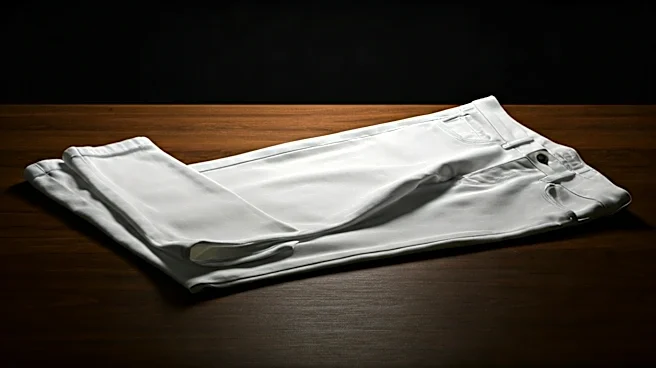
For one camp of designers, white jeans represent the ultimate minimalist challenge. They are a blank slate, a pure form that forces the fundamentals of design to the forefront. When you strip away the distractions of a dark wash, distressing, or complex
coloring, all that’s left is silhouette and construction. A perfectly executed pair of white jeans is a testament to a designer’s mastery of cut. Think of the crisp, wide-leg trousers seen in high-end resort collections or the perfectly tailored straight-leg jeans that anchor a monochromatic look. In this view, white denim isn't just clothing; it's a piece of wearable architecture. It evokes a sense of effortless luxury, conjuring images of yacht decks, Mediterranean holidays, and the kind of carefree lifestyle where a potential stain isn't a primary concern. For designers who champion clean lines and sophisticated simplicity, white jeans are a non-negotiable element of a polished wardrobe.
A Practical and Unforgiving Foe
Then there’s the other side. For every designer who sees a blank canvas, another sees a practical nightmare and a design trap. The arguments against white jeans are as obvious as they are compelling. First, there's the notorious impracticality. They are famously susceptible to stains, from a drop of wine to a smudge of city grime, making them a risky choice for everyday life. But the design-level critiques run deeper. White is an unforgiving color. It has a tendency to highlight every lump, bump, and wrinkle, both in the fabric and on the wearer. Choosing the right fabric is a massive challenge; too thin, and it’s see-through and cheap-looking; too thick and stiff, and it loses all elegance and becomes unflattering. This is why many mass-market white jeans fail. The quest for the perfect, opaque, flattering, and comfortable white denim is a notoriously difficult one, leading many designers to simply avoid the headache altogether.
The Weight of Outdated Rules
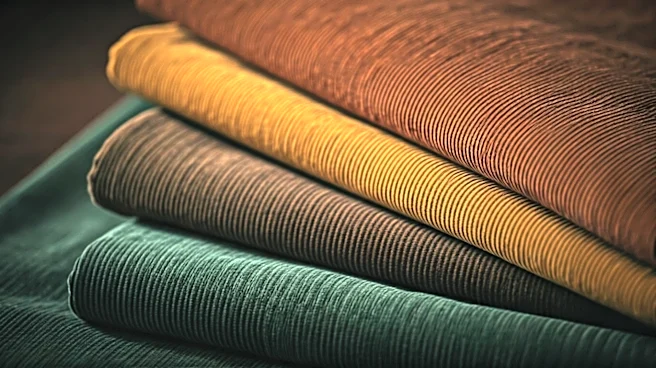
Beyond the technical aspects, white jeans are weighed down by cultural baggage, most famously the old-school edict: “No white after Labor Day.” This rule, rooted in the early 20th-century class distinctions between city and resort wear, has long been a point of contention. Some traditionalist designers and stylists tacitly uphold this sense of seasonality, viewing white denim as strictly a summer fabric. However, a much larger, more modern contingent sees this rule as an archaic constraint ripe for subversion. For them, designing and promoting “winter white” jeans—often in creamier, off-white shades and heavier fabrics like corduroy or wool-blended denim—is a deliberate statement. It’s a way of declaring that style should be dictated by personal taste and context, not by an outdated calendar. This disagreement isn't just about color; it's a proxy war over the very nature of fashion rules and who gets to make them.
The Modern Compromise: It’s All About Nuance
Today, the debate has largely evolved from a simple “yes or no” to a more nuanced conversation about “how.” Most senior designers would agree that a successful white jean depends entirely on the execution. The new consensus is that there isn't one ideal “white jean,” but a spectrum of possibilities. The focus has shifted to the specifics. Is the cut a relaxed straight-leg, a dramatic flare, or a sharp cropped style? Is the color a stark optic white, a soft ivory, a creamy ecru, or a rustic natural canvas? Is the hardware silver, gold, or tonal? This modern approach treats white jeans not as a monolithic category, but as a versatile tool. By manipulating shade, fabric, and fit, a designer can create a white jean for any season, occasion, or aesthetic, effectively ending the old binary argument and opening up a world of more sophisticated choices.