






A Secret from the Silver Screen
The story doesn't start on a beauty counter, but under the hot, unforgiving lights of 1920s film sets and vaudeville stages. Actresses of the silent film era relied on heavy, dramatic makeup—kohl-rimmed eyes, powdered pale skin, and stark Cupid's bow
lips. But under intense studio lighting, this makeup, often made of greasepaint, would melt and smudge. While a dedicated "setting spray" didn't exist, performers and makeup artists used rudimentary fixatives to make their looks last. These weren't fancy formulas; they were often DIY concoctions. Historical accounts mention homemade solutions of petroleum jelly mixed with soot for mascara or even simple glycerin and rosewater used as a facial mist to give makeup some staying power. The goal was the same as it is today: to keep a meticulously applied face from sliding off under pressure.
From Stage Hack to Consumer Staple
For decades, makeup fixatives remained a niche product, largely confined to the world of professional theater and film. Early commercial versions that emerged around the 1970s were often described as being like "hairspray for the face"—effective, but heavy and sealing. The real shift happened in the 2000s, when cosmetic company Skindinavia introduced a new kind of formula. Inspired by seeing a woman's makeup melt poolside in Miami, founder Allen Goldman developed a spray based on a cooling technology that helped prevent makeup breakdown from heat. This innovation turned setting spray from an industrial-strength theatrical tool into a lightweight, breathable product for everyday consumers. Brands like Urban Decay later partnered with Skindinavia to create their now-legendary All Nighter setting spray, and the category exploded.
The Science of Staying Put
So, what makes a modern setting spray sweat-resistant? It's all about cosmetic chemistry. The real workhorses are ingredients called film-forming polymers. When you mist the spray over your face, the solvent (often water or a type of alcohol) evaporates, leaving these polymers behind. They link together to create a flexible, invisible net or film over your makeup. This film acts as a shield, holding pigments in place and providing a barrier against sweat, humidity, and oil that would normally cause your foundation to melt or your eyeshadow to crease. Think of it as a breathable, weightless coat of armor for your face, ensuring your makeup remains transfer-proof for hours.
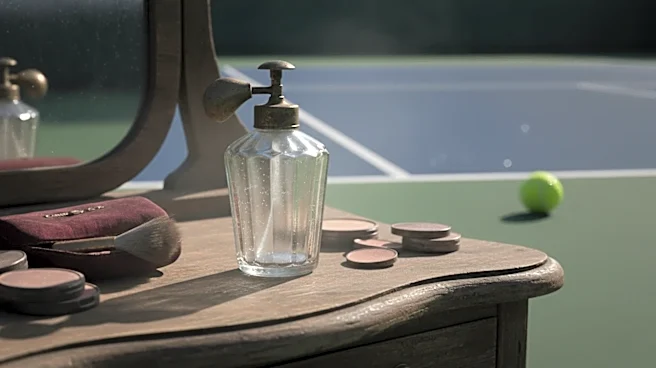
The Ultimate Test: Centre-Court Polish
The effectiveness of today's high-performance setting sprays is perhaps best demonstrated by those who push them to their limits: athletes. In what some are calling a "golden age for women's sports," makeup is increasingly seen as a tool for self-expression and confidence on the field, court, and gym floor. Brands like Milani and Urban Decay have launched campaigns with top athletes, including WNBA stars Sabrina Ionescu and Cameron Brink, and Olympic gymnast Jordan Chiles, highlighting how setting sprays help their makeup endure through intense competition. WNBA player Lexie Hull even co-founded her own cosmetics brand, FORTA, after being frustrated with makeup that couldn't survive a professional basketball game. From synchronized swimmers using it to keep their performance makeup flawless in the water to gymnasts sticking a perfect landing, setting spray has become the ultimate test of cosmetic endurance.