





From 'Waka Waka' to 'Dreamers'
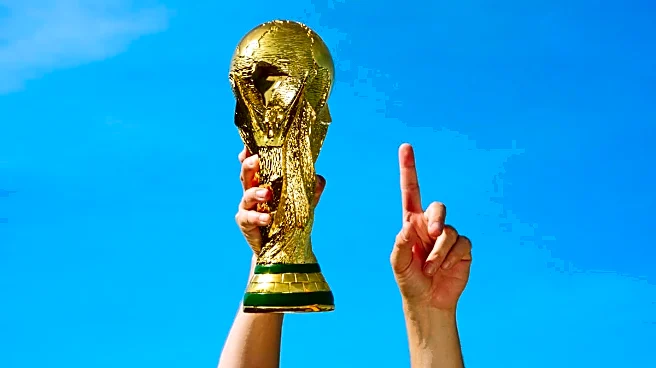
Not long ago, a tournament anthem was a pleasant, if often forgettable, part of the background noise. While Ricky Martin’s “La Copa de la Vida” made a splash in 1998, the game truly changed in 2010. Shakira’s performance of “Waka Waka (This Time for Africa)”
for the South Africa World Cup became a global phenomenon, with its video racking up billions of views. It set a new precedent: the tournament song could be as big as the tournament itself. This formula has been refined ever since. The 2014 World Cup in Brazil featured Pitbull and Jennifer Lopez, and by Qatar 2022, the strategy had fully globalized. The opening ceremony included a performance by Jungkook, a member of the K-pop group BTS, ensuring the event captured the attention of a massive, digitally-native fanbase that might not have otherwise tuned in.
The Super Bowl Halftime Model
The opening and closing ceremonies of major soccer tournaments now feel like miniature Super Bowl halftime shows. They are meticulously produced, star-studded affairs designed for a global television audience. At the recent Copa América in the United States, Colombian artist Feid was the headliner for the opening ceremony in Atlanta. Similarly, Euro 2024’s official song, “Fire,” was a collaboration between Italian producers Meduza, American band OneRepublic, and German singer Leony, reflecting a pan-European and transatlantic appeal. Organizers are clear about their intentions. Alejandro Domínguez, the president of CONMEBOL, stated that involving artists like Feid is a deliberate strategy to make the Copa América an “unforgettable, vibrant tournament.” This approach acknowledges that modern sports are entertainment brands competing for global attention.
A Win-Win for Artists and Organizers
The partnership is a powerful symbiotic relationship. For the artists, the platform is unparalleled. Performing at a World Cup final offers access to a live broadcast audience that can approach 1.5 billion people—a level of exposure no single concert tour can match. This was evident with Jungkook's performance in 2022 and will be on display at the 2026 World Cup, where a first-ever Super Bowl-style halftime show is planned for the final, featuring megastars like Madonna, Shakira, and BTS. For tournament organizers like FIFA, the benefits are just as significant. Partnering with A-list musicians allows them to tap into new demographics, particularly younger audiences who follow pop culture as much as they follow sports. A star’s social media post can generate millions of interactions, extending the tournament's reach far beyond the pitch.
The Future of Sports Entertainment
This trend shows no signs of slowing down; in fact, it's accelerating. FIFA has even launched its own program, FIFA Sound, with the explicit goal of connecting with audiences through the “shared passions of football and music.” The 2026 World Cup, co-hosted by the U.S., Canada, and Mexico, is leaning heavily into this strategy. Opening festivities kicked off with performances from a diverse lineup including Shakira, Burna Boy, J Balvin, and Alanis Morissette across the host nations. While not every tournament song becomes a runaway hit—some have noted that Shakira's 2026 return with "Dai Dai" hasn't yet captured the magic of "Waka Waka"—the underlying strategy is here to stay. The fusion of sport and pop music creates a bigger, more inclusive cultural moment that transcends the final score.