


The Obvious Read: A High-Fashion Power Move
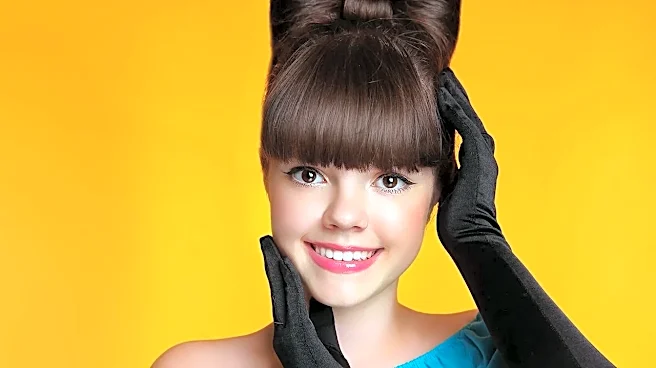
On the surface, blunt bangs project an image of precision and power. The style is defined by its sharp, clean line, creating a dramatic and high-impact look that frames the face and highlights the eyes. It’s a hairstyle that commands attention, often
associated with high-fashion runways and a certain brand of daring, main-character energy. Unlike softer, wispier styles like curtain bangs, the blunt cut feels intentional and structured. This has led to the common perception that the person wearing them is equally bold, confident, and maybe a little intimidating. It’s a look that suggests decisiveness, a quality that seems to align with a polished, modern, and determined personality. The aesthetic is undeniably chic, but this interpretation only scratches the surface.
The Deeper Cut: An Act of Control in a Chaotic World
Psychologically, a significant hair change often symbolizes a desire for personal reinvention or a fresh start. Getting bangs, in particular, has become a well-known trope for someone navigating a period of emotional turmoil or transition. It's a way of making a tangible change when other aspects of life feel out of control. While any new haircut can serve this purpose, blunt bangs are a particularly potent choice. They are not a subtle tweak. Getting them is a commitment that requires frequent trims and navigating an often-awkward grow-out phase. In an era of filters and fleeting trends, this high-commitment style can represent a deliberate choice to exert authority over one’s own image. It's an announcement to oneself and the world that something has changed.
A Frame for the Self: Hiding and Highlighting
Bangs function as a literal frame for the face, but they play a complex psychological role. By covering the forehead, they can create a sense of protection or a partial mask, allowing the wearer to feel shielded while simultaneously drawing more intense focus to their eyes. This duality is key to understanding their appeal. A hairstyle is one of the most visible forms of self-expression, a way to communicate personality and individuality without saying a word. For some, blunt bangs are a way to project a strong, artistic, or alternative identity. For others, they might be a comforting shield, a way to hide perceived imperfections or simply feel more contained and secure in their own skin.
The Nostalgia Effect: A Nod to the Past
The history of bangs stretches from ancient Egypt to 1920s flappers and '70s rock stars. This rich past means that for many, bangs are steeped in nostalgia. A blunt fringe can evoke memories of childhood haircuts, a specific pop culture icon, or a bygone era perceived as simpler or more authentic. In a world saturated with complex and ever-changing beauty standards, adopting a classic, almost rudimentary style like a straight-across fringe can feel grounding. It’s a return to something known and understood. The American term “bangs” itself comes from the equestrian world, describing a horse's tail cut bluntly, or “bang-off.” This slightly rustic origin story adds another layer, connecting the sharp, modern cut to a timeless, straightforward practice.