



The Dress That Launched a Thousand Headlines
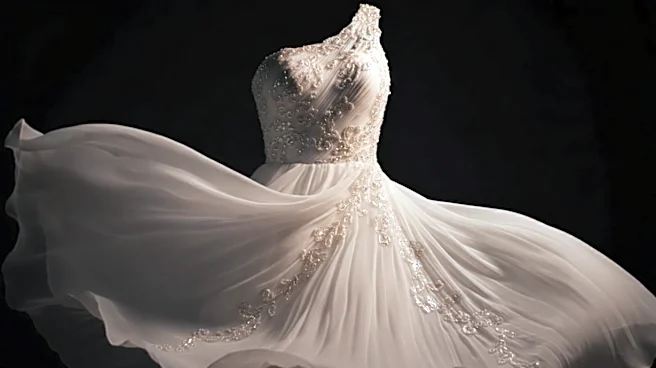
The moment Michelle Obama appeared in the ethereal white chiffon gown, a star was born—and it wasn't just the new First Lady. The dress, adorned with organza petals, beads, and Swarovski crystals, was the work of Jason Wu, a 26-year-old designer who was,
at the time, largely unknown outside of niche fashion circles. The selection catapulted him from a promising young talent to a global household name overnight. Before that evening, Wu was working out of a small studio in New York, and like the rest of the world, he had no idea if his dress would be chosen. He was at home with friends, watching the coverage on TV, when his creation appeared on screen, instantly becoming a symbol of a new era in American style and politics.
An Audacious Gamble
The gown's existence was anything but guaranteed. It wasn't commissioned by the inaugural committee or the First Lady's team. Instead, it was a speculative creation—a massive gamble. Wu, who had been designing under his own label for just a few years, decided to pour his limited resources into crafting a gown fit for a First Lady, with no assurance it would ever be seen, let alone worn. This was not a simple task. The intricate, handmade details required immense time and effort from his small team. While simultaneously preparing his upcoming Fall 2013 collection, a stressful and expensive endeavor in itself, Wu dedicated his studio to this passion project. The decision to create a couture-level gown on faith, hoping it would simply get noticed in a sea of submissions from the world's top designers, was an enormous risk for his fledgling brand.
The 'Almost Wasn't' Moment
The real drama behind the dress wasn't a single runway mishap, but the sheer unlikelihood of its creation and selection. The phrase "almost wasn't" applies to the entire endeavor. Wu was a young immigrant from Taiwan with a dream, operating on a tight budget. The intense labor and cost of creating the unsolicited gown, while also managing his main collection, put a significant strain on his small company. For a young designer, such a project could have been a financial dead end. He and his team were still working late into the night on their seasonal collection on inauguration night itself, only stopping to watch the broadcast. Had he been more pragmatic, more cautious, or less willing to take the leap, the dress that now hangs in the Smithsonian would never have been made at all.
From a Sketch to the Smithsonian
The gamble paid off spectacularly. Michelle Obama later recalled that she wanted to elevate a young, new designer and that Wu's story resonated with her. When she tried on the gown, she knew instantly it was the one, noting how light and fluid it felt—a necessity for a night that involved attending ten different balls. Wu's design was praised for being both modern and timeless, elegant and hopeful. It perfectly captured the spirit of the moment. Just over a year later, in a ceremony with Wu by her side, Mrs. Obama donated the gown to the National Museum of American History, where it joined the First Ladies collection. The dress that began as a high-stakes dream from a small New York studio is now a permanent piece of American history, representing a fairytale moment where talent and tenacity met opportunity on the world's biggest stage.