







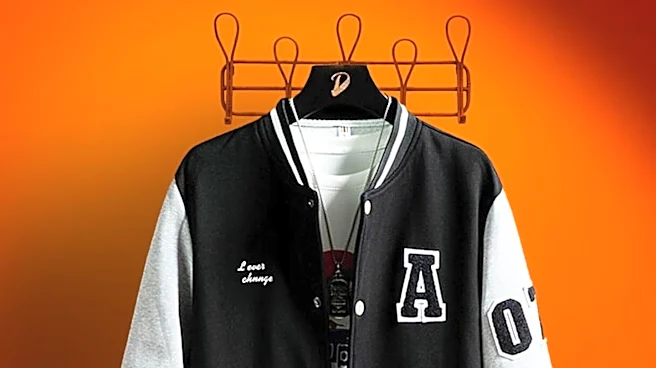
So, What Exactly Is a Tricot Shell?
You’ve probably worn tricot without even realizing it. At its core, tricot is a type of warp-knit fabric, typically made from polyester. Unlike simpler knits where threads loop in horizontal rows, a warp knit involves numerous threads looping vertically
in a zigzag pattern. This unique construction method is what gives tricot its defining characteristics: a smooth, slightly shiny face on one side and a more textured, ribbed back on the other. This structure makes the fabric inherently durable and, most importantly, resistant to running or unraveling if it gets snagged—a huge plus for activewear. When used as the outer 'shell' of a jacket, it creates a lightweight but resilient layer.
The Secret Weapon: Stretch Without Sloppiness
Versatility in a tennis jacket means it has to perform across a range of conditions and activities. A key part of that is freedom of movement. This is where tricot’s knit structure shines. The zigzag interlooping of the threads gives the fabric excellent crosswise stretch, moving with your body as you serve, volley, and sprint across the baseline. However, it maintains lengthwise stability, meaning the jacket won't easily sag, stretch out of shape, or become baggy over time. This creates a garment that allows for a full range of motion without the sloppy, overly relaxed fit of some other materials, striking a crucial balance between flexibility and a polished look.
From the Court to the Coffee Shop
A truly versatile jacket isn’t just for warming up; it’s for the entire journey. Tricot shells excel here. The fabric is lightweight, making it easy to layer over a polo or long-sleeve top without feeling bulky. Many tricot jackets also feature a soft-brushed backing, which provides a comfortable layer of insulation against a cool morning breeze without the heavy, heat-trapping nature of a fleece jacket. This allows for better temperature regulation. Aesthetically, the smooth face of the fabric gives it a clean, athletic look that fits in just as well off the court, embodying the popular 'athleisure' trend.
Why It Beats Other Common Fabrics
When shopping for a warm-up, you’ll often see alternatives like fleece or basic woven polyester. While fleece is warm, it can be bulky, slow to dry, and can sometimes feel restrictive during intense movement. Standard woven shells, while often wind-resistant, typically have very little natural stretch unless blended with spandex, which can affect the fabric's durability. Tricot offers a best-of-both-worlds scenario. It provides lightweight warmth from its brushed backing, superior movement from its knit structure, and the durability and snag-resistance that many other knits lack. It’s a performance-oriented fabric that doesn't sacrifice comfort or style.