


The Nancy Meyers Blueprint
When TikTok user Lex Nicoleta coined the term “Coastal Grandmother” in 2022, she gave a name to a look many already knew and loved. It’s the world of a Nancy Meyers film: think Diane Keaton in Something’s Gotta Give, swathed in white, navigating a stunning
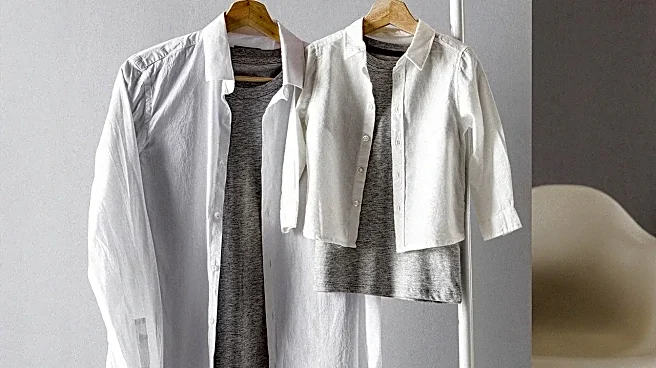
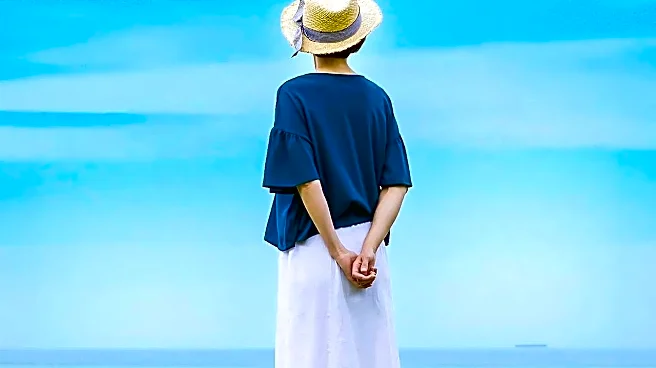
Hamptons beach house with a glass of wine. The aesthetic is built on a foundation of comfort, quality, and an aspirational sense of ease. It suggests a life of slow pleasures: gardening, reading, and hosting friends for simple, elegant meals. The uniform consists of cashmere sweaters, crisp button-down shirts, linen pants, and maybe a bucket hat for a walk on the beach. The homes are just as important, filled with natural light, neutral colors, slipcovered furniture, and fresh flowers. This vision of a relaxed, refined life captured the post-pandemic mood perfectly, offering an escape into a world of understated luxury and timeless style.
Beyond the Big Screen
But to say Nancy Meyers invented this look is like saying the person who names a star also created it. The Meyers aesthetic itself is a descendant of an earlier, more foundational style movement: 1990s minimalism. Before the cozy, layered luxury of the Hamptons beach house became a cultural touchstone, a different kind of pared-down elegance was taking hold in fashion. As a direct reaction to the loud, logo-heavy excess of the 1980s, designers in the '90s began stripping fashion back to its essentials. This wasn't about austerity; it was about elevating simplicity. The focus shifted from overt branding to the quality of the fabric, the precision of the cut, and the confidence of the wearer. This quiet revolution laid the philosophical and stylistic groundwork for the Coastal Grandmother decades later.
The Quiet Revolution of 90s Minimalism
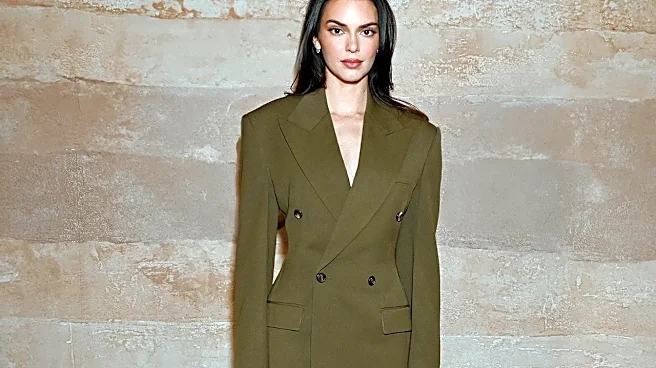
The titans of '90s minimalism—designers like Calvin Klein, Jil Sander, Helmut Lang, and Donna Karan—championed a new uniform. It was built on a restrained color palette of black, white, gray, and beige. Silhouettes were clean and uncomplicated: slip dresses, tailored trousers, simple tank tops, and perfectly cut blazers. Luxury was communicated through feel, not flash. Sumptuous cashmere, fluid silks, and crisp poplins became the new status symbols. Perhaps no one embodied this better than Donna Karan with her revolutionary "Seven Easy Pieces" concept in 1985, which provided women with a versatile, interchangeable wardrobe of high-quality essentials—a direct precursor to the modern capsule wardrobe. Onscreen and off, figures like Gwyneth Paltrow became the era's icons, favoring unfussy, monochromatic looks that were effortlessly chic and have remained influential for decades. This was fashion for people who had nothing to prove.
From '90s Simplicity to Coastal Comfort
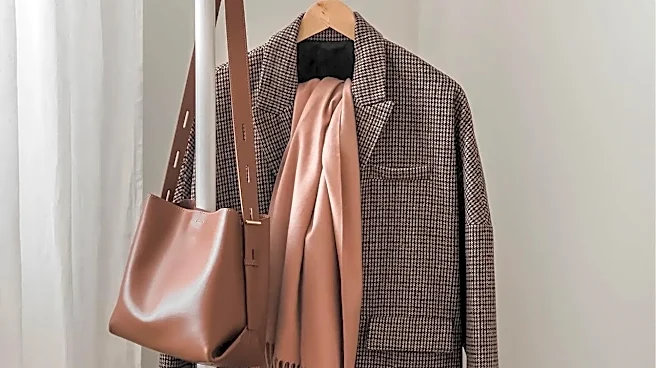
So, how did the sleek, often urban minimalism of the '90s evolve into the warm, beachy comfort of the Coastal Grandmother? The core principles never left. The emphasis on high-quality, natural fabrics like linen and cashmere is a direct through-line. The belief in a neutral, calming color palette remains central. And the idea of a timeless, investment-piece wardrobe over fleeting trends is the very definition of both aesthetics. The Nancy Meyers world simply took the '90s minimalist foundation, softened its edges, and moved it to the coast. It swapped the city asphalt for a sandy dune path, traded a leather blazer for a chunky knit cardigan, and added layers of personal, cozy details like stacks of books and antique ginger jars. The underlying DNA—a rejection of fuss in favor of quiet confidence and enduring quality—is identical. The Coastal Grandmother isn't a new invention; she's a '90s minimalist who has retired to her beach house.