
The Great Migration
The classic image of ACL Fest often involves a sea of fans lounging on blankets, taking in a rock or folk set with the Austin skyline as a backdrop. But schedule a major hip-hop headliner like Kendrick Lamar or Travis Scott on a main stage, and a seismic
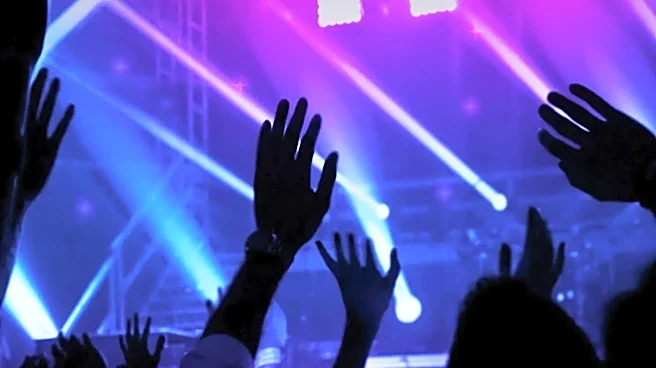
shift occurs. The festival’s center of gravity is pulled in a new direction. Suddenly, the most densely populated place in the park isn't the grassy hill by the American Express stage for a legacy act; it's the massive, pulsating field in front of a stage waiting for an 808 drop. This creates a phenomenon festival veterans call 'the great migration'—a mass movement of tens of thousands of fans that can make navigating the park a strategic challenge. This tidal pull of humanity towards a single performance shows how hip-hop doesn’t just participate in the festival; it commands it.
From Nods to Mosh Pits
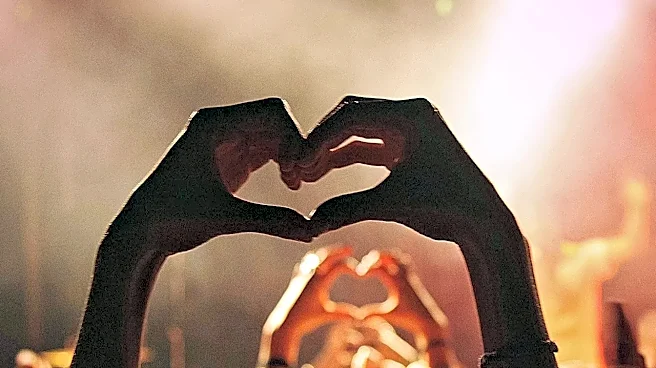
The energy of the crowd itself is fundamentally different. A set from a classic rock band or an indie darling often fosters a communal singalong, a sea of appreciative head nods, or a gentle sway. A headlining hip-hop show is a full-body experience. The energy is kinetic, explosive, and demands participation. Artists like Megan Thee Stallion and Doja Cat have turned their ACL sets into high-energy dance parties, complete with intricate choreography and direct commands to the audience. This has led to a rise in mosh pits and intense crowd surges, once a rare sight at the traditionally more relaxed festival. The vibe shifts from passive appreciation to active, sweaty engagement, creating pockets of intense physical energy that ripple outward across the park.
A Tale of Two Festivals
The growing prominence of hip-hop has, in effect, created a festival within a festival. You can spend an afternoon wandering between smaller stages, discovering new Americana or indie-pop artists in a relatively chill environment that feels true to ACL's roots. Then, as evening approaches, you can cross a path and find yourself in an entirely different world. The demographic skews younger, the fashion is different, and the soundscape is dominated by deep bass that vibrates in your chest. For years, C3 Presents, the festival's producers, have worked to diversify the lineup, moving beyond its 'progressive country' origins to include everything from EDM to K-Pop. Hip-hop's integration represents the most powerful manifestation of this evolution, creating a multi-layered experience where attendees can curate a day that feels like a classic ACL or one that mirrors a dedicated rap festival.
The Battle of the Sound Bleed
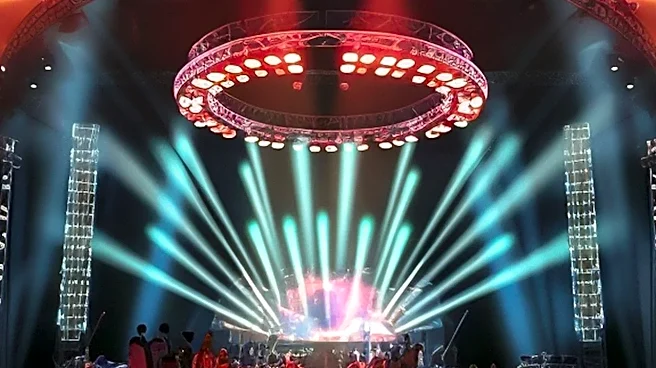
The sonic map of Zilker Park is also being rewritten. Hip-hop production, especially in a live festival setting, is bass-heavy by nature. This creates a 'sound bleed' that has become a distinct part of the modern ACL experience. The thudding bass from a rap performance on the T-Mobile stage can often be felt, and sometimes clearly heard, during a quieter acoustic set on the other side of the park. While sound engineers work to isolate stages, the sheer power of modern hip-hop festival production means its sonic footprint is enormous. This bleed isn’t just noise; it’s a constant, physical reminder of the genre's powerful presence, asserting its dominance on the festival’s auditory landscape and creating an unintentional, sometimes chaotic, cross-genre mashup for anyone caught between stages.