





Folk Invaders and Country Purists
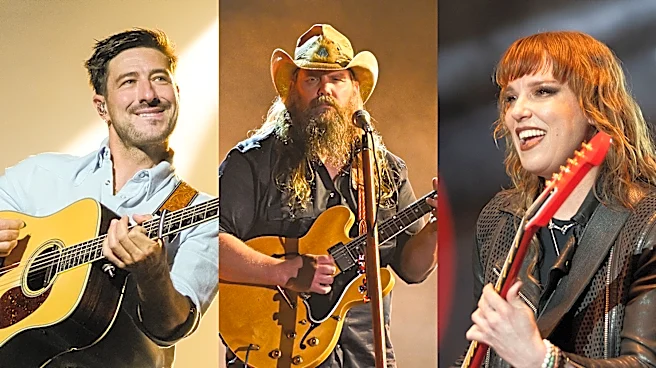
Nowhere was the genre divide clearer than in the night's collaborations. Chris Stapleton, a figure who embodies the soulful, bluesy heart of modern country, took the stage twice. One of those times was with British folk-rock giants Mumford & Sons, making
their CMA Awards debut. The combination of Stapleton's gravelly tenor with the banjo-driven, harmony-rich sound of an international folk band was a stark reminder of country's porous borders. On the other end of the spectrum stood performers like Cody Johnson and Zach Top. Johnson, a former rodeo pro, brings an unapologetically traditionalist sound that feels airlifted from the honky-tonks of a bygone era. Top, meanwhile, is a vocal throwback to the '90s heyday of crisp neotraditional country. The contrast was palpable: one performance reached across the ocean for folk-rock synergy, while others doubled down on the sounds that have defined country's core identity for decades.
The Hard Rock Tribute
Perhaps the most head-turning moment of sonic diversity came during the tribute to Brooks & Dunn, this year's recipients of the Willie Nelson Lifetime Achievement Award. The lineup assembled to honor the legendary duo included expected Nashville A-listers like Luke Bryan and Brothers Osborne, but it also featured some wild cards: blues-rock guitarist Marcus King and, most surprisingly, the hard rock band Halestorm. The idea of a Grammy-winning rock outfit known for blistering guitar solos and powerhouse vocals paying homage to the architects of 'Boot Scootin' Boogie' would have been unthinkable a decade ago. It signals a Nashville that is not only comfortable with its rock and roll influences but is now putting them front and center on its biggest night, acknowledging the heavy, guitar-driven sound that has long been a quiet cousin to mainstream country.
The New Wave of Women
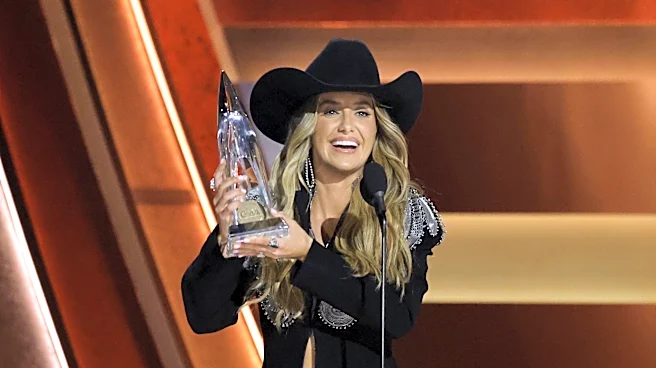
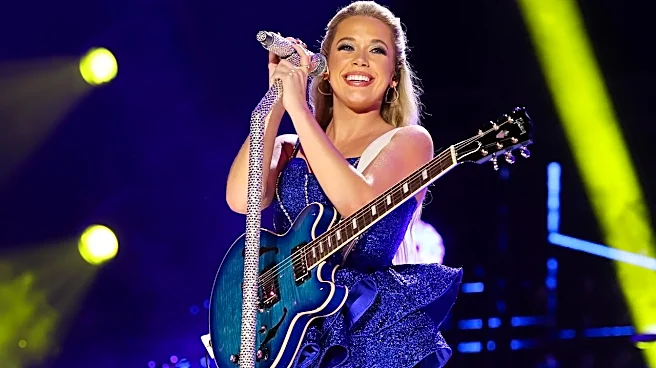
The women who performed represented their own fascinating spectrum. You had the established titan, Miranda Lambert, and the 'Golden Age' elegance of Kacey Musgraves. But the newer guard showcased the real variety. Host Lainey Wilson, who also performed, has built a brand on 'bell bottom country', a slick fusion of '70s rock swagger and modern pop production. Then there's Megan Moroney, whose sound often leans into a more vulnerable, pop-inflected singer-songwriter space. And in a category all her own is Ella Langley, the year's most-nominated artist, who blends a contemporary sound with a distinct Southern grit that has made her a breakout star. Each artist represents a different path to success and a distinct flavor of modern country, from retro-rock to pop-adjacent confessionals.
A Genre at War or a Big Tent?
So what does this all mean? For years, debates have raged about what 'real country' is. Is it the traditional sound of George Strait, the pop anthems of the early 2010s, the genrending experiments of today? The 2026 CMA Awards didn't pick a side; it showcased the entire messy, vibrant, and contradictory conversation. The show's producers put the neotraditionalists on the same bill as folkndrockers and hard rock bands. They celebrated artists pushing boundaries while also giving a platform to those dedicated to preserving its history with figures like Vince Gill making an appearance. This wasn't a sign of a genre in crisis. It was a sign of a genre confident enough to contain multitudes, even if those multitudes are constantly arguing over the aux cord.