




More Than Just a Style Choice
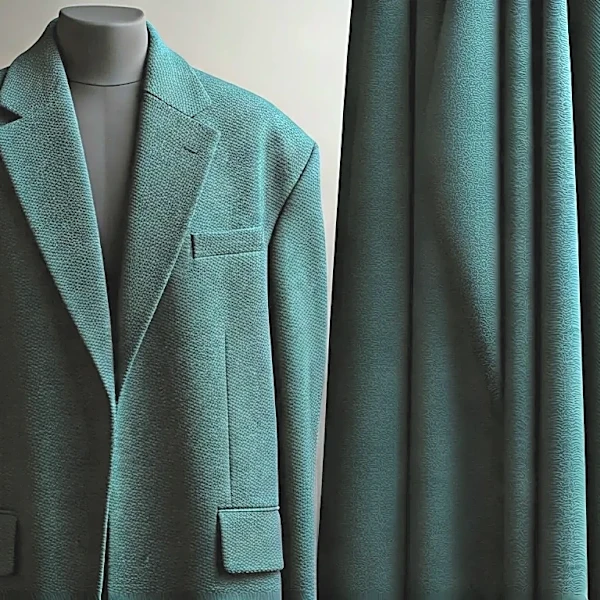
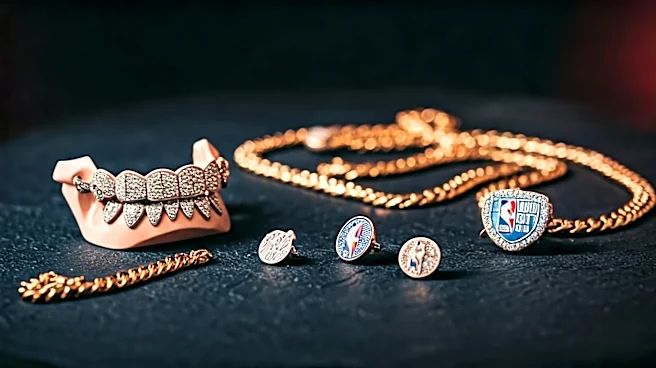
For decades, the unofficial uniform for NBA and NFL draft nights was a study in aspirational luxury. Prospects arrived draped in flashy, custom-made suits, expensive watches, and diamond-encrusted chains—visual shorthand for “I’ve arrived.” But as athletes
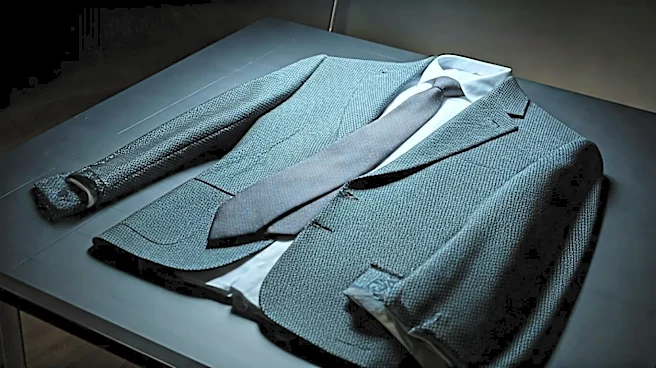
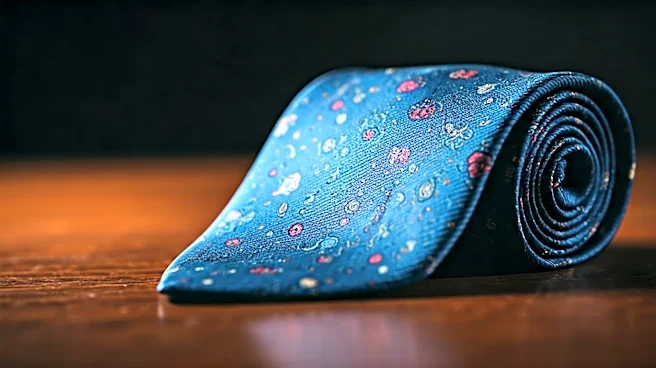
become more sophisticated in crafting their public image, a subtler form of expression has taken hold. The focus is shifting from overt displays of wealth to something more personal and narrative-driven. And the tie, once a mere formal afterthought, has become the primary vehicle for that story. It’s a deliberate choice. In an evening defined by team hats and commissioner handshakes, the tie is one of the few elements a player can truly control. It sits squarely in the frame of every camera shot, a small canvas for a big message. Instead of a new silk tie from a luxury brand, we're seeing prospects dig into family closets, choosing pieces that tell a story of heritage, loss, or inspiration.
A Link to Legacy and Family
The most potent use of the archival tie is as a direct link to family—specifically, to fathers and grandfathers. When a top prospect walks on stage wearing his late father’s favorite tie, or the one his dad wore to his own wedding, the gesture is instantly understood. It’s a powerful, non-verbal tribute that says, “I wouldn’t be here without you.” This act transforms a simple piece of neckwear into a symbol of generational journey and sacrifice. It grounds the athlete in their personal history at the exact moment their professional future is being decided by a multi-billion-dollar franchise. This isn’t about being vintage-obsessed; it's about authenticity. In an era where every aspect of an athlete's life can feel packaged and commodified, wearing a piece of family history is a profoundly humanizing act. It provides a touchstone, a tangible connection to home and a reminder of the support system that got them to this pinnacle. It’s a statement of gratitude that resonates far more deeply with fans than another logo-stamped accessory ever could.
The Rise of Narrative-Driven Styling
This trend doesn't happen in a vacuum. It’s part of a broader movement in athlete branding, heavily influenced by the rise of personal stylists. A decade ago, an athlete’s draft-night “look” was often self-assembled or picked with a family member. Today, top prospects work with professional stylists who specialize in building a personal brand. These stylists understand that a successful draft night isn't just about looking good; it's about telling a compelling story. A stylist might ask a client about their heroes, their family history, or their motivations. From those conversations, they build a visual strategy. The archival tie becomes a perfect narrative tool. It’s authentic, visually interesting, and provides reporters with a built-in human-interest angle. This approach shifts the conversation from “Who are you wearing?” to “Why are you wearing it?”—a much more meaningful question.
The Quiet Confidence of Subtlety
In many ways, this micro-trend is a rejection of the “look at me” fashion that characterized previous draft classes. The flashy, oversized suits of the ‘90s and early 2000s were about demanding attention. The archival tie is about earning it through substance. It projects a quiet confidence. The message isn’t “Look how much I can spend,” but “Look where I come from.” It suggests a maturity and self-awareness beyond the player’s years. By choosing a tie that belonged to a loved one or represents a core value, an athlete is signaling that their identity is not defined by their newfound fame or fortune. It’s a subtle but firm declaration that their character was forged long before their name was called. This kind of storytelling resonates with teams looking to invest millions in a young player's future, and with fans who are hungry for athletes they can connect with on a human level.