





King's Landing: A Gilded Cage
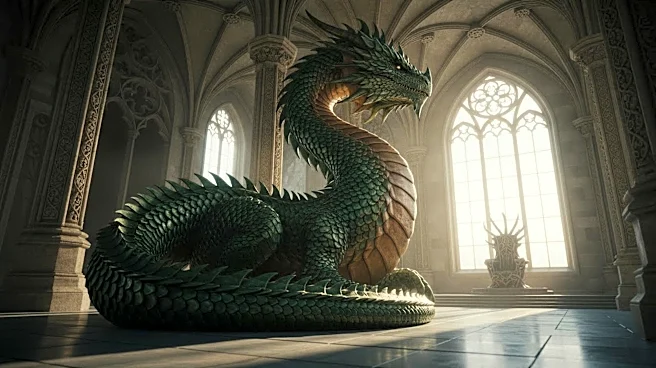
For years, King’s Landing has been our visual shorthand for supreme power in Westeros. Its centerpiece, the Red Keep, is a fortress of political theater. Everything within its walls is designed to project dominance and legitimacy. The prime example, of course,
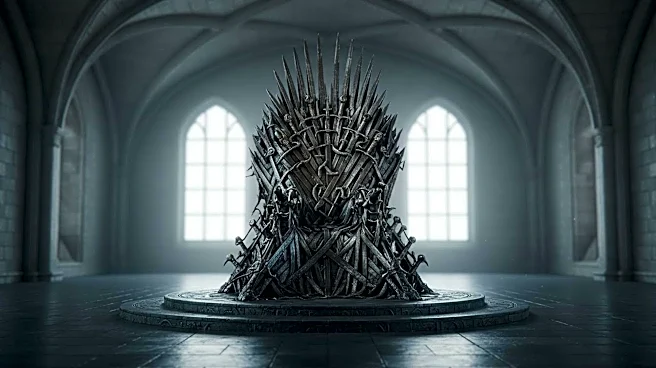
is the Iron Throne—a monstrous, uncomfortable chair forged from the swords of conquered enemies. It’s not a seat of comfort or wisdom; it’s a declaration of victory through violence. The rest of the castle follows suit. Its grand halls, while impressive, often feel formal and cold. Wealth is displayed through banners, armor, and the occasional flourish of Lannister gold, but it’s a static, inherited power. The Red Keep is a stage, and its decor is merely the backdrop for the endless, bloody drama of succession. It’s rich in history, but poor in personality; its character changes with each new monarch, erasing what came before.
High Tide: A Castle as a Collection
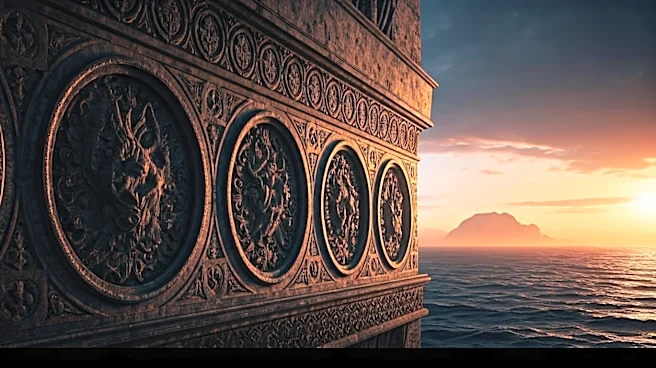
Then we visit Driftmark. From the first moment inside the Velaryon castle, High Tide, the feeling is different. This isn't just a powerful family's headquarters; it's a museum of a life lived on the world's oceans. Where the Red Keep is built on conquest, High Tide feels built on curiosity and commerce. The production design, led by the brilliant Jim Clay, made a crucial choice: Velaryon wealth isn’t just old, it’s *worldly*. The castle is filled not with the spoils of war, but with the treasures of trade and exploration. Look closely at the tables, shelves, and walls. You’ll see artifacts, sculptures, and relics that don't look like they were made in Westeros. They look like they were collected from Asshai, the Summer Isles, and lands far beyond. This is a curated wealth, where every object tells a story of a distant shore and a perilous journey. The famous Map Room isn't just a strategic tool; it's a library of the family's greatest asset: their knowledge of the world.
The Driftwood Throne vs. The Iron Throne
Nowhere is this contrast more obvious than in the two seats of power. The Iron Throne is a symbol of subjugation. It screams, “I defeated your ancestors.” It’s a throne of endings. The Driftwood Throne, the seat of the Lord of the Tides, is its thematic opposite. Reportedly crafted from the salvaged timbers of legendary ships, it's a throne of beginnings, of journeys. It represents mastery over the sea, not over men. Each piece of wood could be from a vessel that charted new trade routes or discovered new lands. While the Iron Throne is a weapon, the Driftwood Throne is a logbook. It tells a story of courage, resilience, and experience. It suggests that true power isn't about how many people you can force to kneel, but how much of the world you’ve seen and understood.
Storytelling Through Stuff
This singular design choice—defining Velaryon wealth as a global collection—achieves something remarkable. It makes Driftmark feel richer in culture, story, and soul than the capital. King's Landing has gold, but Driftmark has context. The Targaryens have dragons and a fearsome throne, but the Velaryons have the world displayed on their mantle. Their power feels earned through expertise and adventure, not just inherited through a name and a crown. This visual storytelling adds a new layer of political tension to the show. The Targaryens may rule the continent, but the Velaryons control the oceans that connect it to everything else. Their home is a constant, quiet reminder that there are different kinds of power—and the kind you can hold in your hand, that tells a story of a faraway place, might just be the most compelling of all.