


The Gorpcore We Know Today
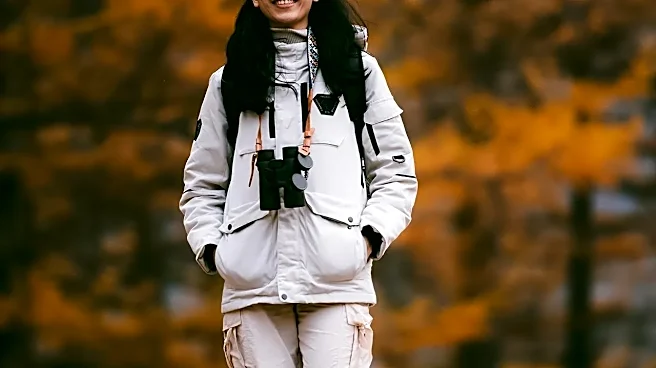
First, let's define the term. Coined in 2017 by writer Jason Chen, "gorpcore" is fashion's name for wearing technical outdoor clothing in an everyday urban setting. The name itself comes from the hiker's acronym for trail mix: "Good Ol' Raisins and Peanuts."
The style is defined by its functionality—or at least the appearance of it. It features materials like Gore-Tex, fleece, and durable nylon, with brands like The North Face, Patagonia, and the highly coveted Arc'teryx as its stars. The look is sharp, often minimalist, and communicates a sense of preparedness, whether you're commuting in a downpour or actually climbing a mountain. This fusion of high-performance gear with street style has become a dominant force, moving from a niche trend to a global phenomenon.
The Road Not Taken: A Bulkier, Earthier Past
But the sleek, almost futuristic aesthetic of modern gorpcore wasn't the original blueprint. If we turn back the clock to the 1960s and 70s, the golden age of pioneering American outdoor gear, the look was entirely different. Early apparel from brands like The North Face and Patagonia was built for rugged utility, not lightweight minimalism. Think thick, down-filled parkas in bold primary colors, heavy wool shirts, canvas pants, and sturdy leather hiking boots. The silhouettes were bulkier, the materials were natural and analog, and the vibe was more crunchy granola than city-slicker tech. This was the original outdoor uniform, born from a desire to explore the wild with durable, dependable gear. Fashion wasn't part of the conversation; it was all about pure function in its most raw form.
The Great Pivot: The Synthetic Revolution
The major turning point arrived with advancements in material science. The invention and widespread adoption of GORE-TEX in the late 1970s and 80s was a game-changer. Suddenly, outerwear could be waterproof and breathable, a massive leap in performance that allowed for lighter, less cumbersome designs. This was followed by the rise of synthetic fleece, like Polartec, which offered incredible warmth without the bulk of wool or down. These new materials fundamentally altered what outdoor clothing could be. Designers were no longer constrained by the limitations of natural fibers. They could create garments that were lighter, more packable, and offered superior protection from the elements, setting the stage for a new design language.
The Arc'teryx Effect: Minimalism Takes the Lead
While established brands evolved, it was a newer player that cemented the modern gorpcore aesthetic. Founded in 1989, the Canadian brand Arc'teryx approached outerwear with a design philosophy rooted in obsessive technical performance and stark minimalism. They pioneered construction techniques like waterproof zippers and micro-seams that created an incredibly clean, almost architectural look. Their focus wasn't on trends, but on creating the absolute best gear for the most demanding conditions. This commitment to functional perfection, devoid of frivolous details, resulted in a look that was unintentionally fashionable. As street style began to gravitate towards technical apparel in the 2010s, the sleek, high-end appeal of Arc'teryx made it the ultimate status symbol, pulling the entire gorpcore trend away from its earthy, 70s roots and firmly toward a more technical, minimalist future.