


It’s Theater, Not Just Tuesday Morning
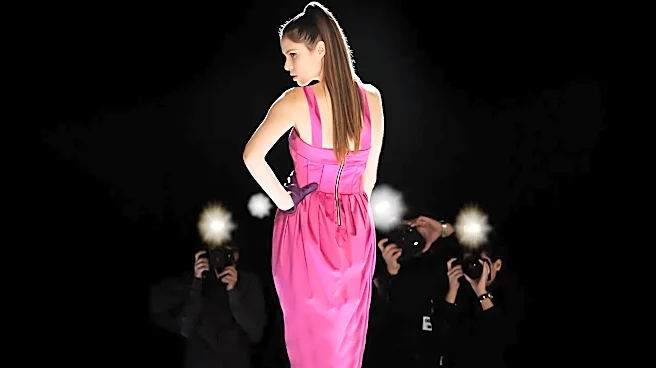
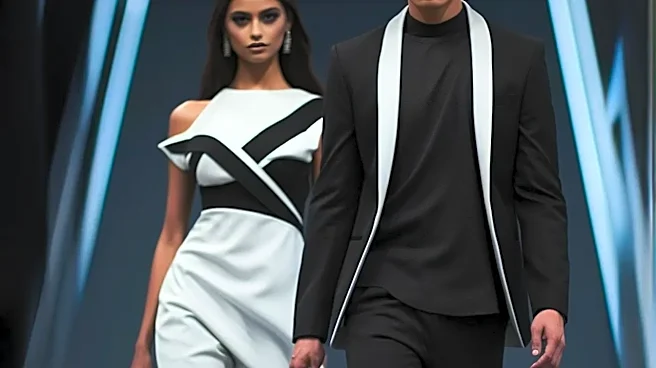
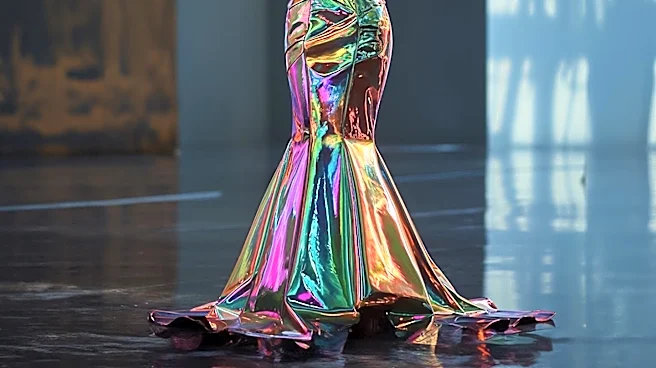
The first thing to understand is that a runway show is a piece of theater, and the clothes are costumes for the story being told. A stylist’s primary job is to serve the designer’s narrative for that season. Is the collection about rebellious romance,
corporate deconstruction, or futuristic utility? The answer dictates every choice. A simple slip dress isn't just a dress; it might be styled with combat boots and a delicate tiara to communicate a specific kind of modern royalty. The entire controlled environment—from the dramatic lighting and curated soundtrack to the specific walk of the models—is designed to create a fantasy. Stripped of this context, the clothing is just clothing. But within it, a camel coat can become a symbol of quiet power or a desperate shield against a chaotic world.
The Art of Radical Layering
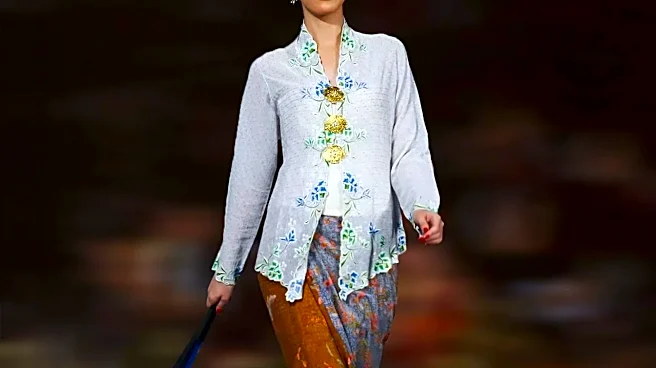
On the street, layering is for warmth. On the runway, it’s for reshaping reality. Stylists are masters of proportion play, using layering to create entirely new silhouettes. Think of a cardigan worn as a scarf over a blazer, a trench coat worn half-on to reveal a sheer top underneath, or two different jackets layered to create a single, complex piece. This isn't about practicality; it's about challenging how a garment is supposed to be worn. By adding or subtracting layers in unexpected places, stylists can make a familiar piece feel off-kilter and new. A simple button-down might be layered under a corset, over a turtleneck, and belted at an odd angle, transforming it from office-wear into an architectural statement.
Deconstruction: Wearing it 'Wrong' on Purpose
Sometimes, the most powerful styling trick is to treat the garment with intentional disrespect. A shirt buttoned incorrectly, a jacket worn backwards, or jeans so distressed they're barely holding together are all forms of deconstruction. This technique forces the viewer to see the item not for its intended function but as pure shape and texture. It's a way of breaking down our assumptions about how clothes should sit on the body. A stylist might have a model wear a sweater with one arm out of its sleeve or tuck a t-shirt into the visible waistband of a pair of tights. These small acts of rebellion against convention make you look twice and reconsider the object itself.
Accessorizing as World-Building
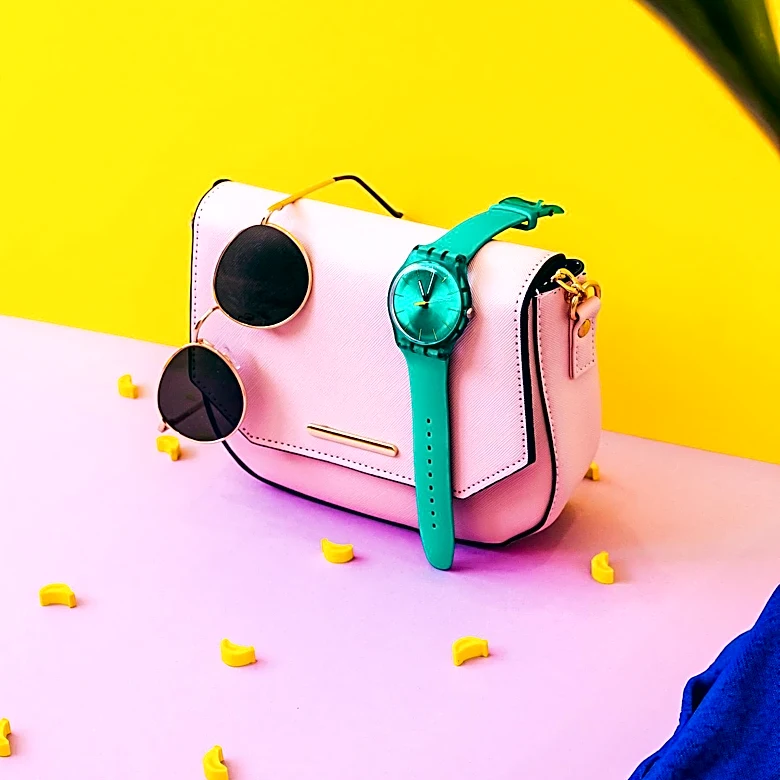
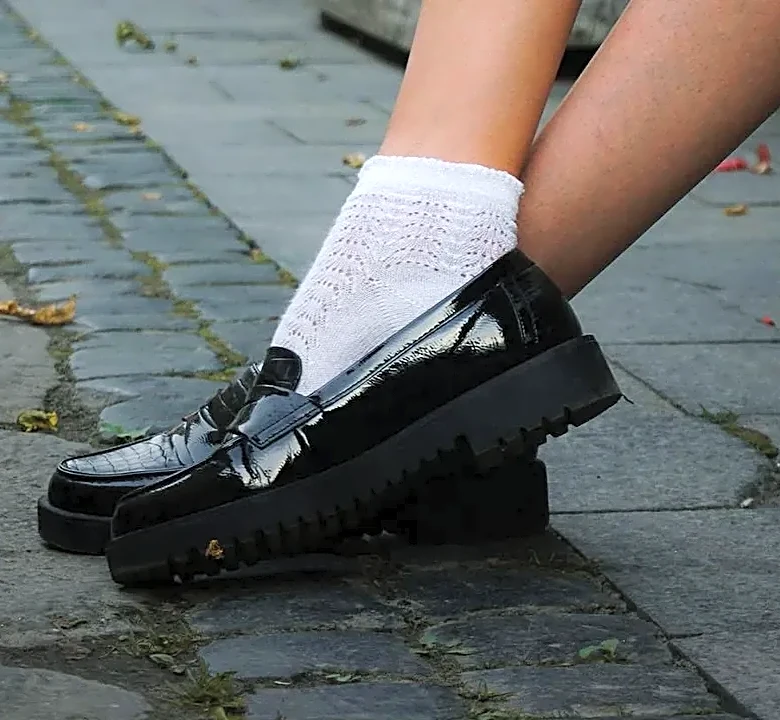
On the runway, accessories are rarely just accessories. They are props, symbols, and narrative devices that transform an outfit’s meaning. A single, oversized earring can create a sense of imbalance and intrigue. A belt with functional keyrings might suggest a theme of chic utility. Recent seasons have seen everything from playful pom-poms to elegant brooches used to punctuate a look. The choice of footwear can anchor a floaty dress with aggressive combat boots, and the hair and makeup complete the character. The goal isn't just to complete an outfit but to build a world around it, making the model a character and the clothing her costume. This holistic approach is why the same dress you might wear to a wedding looks completely different on the runway—it's part of a much larger, more elaborate story.