







The Binge Drop: An All-Out Spoiler Sprint
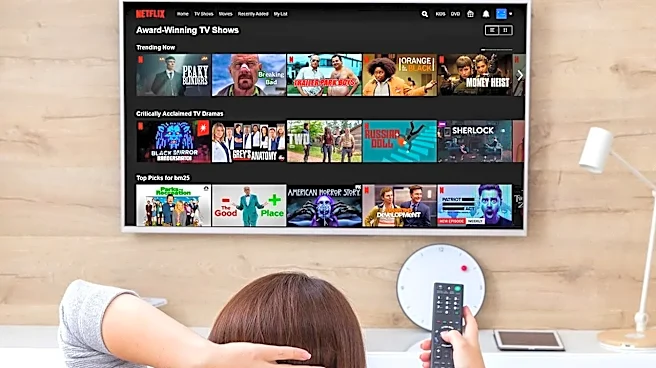
The full-season drop, pioneered by Netflix, turns a show's release into an intense, short-term cultural event. The advantage? Instant gratification. The entire story is yours to consume at whatever pace you choose. For those who can dedicate a weekend
to a full-season marathon, this is the quickest way to get ahead of the spoiler curve. By finishing early, you can freely browse social media and join the initial wave of discussion. However, this model creates a chaotic and unequal viewing environment. If you can't watch immediately, the internet becomes a no-go zone. It’s a high-stakes race where everyone is on a different lap; your friend on episode eight is a walking spoiler for you on episode three. The hype cycle is fast and furious, meaning if you fall behind, the conversation moves on, leaving you to navigate a minefield of plot details alone.
The Weekly Release: A Controlled, Shared Experience
The weekly release model, a holdover from traditional broadcast TV, has made a major comeback on nearly every streaming platform. From a spoiler-avoidance perspective, its strengths are clear. It creates a predictable, manageable timeline for everyone. Each week, there is only one new episode's worth of plot to spoil. This structure fosters what was once known as "watercooler TV"—a communal experience where viewers can theorize and react together in real-time. This shared pacing makes it far easier to know when it’s safe to talk about the show. The community collectively processes twists and turns, creating sustained buzz that keeps a show relevant for months, not just one weekend. This slower burn gives viewers breathing room, lessening the pressure to watch immediately or risk having everything ruined.
The Social Media Battlefield
Regardless of release strategy, social media is the unofficial warzone for spoilers. For binge-drops, algorithms quickly identify that you're watching a show and may surface clips, memes, or discussions you’re not ready for. The risk is concentrated into a few days or weeks. For weekly shows, the risk is lower but prolonged. You may not see a full-season spoiler, but you might see a pivotal scene from the latest episode before you've had a chance to watch. Platforms like X (formerly Twitter), TikTok, and Instagram are notorious for this, where a single trending topic can reveal a character's fate instantly. While some platforms and browser extensions offer mute words and filters, they are imperfect shields against a determined and excited fandom. Staying completely offline is the only foolproof method, but for most, that's not a realistic option.
The Verdict: Which Model Wins the Spoiler War?
So, which is truly better for the spoiler-averse viewer? While the binge-drop offers a path to safety through sheer speed, it’s a demanding and often stressful one. It favors those with the most free time, creating a fragmented viewing experience for everyone else. The weekly release, by contrast, offers structure and community. By putting everyone on the same general schedule, it democratizes the viewing experience and naturally contains the spoiler blast radius. The conversation builds over time rather than exploding at once, giving audiences a chance to keep up. While you still have to be cautious after an episode airs, the risk is confined and predictable. For those who prioritize a shared cultural conversation and a more relaxed viewing pace, the weekly model is the clear winner in the fight to stay unspoiled.