




A Classic Too Soon?
When the animated Moana sailed into theaters in 2016, it was an instant classic. With its stunning visuals, a powerful story of a self-reliant heroine, and Lin-Manuel Miranda's earworm-filled soundtrack, it became a cultural touchstone for a generation.
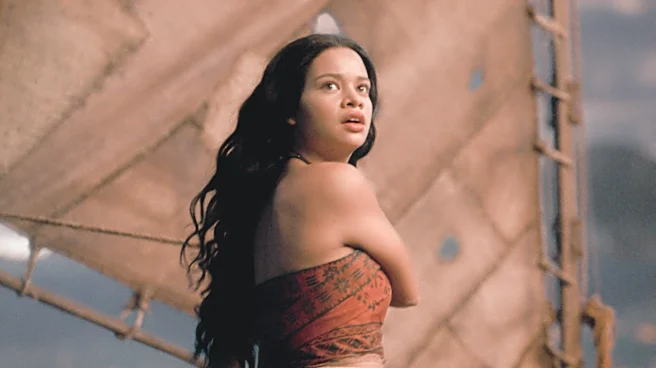
Fast-forward to 2026, and a live-action retelling is now on the big screen, starring newcomer Catherine Laga'aia and Dwayne Johnson reprising his role as the demigod Maui. But unlike remakes of decades-old films like Cinderella or The Lion King, Moana's proximity to the original has left many fans perplexed. An animated sequel, Moana 2, was just released in 2024, making the franchise feel very much alive and well, which only amplified the questioning of the remake's necessity.
The Millennial and Gen Z Argument
For many Millennials and older Gen Z viewers, who were in their teens and twenties when the first film was released, the backlash is personal. To them, the 2016 film isn't a dusty classic in need of an update; it's a 'modern classic' that still feels fresh. The sentiment, widely seen across social media, is that the remake is a blatant and creatively bankrupt cash grab. The argument is that nostalgia needs time to ferment. Remaking a film this quickly doesn't allow for the fond, distant memories that typically drive audiences to these projects. Instead, it invites direct, often unflattering, comparisons. This generation grew up with the original, and for many of them, it’s perfect as is. Why fix what isn't broken—and more importantly, what isn't even old?
The Counterpoint: Culture and Commerce
On the other side of the debate is a more pragmatic view, largely embodied by the film's creators. Dwayne Johnson, who is also a producer, has framed the remake as an opportunity to further honor his Polynesian heritage in a different medium. In interviews, he has spoken about bringing a new vulnerability to Maui and celebrating the culture on a global stage for a new audience. The casting of Catherine Laga'aia, a 19-year-old Australian actress with Samoan roots, was a deliberate choice to pass the torch to a new generation. From a business perspective, the logic is simple: live-action remakes are a proven commodity for Disney. They introduce beloved stories to families who may prefer the live-action format and serve as a reliable financial strategy, regardless of fan outcry.
Remake Fatigue Hits the Shore
The Moana debate isn't happening in a vacuum. It’s the latest flashpoint in a broader cultural conversation about 'remake fatigue.' Audiences have been inundated with live-action versions of Disney classics for years, with critics often pointing out that they feel soulless or visually inferior to the animated originals. The reactions to the live-action Moana have been particularly harsh, with many early reviews calling it a shot-for-shot retread that lacks the magic and vibrancy of the 2016 film. Critics have pointed to flat visuals and an over-reliance on CGI as evidence that some stories are simply better suited to animation. The Moana remake, by virtue of its speed, has become the ultimate test case for how much is too much, and how soon is too soon.