




We've all been there: holding a garment we love that just doesn't fit right, wondering if it's worth the cost of tailoring. But what if the tailor could show you the answer before you spend a dime? They can, using a diagnostic language of pins.
More Than Just Holding Fabric Together
When a
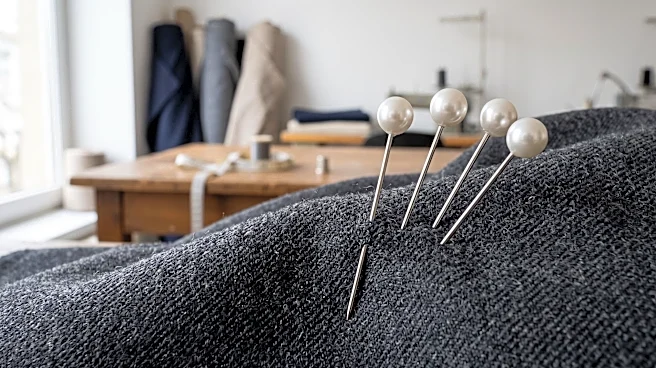
good tailor starts pinning a garment on you, they're not just marking a new seam. They are performing a diagnostic test. This 'pinning method' is a visual conversation that reveals the garment's secrets: its structural limits, how the fabric will drape after a change, and whether an adjustment is a simple fix or complex 'sartorial surgery'. The way pins are placed—vertically for taking in a seam, horizontally for a hem, or angled to contour a curve—translates a verbal request into a clear, actionable plan. It's how a tailor assesses if your vision for the piece is compatible with its construction. By watching where and how they pin, you can start to understand the scope of the job yourself.
Reading the Pins: Simple Fix vs. Major Reconstruction
The location and number of pins are your first clues to cost and complexity. A few vertical pins along the side seams or back darts of a shirt or dress signal a straightforward 'take-in' job. A horizontal line of pins at the bottom of a pant leg or skirt is a simple hem. These are routine, affordable alterations that are almost always worth doing. Howevver, if the tailor starts pinning around the shoulders or armholes, pay close attention. Altering the shoulders of a jacket is one of the most difficult and expensive jobs, as it requires deconstructing and rebuilding the garment's core frame. If pins appear in multiple, seemingly unrelated areas, it may indicate a 'recut' is needed, where the entire piece is reshaped. This is a sign that the alteration could easily cost more than the garment itself.
The Strain Test: When Pins Reveal a 'No'
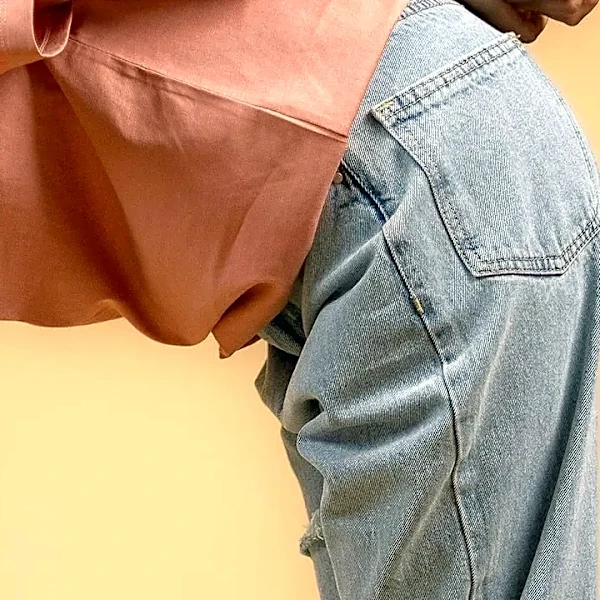
Sometimes, the most valuable thing a tailor's pins can tell you is when to walk away. As a tailor pins one area, watch what the rest of the fabric does. If pinning a waist tighter causes the fabric to pull into an 'X' shape around the hips or buttons, it's a red flag. If taking in the chest creates strain or pulling across the back, the fit problem is more fundamental. This is the pinning method's 'strain test'. It reveals when a garment is simply the wrong size or cut for your body. No amount of skilled tailoring can add fabric that isn't there, especially in ready-to-wear clothing where seam allowances are often minimal. A good tailor will often say no to an alteration that will compromise the garment's balance or structure, saving you from a disappointing result.
How to Use This Knowledge at Your Fitting
The next time you're at a tailor, don't be a passive participant. You're part of the process. Before you go, try on the garment with the shoes and undergarments you intend to wear with it. During the fitting, stand naturally—don't suck in your stomach or stand unusually straight. As the tailor works, ask questions that show you're thinking about structure. Instead of 'Can you make this tighter?', try asking, 'Which seam would that adjustment follow?' This signals that you understand alterations follow the garment's existing lines. Watch in the mirror as they pin and move around. Sit down, walk a few steps, and lift your arms to see how the pinned version feels. If it feels restrictive, say so. This collaborative approach ensures the final result isn't just what the tailor thinks is right, but what actually works for your body and your life.