


Building the World We See
Ever get lost in the gritty, post-apocalyptic wasteland of a show like "Fallout" or the opulent halls of "The Gilded Age"? That immersive reality is the work of production designers, cinematographers, and visual effects artists. The Emmy for Outstanding
Production Design honors the teams that build a series' physical world, from the grandest sets to the smallest props that tell a story. Cinematography, meanwhile, is about capturing that world. It’s the art of light and shadow, camera angles, and movement that sets a show's mood—be it the sun-drenched anxiety of a thriller or the warm glow of a sitcom. Then there are the Special Visual Effects awards, which recognize the digital magic that creates everything from soaring dragons to futuristic cityscapes, seamlessly blending the real and the impossible.
Crafting the Soundscape
Sound is half the experience of television, and it gets its due with separate Emmys for Sound Editing and Sound Mixing. So, what’s the difference? Sound editors are responsible for creating or sourcing every individual sound you hear, from the crisp reload of a weapon to the ambient hum of a spaceship's engine. They build the audio library for a show. Sound mixers are the artists who take all those elements—dialogue, score, and sound effects—and blend them together. They decide what you hear and when, raising the musical score to heighten emotion, making sure dialogue is clear in a chaotic battle, and using silence for dramatic effect. Together, they create the sonic world that makes your heart race or your eyes well up.
Defining the Characters
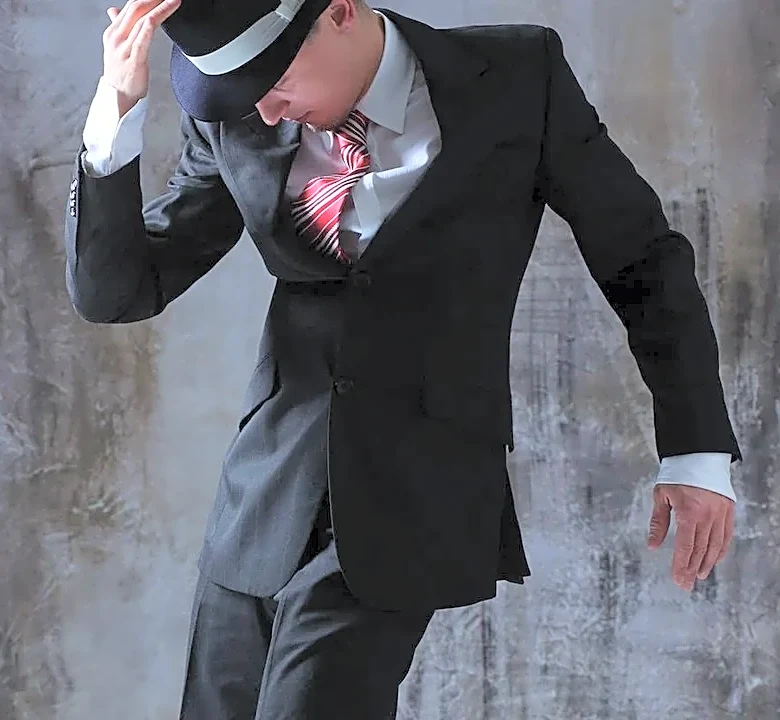
Before an actor even speaks a line, their costume, hair, and makeup have already started telling you who they are. The Creative Arts Emmys celebrate this crucial layer of character creation with categories for Outstanding Contemporary, Period, and Fantasy/Sci-Fi Costumes, as well as Hairstyling and Makeup. A perfectly tailored suit can signal power and corruption, while a carefully distressed jacket can speak to a character’s long, hard journey. These awards recognize that costumes aren't just clothes; they are narrative tools. Likewise, hairstyling and makeup (both prosthetic and non-prosthetic) are essential for transforming actors, whether it's creating the elaborate updos of a period drama or the terrifying look of a sci-fi monster.
Assembling the Final Masterpiece
All the pieces of a show are brought together in the final stages of production, which are honored with some of the most critical Creative Arts Emmys. The award for Outstanding Picture Editing recognizes the artists who shape the rhythm and pace of a story. Through cuts, transitions, and scene order, editors build suspense, land jokes, and craft the emotional flow of every single episode. Finally, the Emmys for Music Composition and Music Supervision celebrate the soundtrack of a series. The composer writes the original score that becomes a show's signature sound, while the music supervisor selects the licensed songs that can perfectly capture the feeling of a moment. It's the final polish that makes a good show truly great.