



From Concrete Floor to Hallowed Ground
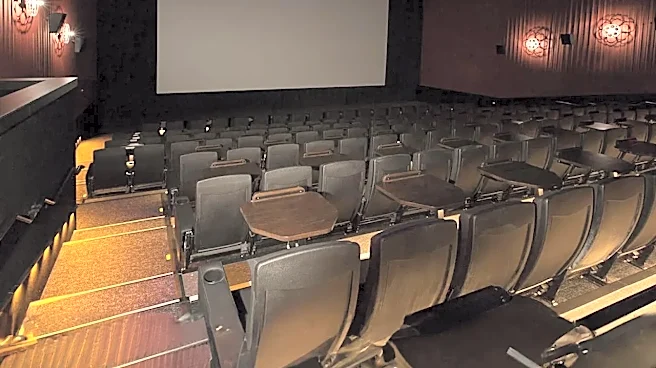
Before it was a legend, Hall H was just a 6,500-seat exhibition space at the San Diego Convention Center. San Diego Comic-Con, which began in 1970 as a small gathering for comic book fans, had been growing steadily for decades. By the early 2000s, its
previous main stage, Ballroom 20, could no longer contain the swelling crowds eager to see Hollywood's latest offerings. In 2004, organizers turned to the massive hall on the corner of the convention center. Its first film panel was a relatively quiet affair for “Batman Begins,” which director Christopher Nolan and star Christian Bale didn't even attend. For the first few years, you could even walk in an hour before a panel and find a seat. The room was functional, but the myth had not yet been born.
The Turning Point: Vampires and Superheroes
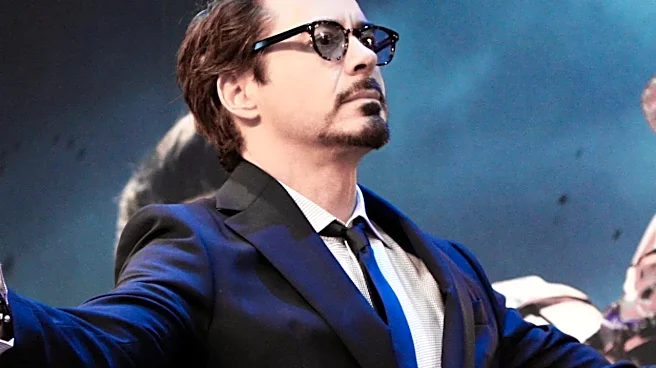
Two key events transformed Hall H from a large room into a cultural phenomenon. The first was in 2007, when director Jon Favreau showed up with a sizzle reel for a movie about a B-list superhero, “Iron Man.” The explosive fan reaction in the room to Robert Downey Jr.'s performance was the first clear sign that Marvel had a game-changer, kickstarting the Marvel Cinematic Universe. The second catalyst arrived in 2008 with the panel for “Twilight.” The sheer fan frenzy, with thousands of 'Twihards' camping out overnight, was unprecedented. It demonstrated a new level of fan devotion and proved that Hall H was not just for traditional comic book properties. It was now the ultimate litmus test for blockbuster potential.
Building the Modern Myth
The years that followed cemented Hall H's legendary status. Studios began treating their panels not as press conferences, but as rock concerts. Marvel Studios, in particular, perfected the art of the Hall H spectacle. In 2010, the entire original cast of “The Avengers” assembled on stage for the first time, causing a fan meltdown. In 2013, Tom Hiddleston appeared in full costume as Loki, commanding the 6,500-strong audience to kneel before him in a moment of pure, manufactured magic. These weren't just panels; they were carefully choreographed events designed to generate online buzz for months. Studios brought exclusive footage that wouldn't be seen anywhere else, surprise celebrity guests, and grand announcements, turning attendance into a badge of honor for dedicated fans.
The Fan Mecca and the Marketing Machine
Hall H created a powerful, direct-to-fan pipeline that reshaped movie marketing. A roaring ovation in the room could validate a studio's strategy and create priceless word-of-mouth. Zack Snyder's “300” became a box office success in 2006 partly because bootleg copies of its eye-popping teaser, shown exclusively in Hall H, went viral on YouTube. The room became so important that it was dubbed “the most important room in Hollywood.” For fans, it became a pilgrimage. The act of waiting in line for hours, or even days, became a communal experience, a testament to one's dedication. You weren't just seeing a trailer; you were part of an event, sharing a once-in-a-lifetime experience with thousands of other true believers.