


A Sartorial Statement on the Runway
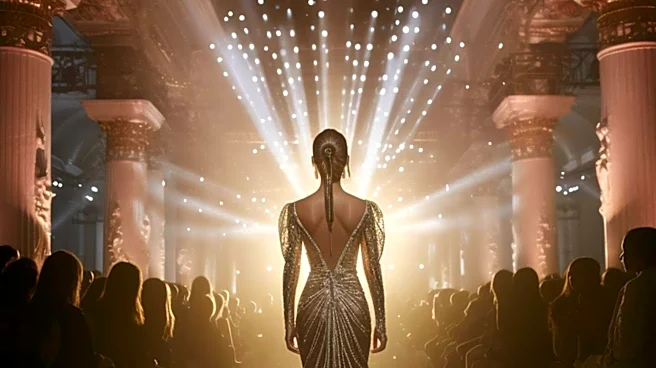
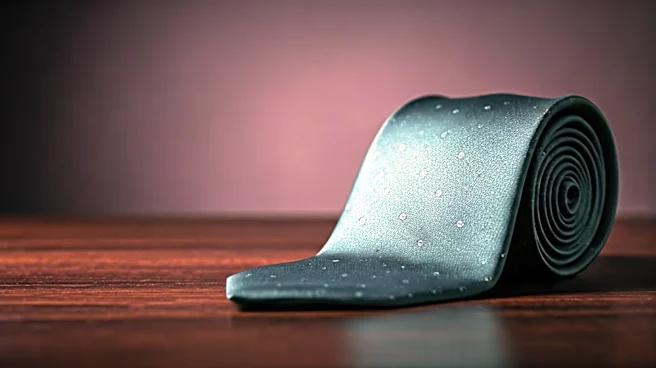
On the runways of Milan, a place where fashion’s next big ideas take shape, the tie wasn’t just present; it was a protagonist. At Prada, co-creative directors Miuccia Prada and Raf Simons sent out models in deliberately imperfect outfits. Their ties—skinny,
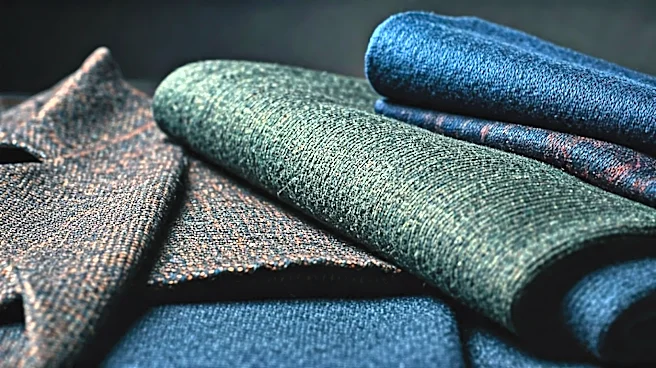
slightly rumpled, and sometimes peeking from under a v-neck sweater—felt less like a mandate and more like a conscious, almost rebellious, style choice. They were worn with a sense of nonchalance, as if the wearer had just thrown it on. Similarly, Fendi explored the tie as a textural element, playing with silk and subtle logos, pairing them not with stiff power suits but with softer, more fluid silhouettes. The message was consistent across several influential collections: the tie is being untethered from its stuffy, boardroom-only context.
From Power Symbol to Personal Flourish
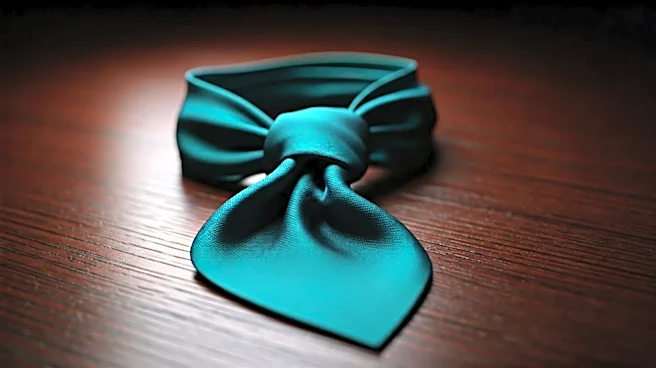
What makes this new wave of neckwear so different is its intent. The traditional “power tie” of the ‘80s and ‘90s was about projecting authority and fitting into a rigid corporate hierarchy. It was wide, bold, and spoke a language of financial dominance. The tie’s 2025 incarnation speaks a different language entirely—one of personality, creativity, and even a touch of nostalgia. The knots are looser, the placement is more relaxed, and the pairings are unexpected. We’re seeing ties tucked into high-waisted trousers, worn with short-sleeved shirts, or even styled with casual knitwear. It’s no longer a tool for assimilation but one for differentiation. The modern tie, as presented in Milan, doesn’t say, “I’m here for the quarterly earnings call.” It says, “I thought this would look cool.” This shift redefines the accessory from a uniform into an optional, artistic flourish.
The Post-Pandemic Style Reset
This comeback couldn’t have happened without the great wardrobe reset of the past few years. As offices emptied and dress codes evaporated, the tie became functionally obsolete for millions of American men. Its mandatory use died on Zoom calls, where a collared shirt was often sufficient. But in this freedom, a new opportunity emerged. When you no longer *have* to wear something, choosing to do so becomes a powerful statement. The absence of a dress code has ironically made formal elements more interesting. A younger generation, unburdened by decades of tie-as-uniform trauma, sees it not as a symbol of their father’s oppressive office job, but as a vintage accessory to be played with, like a signet ring or a cross-body bag. It’s being rediscovered on its own terms, free from the baggage of corporate life.
How to Think About the Tie Now
So, what does this mean for the average guy staring at a tie rack? It means permission to experiment. The new energy around the tie isn't about perfectly replicating a runway look, but about adopting the spirit behind it. It’s about seeing the tie as just another accessory in the style toolbox, one that can add a pop of color, a hint of texture, or a dose of intentionality to an otherwise simple outfit. Think of wearing a slim knit tie with a denim jacket, or a vintage silk one with a simple white tee and a cardigan. The goal is no longer to look “professional” in the old sense, but to look interesting and put-together on your own terms. The Windsor knot and the rigid, symmetrical dimple are out; a bit of personality and playful imperfection are in.