






The Dual-Audience Dilemma
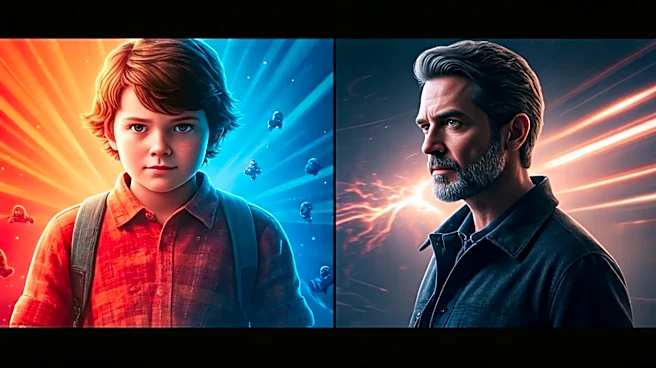
Crafting a movie trailer is an art form, but cutting one for a family film is a high-wire act. The core challenge is simple yet profound: you have to sell the same two-minute story to two entirely different audiences simultaneously. On one side, you have children,
who are drawn to bright colors, slapstick humor, and simple, high-energy narratives. On the other, you have their parents, the ones with the wallets, who are looking for something more—a clever story, genuine emotional depth, or just a few jokes that fly right over their kids' heads. A trailer that leans too far in one direction risks losing the other. Go too juvenile, and parents will tune out. Go too sophisticated, and the kids will be bored. Studios like Pixar, DreamWorks, and Illumination have mastered the solution, and it’s less of a single 'trick' and more of a complex, layered strategy.
The Real Secret: It’s All About Layering
The professional “trick” is to build the trailer on two parallel tracks that appeal to both demographics at once. It’s about layering content so that a single moment can be interpreted in two different ways. For the child, the trailer is a rapid-fire sequence of fun, adventure, and funny faces. For the adult, it’s a carefully constructed piece of marketing that communicates tone, theme, and a promise that the film won’t be a 90-minute chore. This is achieved through three key elements: music, jokes, and thematic hints.
The Parent-Trap Music Cue
One of the most effective tools in the dual-audience playbook is music. Notice how often a trailer for a new animated film uses a beloved pop song from 20 or 30 years ago? Think of the use of classic rock or 90s hip-hop in trailers for films like the Minions or Shrek franchises. This is intentional. The upbeat tempo and energetic visuals keep the kids engaged, while the song choice triggers a powerful wave of nostalgia for the parents. It instantly creates a positive association, suggesting the film has a cross-generational appeal and a certain self-aware coolness. The kids are just hearing a fun song; the parents are hearing a piece of their youth, which subtly reassures them that this movie is for them, too.
The Art of the Two-Level Joke
The most celebrated element of this strategy is the two-level joke. The trailer will be packed with visual gags and slapstick for the younger audience, but peppered throughout are lines of dialogue or subtle jokes designed exclusively for adults. These jokes often involve wordplay, pop culture references kids won't get, or mild innuendo that is completely lost on a six-year-old but makes a parent chuckle. For instance, a character might make a reference to paying taxes or the pains of a morning commute. The child sees a talking animal making a funny face; the adult hears a relatable complaint about modern life. This creates a shared experience where both parties are laughing, but not necessarily at the same thing. It’s the editor’s way of winking at the parents and saying, “We see you.”
Selling Action and Emotion
Beyond music and jokes, the best family trailers layer their emotional pitch. The visual narrative will often focus on the grand adventure: the quest, the chase, the colorful conflict. This is the hook for the kids. But woven into that action are quieter moments that hint at deeper, more adult themes. A trailer for a movie like Inside Out 2 might show the chaos of new emotions as a wild adventure, but it will also include a shot of the main character looking anxious or a parent looking on with concern. These moments signal to adults that the film will explore relatable themes like the challenges of growing up, parental anxiety, or the importance of family. The kids see an exciting story, while the parents see a movie with heart that might even spark meaningful conversations.